Clear guidance for cleaner pools.
The Ultimate Guide to Pool Vacuums: Essential Insights for Every Pool Owner
Discover why pool vacuums are essential for every pool owner. Learn about types, benefits, and maintenance tips for a pristine swimming environment.
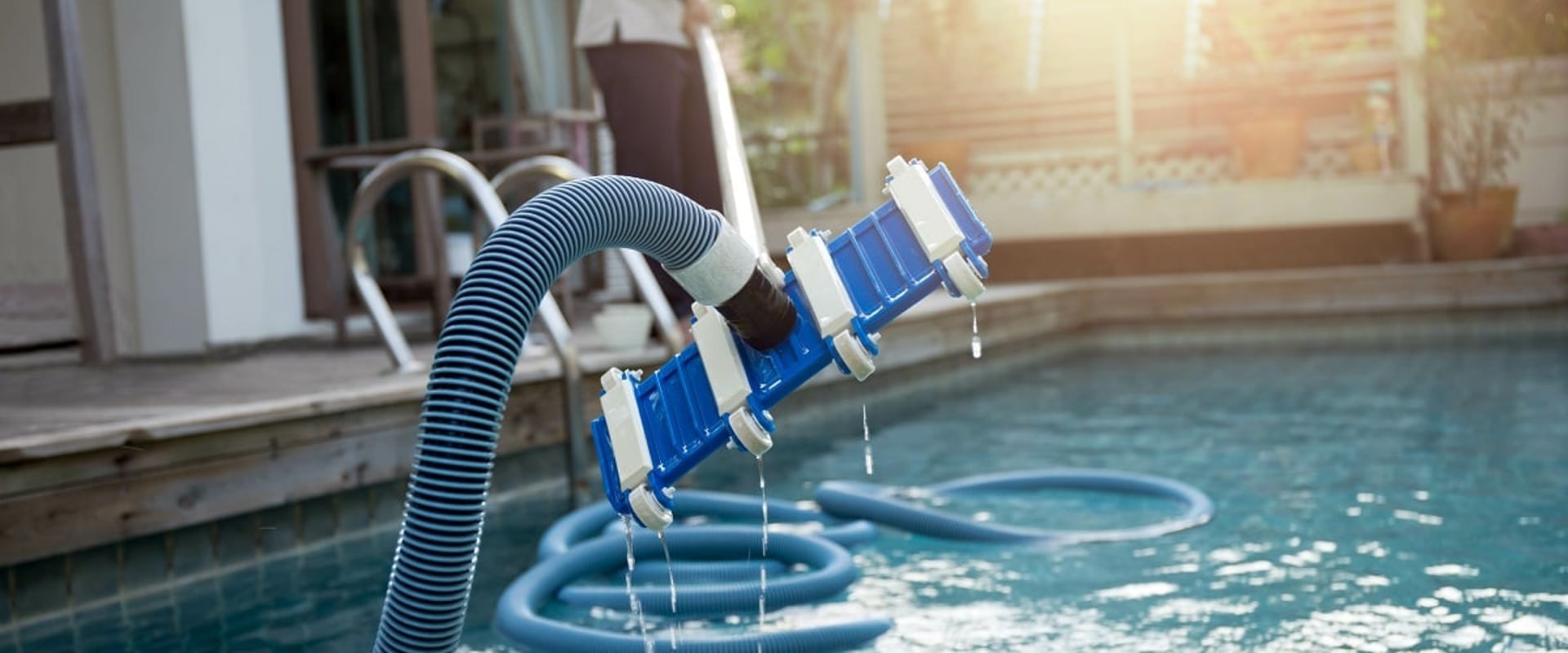
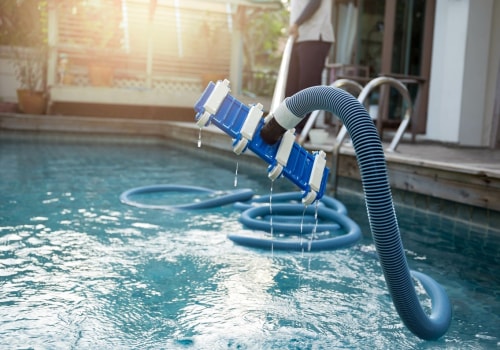
For any pool owner, understanding the role of pool vacuums is essential for maintaining a pristine swimming environment. A pool vacuum is a specialized device designed to remove dirt, debris, and contaminants from the pool's surfaces, ensuring that the water remains clear and inviting. These tools are not just luxuries; they are vital components of effective pool maintenance that can save time and effort while enhancing the overall health of your pool. There are several types of pool vacuums available on the market, each tailored to meet different cleaning needs and preferences. Manual vacuums require hands-on operation, allowing for precise cleaning in hard-to-reach areas.
Automatic cleaners, on the other hand, operate independently, using advanced technology to navigate the pool and remove debris without constant supervision. Robotic vacuums take this a step further by incorporating their own filtration systems, making them highly efficient and capable of tackling various types of waste. The importance of using a pool vacuum cannot be overstated. Regular vacuuming helps prevent the buildup of algae and bacteria, which can lead to cloudy water and potential health hazards. By investing in a quality vacuum, you not only enhance the aesthetic appeal of your pool but also contribute to its longevity.
A clean pool is not just about looks; it’s about creating a safe and enjoyable space for family and friends to gather. Understanding how these vacuums work and their various types will empower you as a pool owner to make informed decisions that will keep your aquatic oasis in top condition.
Types of Pool Vacuums
When it comes to maintaining a pristine pool, understanding the different types of pool cleaners is essential. Each type of vacuum offers unique features and benefits, catering to various cleaning needs and preferences. Below, we explore the three primary categories of pool vacuums: manual, automatic, and robotic.Manual Pool Vacuums
Manual pool vacuums are the traditional choice for many pool owners.These vacuums require physical effort to operate, as users must guide them across the pool floor and walls. Here are some key points to consider:
- Pros:
- Control: Users have complete control over the cleaning process, allowing them to focus on specific areas that may need extra attention.
- Cost-effective: Manual vacuums are generally less expensive than their automatic counterparts, making them a budget-friendly option.
- Versatility: They can be used in various types of pools, including above-ground and in-ground models.
- Cons:
- Labor-intensive: Cleaning the pool manually can be time-consuming and physically demanding.
- Inconsistent results: The effectiveness of cleaning depends on the user's diligence and technique.
Automatic Pool Vacuums
Automatic pool vacuums offer a more hands-off approach to cleaning. These devices operate independently, using the pool's filtration system or their own power source to navigate and clean the pool. Here’s what you need to know:- Pros:
- Convenience: Automatic vacuums save time and effort, as they can clean the pool without constant supervision.
- Thorough cleaning: Many models are designed to cover large areas efficiently, ensuring that debris is removed from all corners of the pool.
- Cons:
- Higher cost: Automatic vacuums tend to be more expensive than manual options.
- Maintenance: They may require more maintenance due to their mechanical components.
Robotic Pool Cleaners
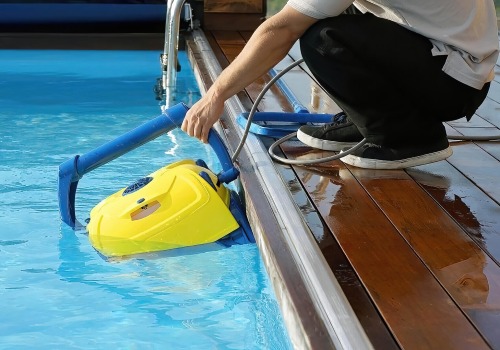
The latest innovation in pool cleaning technology is robotic pool cleaners.These advanced machines are equipped with their own filtration systems and motors, allowing them to operate independently of the pool's filtration system. Consider these factors:
- Pros:
- Efficiency: Robotic cleaners are highly efficient, often completing a thorough cleaning cycle in a fraction of the time it takes other types.
- Suction power: They typically have strong suction capabilities, effectively removing dirt and debris from both the floor and walls.
- User-friendly: Most models come with programmable settings, allowing users to customize cleaning schedules.
- Cons:
- Initial investment: The upfront cost can be significant compared to manual or automatic vacuums.
- Lifespan: Depending on usage and maintenance, robotic cleaners may have a shorter lifespan than traditional options.
How Pool Vacuums Work
Understanding how pool vacuums operate is essential for every pool owner who wants to maintain a pristine swimming environment. The mechanics behind these devices involve a combination of suction and filtration processes that work together to remove debris and contaminants from the pool. At the core of a pool vacuum's functionality is its ability to create suction. This is typically achieved through a motorized pump that draws water into the vacuum.As the water enters, it carries with it any dirt, leaves, or other particles that have settled on the pool floor. The suction power varies depending on the type of vacuum—manual, automatic, or robotic—but all share this fundamental principle.
The Suction Process
The suction process begins when the vacuum is activated. For manual vacuums, this often involves connecting a hose to the pool's skimmer or dedicated suction line. Automatic and robotic vacuums, on the other hand, are designed to navigate the pool autonomously.They use sensors and programmed algorithms to cover every inch of the pool surface efficiently. As water is sucked into the vacuum, it passes through a series of filters. These filters are crucial for trapping debris and preventing it from re-entering the pool. Depending on the model, these filters can be fine mesh bags or cartridge systems that can be easily cleaned or replaced.
The Filtration Process
Once the water and debris are inside the vacuum, they are directed into a filtration system. This system separates clean water from contaminants.The clean water is then returned to the pool, while the collected debris remains trapped in the filter. Regular maintenance of these filters is vital; if they become clogged, it can reduce suction power and overall cleaning efficiency. In addition to traditional filtration methods, some advanced models utilize dual filtration systems that combine both suction and pressure cleaning techniques. This allows them to tackle larger debris while still effectively filtering out smaller particles. Ultimately, understanding how pool vacuums work empowers pool owners to make informed decisions about their cleaning equipment. By recognizing the importance of both suction and filtration processes, you can ensure your pool remains clean and inviting all season long.
Benefits of Using a Pool Vacuum
Utilizing a pool vacuum offers a multitude of benefits that significantly enhance the overall experience of pool ownership.From maintaining water clarity to ensuring hygiene, these devices are essential for any pool owner looking to keep their aquatic oasis in pristine condition.
1.Enhanced Water Clarity
One of the primary advantages of using a pool vacuum is its ability to maintain crystal-clear water. By effectively removing debris such as leaves, dirt, and algae, pool vacuums prevent these contaminants from clouding the water. Regular vacuuming ensures that your pool remains inviting and visually appealing, making it more enjoyable for swimming and relaxation.
2.Improved Hygiene
Hygiene is paramount when it comes to pool maintenance. A clean pool not only looks better but also promotes a healthier swimming environment.
Pool vacuums eliminate bacteria and other harmful microorganisms that can thrive in stagnant debris. By regularly using a vacuum, you reduce the risk of waterborne illnesses, ensuring that your family and friends can swim safely.
3.Efficient Maintenance
Pool vacuums streamline the cleaning process, saving you time and effort. Instead of manually scrubbing the pool floor or skimming the surface, a vacuum automates much of this work. This efficiency allows you to spend more time enjoying your pool rather than maintaining it.
For busy pool owners, this is a significant advantage.
4.Versatility of Automatic Cleaners
Automatic pool cleaners take convenience to the next level. These devices operate independently, navigating the pool's surface and floor while collecting debris without requiring constant supervision. Many models are equipped with advanced features such as programmable cleaning schedules and sensors that detect obstacles, making them incredibly user-friendly.
5.Cost-Effectiveness
Investing in a quality pool vacuum can save you money in the long run. By keeping your pool clean and well-maintained, you reduce the need for costly repairs and chemical treatments caused by neglect or poor water quality.
Additionally, many automatic cleaners are designed to be energy-efficient, further lowering operational costs.
6.Environmental Benefits
Using a pool vacuum can also have positive environmental impacts. By efficiently removing debris before it decomposes in the water, you minimize chemical usage for algae control and other treatments. This not only benefits your pool but also contributes to a healthier ecosystem.
In summary, the benefits of using a pool vacuum extend far beyond mere aesthetics. From enhancing water clarity and hygiene to providing efficient maintenance solutions, these devices are indispensable tools for every pool owner committed to creating a safe and enjoyable swimming environment.
Choosing the Right Pool Vacuum for Your Needs
When it comes to maintaining a pristine pool, selecting the right pool vacuum is crucial.With various options available, understanding your specific needs can help you make an informed decision. Here are some key factors to consider when choosing a pool vacuum:
- Pool Type: The type of pool you have—whether it’s an in-ground or above-ground pool—will significantly influence your choice. In-ground pools often require more robust vacuums that can handle larger debris and navigate complex shapes, while above-ground pools may benefit from lighter, more portable models.
- Pool Size: The size of your pool is another critical factor. Larger pools may necessitate a vacuum with a more powerful motor and larger capacity to efficiently clean the entire area without requiring frequent emptying.
Conversely, smaller pools can be adequately serviced by compact models.
- Shape and Design: The shape of your pool can affect how well a vacuum performs. For instance, pools with many curves or steps may require a model designed for maneuverability, ensuring that every corner is reached and cleaned effectively.
- Debris Type: Consider the type of debris you typically encounter in your pool. If your area is prone to leaves and twigs, a vacuum with strong suction power and a large debris bag will be beneficial. For finer particles like sand or silt, look for models equipped with advanced filtration systems.
- Cleaning Frequency: How often you plan to clean your pool can also guide your choice.
If you prefer minimal maintenance, investing in an automatic or robotic vacuum may be worthwhile. These models can operate independently and are programmed to clean at scheduled intervals.
- Budget: Finally, set a budget that aligns with your needs. While it’s tempting to opt for the cheapest option, remember that investing in a quality vacuum can save you time and money in the long run by reducing wear on your pool’s filtration system and ensuring cleaner water.
Maintenance Tips for Pool Vacuums
Maintaining your pool vacuum is crucial for ensuring its longevity and efficiency.Regular upkeep not only enhances the performance of your vacuum but also saves you money in the long run by preventing costly repairs or replacements. Here are some essential maintenance tips to keep your pool vacuum in top shape:
- Regular Cleaning: After each use, take a few minutes to rinse off your vacuum. Remove any debris, such as leaves or twigs, that may have accumulated on the unit. This simple step prevents clogs and ensures optimal suction during future cleanings.
- Inspect Hoses and Cables: Check the hoses and cables for any signs of wear or damage.
Cracks or kinks can hinder performance and lead to leaks. If you notice any issues, replace the damaged parts promptly to avoid further complications.
- Filter Maintenance: The filter is a vital component of your pool vacuum. Depending on the model, you may need to clean or replace it regularly. A clogged filter can reduce suction power and efficiency, so make it a habit to check it weekly.
- Check for Blockages: Occasionally, debris can get stuck in the vacuum's brushes or wheels.
Inspect these areas regularly and remove any blockages to ensure smooth operation.
- Store Properly: When not in use, store your pool vacuum in a cool, dry place away from direct sunlight. This helps prevent damage from UV rays and extends the life of the materials used in the vacuum.
- Follow Manufacturer Guidelines: Always refer to the user manual for specific maintenance instructions tailored to your model. Each vacuum may have unique requirements that are essential for its upkeep.
Common Issues with Pool Vacuums and Solutions
Pool vacuums are essential for maintaining a clean swimming environment, but like any mechanical device, they can encounter issues.Understanding these common problems and their solutions can save you time and frustration.
- Clogged Filters: One of the most frequent issues with pool vacuums is clogged filters. When the filter becomes blocked with debris, it can significantly reduce the vacuum's efficiency. To resolve this, regularly check and clean the filter according to the manufacturer's instructions. If the filter is damaged, consider replacing it to ensure optimal performance.
- Loss of Suction: If your vacuum is not picking up debris effectively, it may be due to a loss of suction.
This can happen if there are leaks in the hoses or connections. Inspect all hoses for cracks or holes and replace any damaged sections. Additionally, ensure that all connections are secure and that the vacuum is properly attached to the pool's skimmer or dedicated suction line.
- Stuck Wheels or Brushes: Automatic pool vacuums rely on wheels and brushes to navigate and clean surfaces. If these components become stuck due to debris buildup, the vacuum may not move as intended.
Regularly inspect and clean the wheels and brushes, removing any tangled hair or debris that could hinder movement.
- Power Issues: For robotic vacuums, power issues can arise if the unit is not charging properly. Check the power source and ensure that the charging station is functioning correctly. If the vacuum does not turn on after charging, consult the user manual for troubleshooting steps or consider contacting customer support.
- Navigation Problems: Sometimes, automatic vacuums may struggle with navigation, failing to cover the entire pool area. This could be due to an incorrect setting or a malfunctioning sensor.
Refer to your vacuum's manual for guidance on adjusting settings or recalibrating sensors to improve navigation.
FAQs About Pool Vacuums
When it comes to maintaining a clean and inviting pool, many pool owners have questions about pool vacuums. Below are some frequently asked questions that can help clarify common concerns and provide valuable insights into the world of pool cleaners.What is the difference between manual and automatic pool vacuums?
Manual pool vacuums require you to physically guide them around the pool, making them ideal for spot cleaning or addressing specific areas with heavy debris. In contrast, automatic pool vacuums operate independently, navigating the pool's surface and floor to remove dirt and debris without your intervention.This makes them a convenient option for regular maintenance.
How often should I vacuum my pool?
The frequency of vacuuming depends on several factors, including the size of your pool, the amount of debris it collects, and your local environment. Generally, it's recommended to vacuum your pool at least once a week. However, during peak seasons or after storms, you may need to increase this frequency to keep your water clear and clean.Can I use a pool vacuum on an above-ground pool?
Yes, most pool vacuums are designed to work with both in-ground and above-ground pools. However, it's essential to choose a vacuum specifically suited for your type of pool.Some models may be more effective on certain surfaces or shapes.
What should I do if my vacuum is not picking up debris?
- Check for clogs: Inspect the hose and filter for any blockages that may be hindering suction.
- Inspect the connections: Ensure that all connections are secure and that there are no leaks in the hose.
- Adjust settings: If using an automatic vacuum, check the settings to ensure it is configured correctly for your pool type.
How do I maintain my pool vacuum?
Regular maintenance is crucial for keeping your pool cleaner functioning optimally. Here are some tips:- Clean the filter: Rinse or replace the filter as needed to ensure proper suction.
- Inspect hoses: Look for cracks or wear in hoses and replace them if necessary.
- Store properly: When not in use, store your vacuum in a cool, dry place to prevent damage from UV rays or moisture.
Conclusion: The Importance of Investing in a Quality Pool Vacuum
In conclusion, investing in a quality pool vacuum is not just a matter of convenience; it is a crucial step towards ensuring the longevity and cleanliness of your swimming pool. Throughout this guide, we have explored the various types of pool cleaners, their functionalities, and the significant role they play in maintaining a pristine aquatic environment. First and foremost, a reliable pool vacuum effectively removes debris, dirt, and contaminants that can accumulate over time.This not only enhances the aesthetic appeal of your pool but also contributes to the overall health of the water. Clean water is essential for safe swimming, as it minimizes the risk of algae growth and other harmful bacteria that can thrive in unkempt conditions. Moreover, regular use of a pool vacuum can save you money in the long run. By preventing clogs in your filtration system and reducing the need for chemical treatments, a good vacuum helps maintain optimal water chemistry. This proactive approach to pool maintenance can extend the life of your equipment and reduce costly repairs. When selecting a pool vacuum, consider factors such as your pool's size, shape, and type.
Whether you opt for a manual vacuum or an automated robotic cleaner, ensure that it meets your specific needs. Investing in a high-quality model may require a higher upfront cost, but the benefits it provides—efficiency, durability, and superior cleaning capabilities—far outweigh this initial investment. Ultimately, a quality pool vacuum serves as an indispensable tool for every pool owner. It not only simplifies the cleaning process but also enhances your overall swimming experience. By prioritizing cleanliness and maintenance through effective pool cleaners, you create an inviting space for family and friends to enjoy throughout the summer months and beyond.