Clear guidance for cleaner pools.
Expert Tips for Extending the Lifespan of Your Automatic Pool Cleaner
Discover expert tips to extend the lifespan of your automatic pool cleaner and keep your pool sparkling clean with minimal effort.
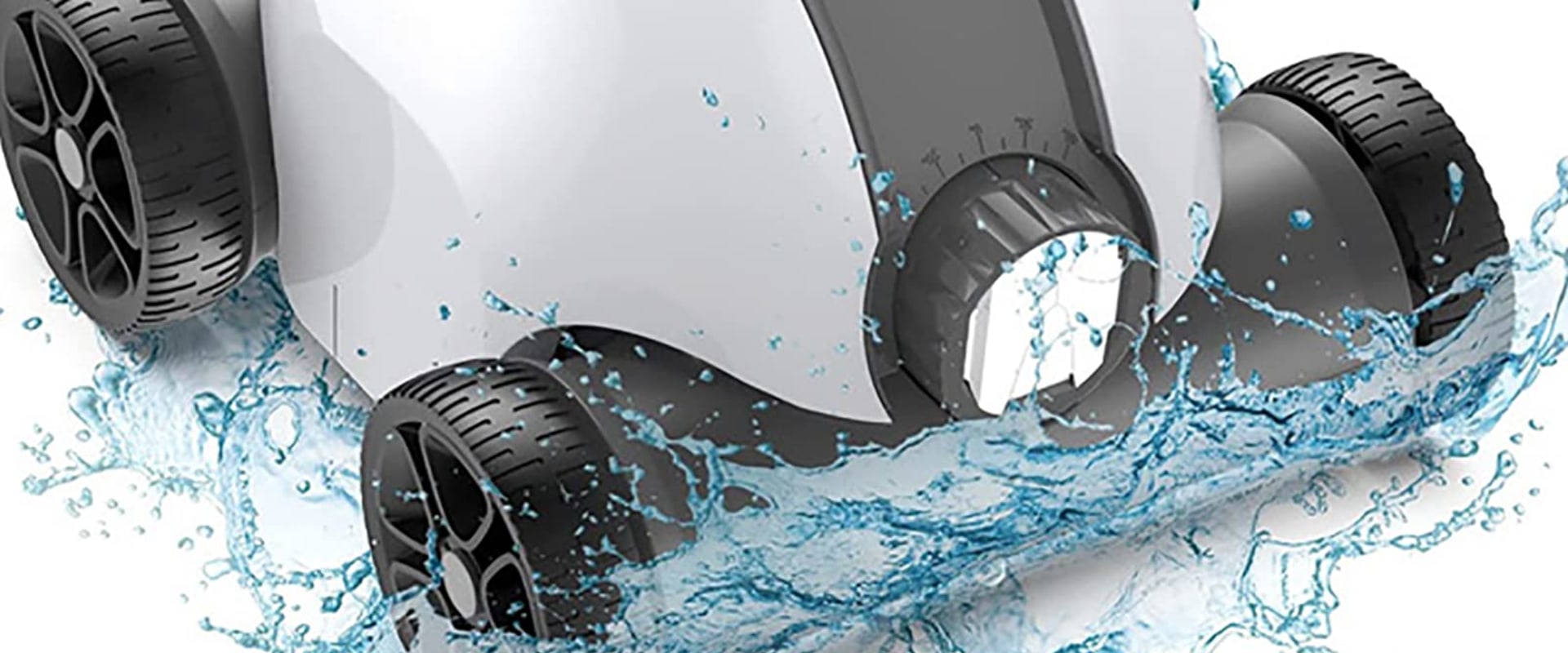
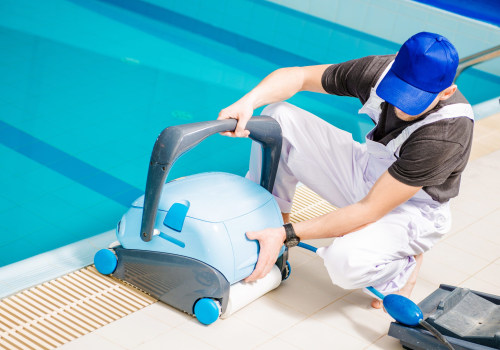
Automatic pool cleaners are essential tools for maintaining a clean and inviting swimming pool. These innovative devices, often referred to as pool robots, are designed to autonomously navigate the pool's surface and floor, effectively removing dirt, debris, and algae without requiring constant human intervention. By investing in an automatic pool cleaner, pool owners can save significant time and effort, allowing them to enjoy their pools rather than spend hours cleaning them. There are several types of automatic pool cleaners available on the market, each with its unique features and benefits. The three primary categories include suction-side cleaners , pressure-side cleaners , and robotic cleaners.
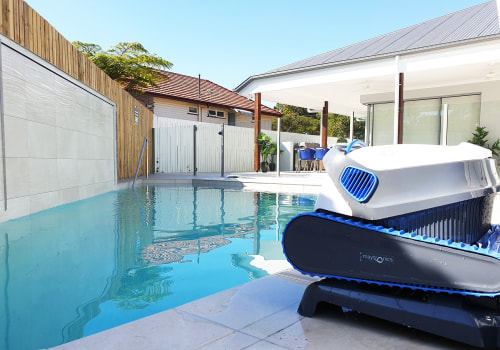
Suction-side cleaners utilize the pool's existing filtration system to create suction that pulls debris into the cleaner. Pressure-side cleaners, on the other hand, use water pressure from the pool's return jets to propel themselves and collect debris in a separate bag. Lastly, robotic cleaners operate independently of the pool's filtration system, using their own motors and filters to clean efficiently. The benefits of using automatic pool cleaners extend beyond mere convenience. These devices can significantly enhance the overall health of your pool by ensuring that dirt and contaminants are regularly removed.
This not only helps maintain clear water but also reduces the workload on your pool's filtration system, potentially extending its lifespan as well. Additionally, many modern automatic pool cleaners come equipped with advanced features such as programmable cleaning schedules and smart navigation technology, allowing them to cover every inch of your pool with precision. Understanding the various types of automatic pool cleaners and their benefits is crucial for any pool owner looking to make an informed decision about their maintenance options. By choosing the right cleaner for your specific needs, you can ensure that your investment pays off in both time saved and a sparkling clean swimming environment.
Average Lifespan of Automatic Pool Cleaners
Understanding the average lifespan of automatic pool cleaners is crucial for any pool owner looking to maximize their investment. Typically, these devices can last anywhere from 4 to 7 years, depending on various factors.Knowing what influences their longevity can help you make informed decisions about maintenance and usage. One of the primary factors affecting the lifespan of your pool cleaner is the frequency of use. If you operate your cleaner regularly, it will naturally experience more wear and tear compared to one that is used infrequently. For instance, a cleaner that runs several times a week may require more frequent part replacements than one that is only used occasionally. Another significant factor is the type of pool cleaner you own. There are various models available, including suction-side, pressure-side, and robotic cleaners, each with its own durability and maintenance needs.
Generally, robotic cleaners tend to have a longer lifespan due to their advanced technology and efficient cleaning capabilities.
Maintenance practices
also play a vital role in extending the life of your automatic pool cleaner. Regularly checking and cleaning components such as:
- Filters: Clogged filters can strain the motor and reduce efficiency.
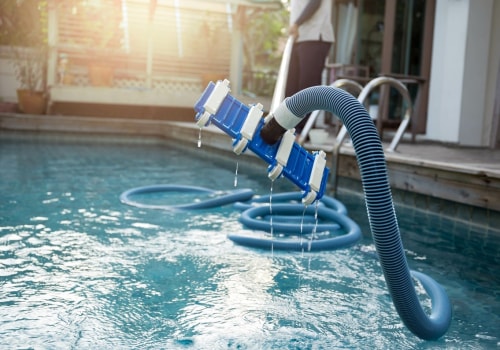
- Hoses: Inspect for leaks or kinks that could hinder performance.
- Wheels and Brushes: Worn-out parts can affect cleaning ability and lead to further damage.
By taking proactive steps in care and storage, you can ensure that your investment continues to serve you well for years to come.
Essential Maintenance Tips for Pool Cleaners
Maintaining your automatic pool cleaner is crucial for ensuring its longevity and optimal performance. Regular upkeep not only extends the lifespan of the device but also enhances its efficiency in keeping your pool clean. Here are some essential maintenance tips to help you care for your pool cleaner effectively.- Regular Cleaning Schedule: Establish a routine cleaning schedule for your pool cleaner. Ideally, you should clean it after every use, especially if it has been exposed to heavy debris or leaves.
This prevents buildup that can hinder its performance.
- Inspect and Clean the Filters: The filters are vital components that trap dirt and debris. Check them regularly and clean or replace them as needed. A clogged filter can reduce suction power and efficiency, leading to subpar cleaning results.
- Examine the Hoses: Inspect the hoses for any signs of wear, cracks, or kinks. These issues can impede water flow and affect the cleaner's ability to navigate the pool effectively.
Clean the hoses with a mild soap solution and rinse thoroughly to remove any debris.
- Check the Brushes and Wheels: The brushes and wheels are essential for scrubbing surfaces and moving around the pool. Inspect them for wear and tear; replace them if they show significant signs of damage. Keeping these parts in good condition ensures thorough cleaning.
- Avoid Leaving in Water: While it may be convenient to leave your pool cleaner in the water, prolonged exposure can lead to deterioration of its materials. When not in use, store it in a cool, dry place away from direct sunlight and harsh chemicals.
- Follow Manufacturer Guidelines: Always refer to the manufacturer’s manual for specific maintenance instructions tailored to your model.
This includes recommended cleaning techniques, replacement schedules, and troubleshooting tips.
Common Issues and Troubleshooting
Automatic pool cleaners are designed to make pool maintenance easier, but like any mechanical device, they can encounter issues over time. Understanding common problems and how to troubleshoot them can save you time and money, ensuring your pool cleaner operates efficiently for years to come.Common Problems with Pool Cleaners
- Inconsistent Cleaning Performance: If your pool cleaner is not picking up debris effectively, it may be due to clogged filters or hoses. Regularly check and clean these components to maintain optimal performance.
- Stalling or Stopping: If the cleaner starts but then stops moving, this could indicate a problem with the motor or a jammed wheel.
Inspect the wheels for obstructions and ensure the motor is functioning properly.
- Floating or Not Submerging: A cleaner that floats instead of staying submerged may have a malfunctioning buoyancy control system. Check for water leaks in the cleaner's body that could affect its weight distribution.
- Unusual Noises: Strange sounds during operation can signal mechanical issues. Listen for grinding or clicking noises, which may indicate worn-out parts that need replacement.
Troubleshooting Tips
If you encounter any of the above issues, follow these troubleshooting steps:- Inspect the Filters: Remove and clean the filters regularly to prevent clogs that can hinder performance.
- Check Hoses for Kinks: Ensure that hoses are free from kinks or blockages that could restrict water flow.
- Examine Wheels and Brushes: Look for wear and tear on wheels and brushes. Replace them if they appear damaged or worn out.
- Test the Power Supply: Ensure that the power supply is functioning correctly.
Check connections and replace any faulty cables.
Signs of a Failing Pool Cleaner
Recognizing early signs of a failing pool cleaner can help you address issues before they escalate. Watch for:- Poor Cleaning Results: If your cleaner is leaving debris behind consistently, it may be time for maintenance or replacement.
- Frequent Breakdowns: If your cleaner requires constant repairs, consider whether investing in a new model might be more cost-effective in the long run.
- Age of the Cleaner: Most automatic pool cleaners have a lifespan of 4 to 7 years. If yours is approaching this age and showing signs of wear, it may be time to upgrade.
Storage and Usage Best Practices
To maximize the lifespan and efficiency of your automatic pool cleaner, adhering to proper storage and usage practices is essential. These machines are designed to make pool maintenance easier, but neglecting their care can lead to premature wear and tear.Best Practices for Using Pool Cleaners
When operating your pool cleaner, consider the following best practices:- Regularly Check the Filter: Before each use, inspect the filter for debris buildup.
A clogged filter can hinder performance and lead to motor strain.
- Avoid Overuse: While it may be tempting to leave your cleaner running for extended periods, doing so can cause unnecessary wear. Follow the manufacturer's recommendations for cleaning cycles.
- Monitor Pool Conditions: If your pool has a lot of leaves or debris, consider running the cleaner more frequently but for shorter durations. This approach helps prevent overloading the cleaner.
- Inspect for Damage: Regularly check the wheels, brushes, and hoses for signs of wear. Address any issues immediately to prevent further damage.
Proper Storage Techniques
How you store your automatic pool cleaner can significantly impact its longevity.Here are some effective storage tips:
- Dry Before Storing: Always ensure that your cleaner is completely dry before storing it. Moisture can lead to mold growth and corrosion of electrical components.
- Avoid Direct Sunlight: Store your pool cleaner in a shaded area or indoors. Prolonged exposure to sunlight can degrade plastic components and hoses.
- Use a Protective Cover: If you must store your cleaner outdoors, consider using a protective cover to shield it from environmental elements.
- Keep Away from Chemicals: Store your cleaner away from pool chemicals, as these can cause deterioration of materials over time.
Upgrading Your Pool Cleaner: When and Why?
Upgrading your automatic pool cleaner can significantly enhance your pool maintenance experience.Knowing when to make this investment is crucial for ensuring that your pool remains clean and inviting. Here are some key indicators that it might be time to consider an upgrade:
- Age of Your Current Cleaner: If your automatic pool cleaner is approaching the 5-year mark, it may be time to evaluate its performance. While some models can last longer with proper care, many begin to show signs of wear and tear after several years.
- Decreased Cleaning Efficiency: If you notice that your cleaner is not picking up debris as effectively as it once did, or if it frequently gets stuck, these are signs that it may be time for a replacement. Newer models often feature advanced navigation systems that allow them to cover more ground efficiently.
- Increased Maintenance Needs: If you find yourself spending more time repairing or maintaining your current cleaner than actually using it, upgrading could save you both time and money in the long run.
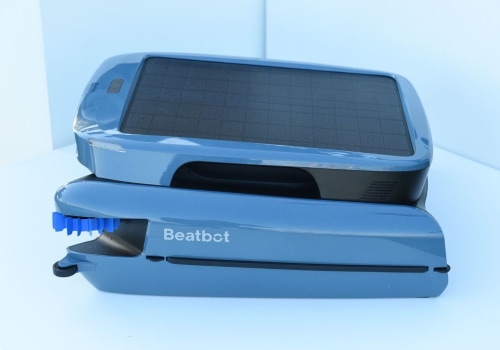
- Enhanced Features: Modern pool cleaners come equipped with cutting-edge technology such as smart navigation, which allows them to map out your pool and clean more effectively.
Features like remote control operation and programmable cleaning schedules can also add convenience.
- Energy Efficiency: Newer models are often designed to be more energy-efficient, which can lead to lower electricity bills. Many advanced cleaners use less power while providing superior cleaning performance.
- Improved Durability: With advancements in materials and design, newer pool cleaners tend to be more durable and resistant to wear and tear, meaning they can withstand the rigors of regular use better than older models.
Expert Recommendations for Choosing a Pool Cleaner
Choosing the right automatic pool cleaner can significantly impact the efficiency of your pool maintenance routine.With a variety of models available, it’s essential to consider several factors to ensure you select the best option for your specific needs.
1.Assess Your Pool Size and Shape
The first step in selecting a pool cleaner is to evaluate the size and shape of your pool. Automatic pool cleaners are designed for different pool dimensions, and using one that is not suited for your pool can lead to inadequate cleaning. For instance, if you have a large in-ground pool, you may want to consider a cleaner with advanced navigation technology that can efficiently cover more ground.2.Understand the Type of Debris
Different pool cleaners are optimized for various types of debris. If your pool is surrounded by trees, you might need a cleaner that can handle larger leaves and twigs.Conversely, if your primary concern is fine dirt and algae, a model with strong suction power and fine filtration capabilities would be more appropriate.
Understanding the common debris in your area
will help you choose a cleaner that meets your specific requirements.3.Consider the Cleaner’s Features
Modern automatic pool cleaners come equipped with various features that enhance their performance:- Smart Navigation: Look for models with intelligent navigation systems that allow them to map out your pool and clean efficiently without missing spots.
- Energy Efficiency: Opt for energy-efficient models that consume less power while delivering optimal cleaning results.
- Filter Type: Choose between bag filters or cartridge filters based on ease of maintenance and the type of debris you typically encounter.
4.Read Expert Reviews
Before making a purchase, it’s wise to consult expert reviews on various pool cleaners. These reviews often provide insights into performance, durability, and user satisfaction. Look for feedback on how well the cleaner performs in real-world conditions, as this can help you gauge its effectiveness beyond manufacturer claims.5.Budget Considerations
Your budget will also play a crucial role in your decision-making process.While it may be tempting to opt for the cheapest option available, investing in a higher-quality cleaner can save you money in the long run through reduced maintenance costs and improved longevity. By taking these factors into account, you can make an informed decision when choosing an automatic pool cleaner that will keep your pool sparkling clean while extending its lifespan.
Frequently Asked Questions About Pool Cleaners
When it comes to maintaining a clean and inviting pool, many pool owners have questions about automatic pool cleaners. Below are some of the most frequently asked questions that can help clarify common concerns and provide valuable insights.1.How do automatic pool cleaners work?
Automatic pool cleaners operate using a combination of suction, pressure, or robotic technology to remove debris from the pool floor and walls. They are designed to navigate the pool's surface, using various mechanisms to collect dirt, leaves, and other contaminants. Depending on the model, they may use brushes to scrub surfaces or filters to trap fine particles.2.How often should I run my automatic pool cleaner?
The frequency of use for your pool cleaner largely depends on your pool's environment.For pools surrounded by trees or heavy foliage, running the cleaner 2-3 times a week is advisable. In contrast, pools with minimal debris may only require cleaning once a week. Regular use not only keeps your pool clean but also reduces the workload on your filtration system.
3.Can I leave my automatic pool cleaner in the pool?
While it may be convenient to leave your cleaner in the water, it is generally recommended to remove it after each use. Prolonged exposure to chlorine and other chemicals can degrade the materials over time.Additionally, leaving it in the water can lead to unnecessary wear and tear on its components.
4.What maintenance does my automatic pool cleaner need?
To ensure optimal performance and longevity of your automatic pool cleaner, regular maintenance is essential. Here are some key maintenance tips:- Clean the filters: Regularly check and clean the filters to prevent clogs and maintain suction power.
- Inspect hoses: Look for cracks or leaks in the hoses that could affect performance.
- Check brushes: Ensure that brushes are free from debris and in good condition for effective scrubbing.
- Store properly: When not in use, store your cleaner in a cool, dry place away from direct sunlight and chemicals.
5.What should I do if my automatic pool cleaner stops working?
If your cleaner suddenly stops functioning, first check for any visible issues such as tangled hoses or blockages in the filter. If everything appears normal but it still won’t operate, consult the manufacturer’s troubleshooting guide or consider contacting a professional for repairs. By addressing these common questions about pool cleaners, you can enhance your understanding of their operation and maintenance, ultimately leading to a cleaner and more enjoyable swimming experience.Conclusion: Maximizing Your Investment in Pool Cleaners
In conclusion, extending the lifespan of your automatic pool cleaner is not just about making a one-time investment; it’s about maximizing that investment through diligent care and maintenance. By following the expert tips outlined in this article, you can ensure that your pool cleaner operates efficiently for years to come. First and foremost, regular maintenance is crucial.This includes cleaning the wheels , brushes , and filters to prevent debris buildup that can hinder performance. Additionally, checking the hoses for any signs of wear or damage will help maintain optimal functionality. A well-maintained cleaner not only lasts longer but also performs better, ensuring your pool remains sparkling clean. Another important aspect is proper storage. When your pool cleaner is not in use, store it in a cool, dry place away from harsh chemicals and direct sunlight.
This simple step can significantly reduce the risk of material deterioration and prolong the life of your device. Moreover, be mindful of how often you use your cleaner. While these machines are designed for regular use, overworking them can lead to premature wear and tear. It’s advisable to follow the manufacturer’s guidelines regarding usage frequency to strike a balance between cleanliness and longevity. Lastly, keep an eye on performance indicators. If you notice that your cleaner is struggling to navigate or failing to pick up debris effectively, it may be time for a thorough inspection or even replacement of certain parts.
Recognizing these signs early can save you from costly repairs or replacements down the line. By implementing these strategies, you not only enhance the lifespan of your automatic pool cleaner, but you also ensure that your investment continues to provide value over time. A well-cared-for pool cleaner will keep your swimming area pristine, allowing you to enjoy your pool without the hassle of constant maintenance.