Clear guidance for cleaner pools.
Understanding the Lifespan of Robotic Pool Vacuums: Expert Insights
Discover the lifespan of robotic pool vacuums and expert tips to maximize their longevity for a cleaner pool experience.
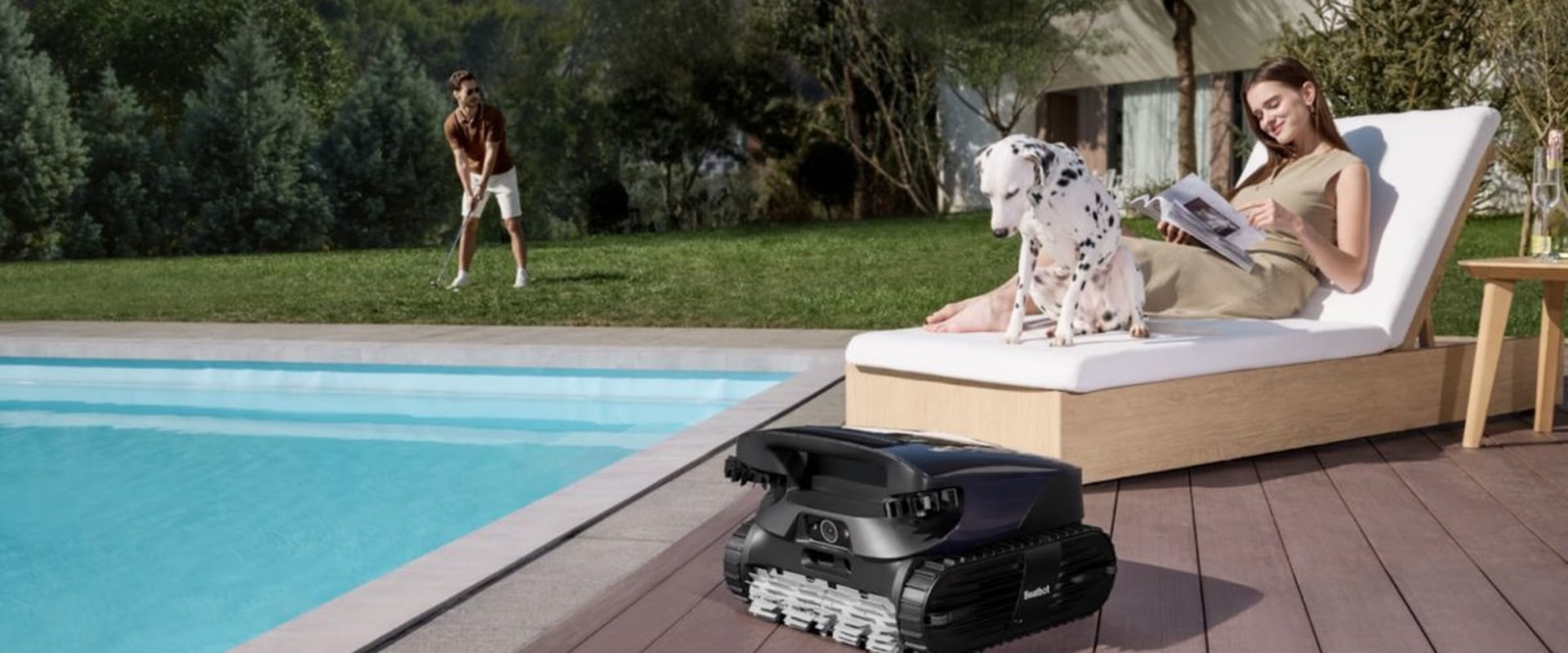
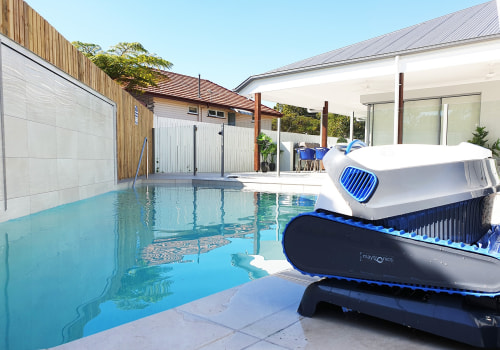
In recent years, the landscape of pool maintenance has undergone a significant transformation, largely due to the advent of robotic pool cleaners. These innovative machines have quickly gained traction among pool owners, thanks to their ability to automate the cleaning process and deliver exceptional results. Unlike traditional cleaning methods that often require manual labor and time-consuming effort, robotic vacuums offer a hands-free solution that not only saves time but also enhances the overall cleanliness of your pool. The growing popularity of robotic pool vacuums can be attributed to their efficiency and effectiveness. Equipped with advanced technology, these cleaners are designed to navigate the contours of your pool, ensuring that every nook and cranny is thoroughly cleaned.
They utilize powerful suction and scrubbing mechanisms to remove dirt, debris, and algae, leaving your pool sparkling clean with minimal effort on your part. This level of efficiency is particularly appealing for busy homeowners who want to enjoy their pools without the hassle of constant maintenance. As we delve deeper into the topic of robotic pool cleaners, it’s essential to consider their lifespan. Understanding how long these machines typically last can help you make informed decisions about your investment. While many factors influence the longevity of a robotic vacuum, including brand quality and maintenance practices, most models are designed to provide reliable service for several years.
In this article, we will explore not only the expected lifespan of these devices but also the benefits they offer in terms of convenience and performance. Ultimately, investing in a robotic pool cleaner can significantly enhance your pool experience. By automating the cleaning process, you can spend more time enjoying your pool rather than worrying about its upkeep. As we continue our discussion, we will uncover valuable insights into how to maximize the lifespan of your robotic cleaner while reaping all the benefits it has to offer.
What Affects the Lifespan of Robotic Pool Vacuums?
The lifespan of robotic pool vacuums is influenced by a variety of factors that potential buyers should consider before making a purchase. Understanding these elements can help you make an informed decision and ensure that your investment lasts as long as possible.Brand and Model
One of the most significant factors affecting the longevity of a robotic pool cleaner is the brand and model.Different manufacturers have varying standards for quality and durability. High-end brands often use superior materials and advanced technology, which can lead to a longer lifespan. For instance, premium models may feature reinforced components that withstand wear and tear better than their budget counterparts. Researching customer reviews and expert opinions can provide insights into which brands consistently deliver reliable performance.
Maintenance Practices
Regular maintenance is crucial for extending the life of your robotic pool vacuum.Just like any mechanical device, these cleaners require care to function optimally. Here are some essential maintenance practices:
- Cleaning the Filters: Regularly check and clean the filters to prevent clogs that can strain the motor.
- Inspecting Brushes and Wheels: Over time, brushes and wheels can wear down. Replacing these parts as needed will help maintain cleaning efficiency.
- Storing Properly: When not in use, store your cleaner in a cool, dry place away from direct sunlight and harsh chemicals to prevent material degradation.
- Following Manufacturer Guidelines: Adhering to the manufacturer's maintenance schedule can help identify potential issues before they become significant problems.
Usage Frequency
The frequency with which you use your robotic pool vacuum also plays a vital role in its lifespan. A cleaner that operates daily may experience more wear than one used weekly or bi-weekly.Additionally, if your pool is located in an area with heavy debris—such as leaves or dirt—your vacuum will need to work harder, potentially shortening its lifespan. Balancing usage with the cleaner's capabilities is essential; overworking it can lead to premature failure. In summary, understanding the factors that affect the lifespan of robotic pool vacuums—such as brand reputation, maintenance practices, and usage frequency—can significantly impact your experience as a pool owner. By investing time in proper care and choosing a reputable model, you can enjoy a cleaner pool for many years to come.
Average Lifespan of Different Types of Pool Cleaners
When considering the lifespan of different pool cleaners, it’s essential to understand that various types of cleaners come with their own unique characteristics and durability. The three primary categories of pool cleaners are robotic, suction, and pressure cleaners, each offering distinct advantages and disadvantages.Robotic Pool Cleaners
Robotic pool cleaners are known for their efficiency and advanced technology.On average, these machines can last between 5 to 7 years with proper maintenance. Their lifespan can be influenced by factors such as:
- Frequency of Use: Regular use may lead to quicker wear and tear.
- Maintenance: Routine cleaning and part replacements can significantly extend their life.
- Quality of Build: Higher-end models often feature more durable materials.
Suction Pool Cleaners
Suction pool cleaners operate by using the pool's existing filtration system to remove debris. Their average lifespan ranges from 5 to 8 years. Factors affecting their longevity include:- Filter Maintenance: Keeping the filter clean is crucial for performance.
- Pump Power: A strong pump can enhance the cleaner's efficiency and lifespan.
- Debris Type: Heavy debris can cause more wear on the cleaner.
Pressure Pool Cleaners
Pressure cleaners utilize a separate booster pump to propel water through the cleaner, making them effective for larger debris.Their lifespan typically falls between 5 to 10 years. Key factors influencing their durability include:
- Pump Maintenance: Regular checks on the booster pump can prevent issues.
- Hose Quality: High-quality hoses can withstand wear better than cheaper alternatives.
- Environmental Conditions: Exposure to harsh chemicals or extreme weather can shorten lifespan.
Maintenance Tips to Extend Your Robotic Pool Vacuum's Life
To ensure that your robotic pool vacuum operates efficiently and lasts as long as possible, regular maintenance is essential. Here are some practical tips to help you maintain your pool cleaner and prolong its lifespan:- Regular Cleaning: After each use, rinse your robotic pool vacuum with fresh water to remove debris, dirt, and chemicals.
Pay special attention to the filters, brushes, and wheels. A clean machine is a more efficient machine.
- Inspect Components: Periodically check the condition of the brushes and wheels. Look for signs of wear and tear, such as fraying or cracking. Replacing these parts when necessary can prevent further damage to the vacuum.
- Filter Maintenance: The filter is a crucial component of your robotic pool cleaner.
Clean or replace it according to the manufacturer's recommendations. A clogged filter can reduce suction power and efficiency.
- Avoid Overuse: While it may be tempting to run your robotic vacuum daily, consider the frequency of use based on your pool's needs. Overusing the cleaner can lead to faster wear on its components.
- Store Properly: When not in use, store your robotic pool vacuum in a cool, dry place away from direct sunlight and harsh chemicals. This will help prevent damage to its materials and prolong its life.
- Follow Manufacturer Guidelines: Always refer to the user manual for specific maintenance instructions tailored to your model.
Each robotic pool cleaner may have unique requirements that are important for optimal performance.
- Check for Software Updates: Some advanced models come with software that can be updated. Keeping your vacuum's software current can enhance its performance and efficiency.
Common Issues and Repairs for Robotic Pool Cleaners
Robotic pool cleaners are designed to make pool maintenance easier, but like any mechanical device, they can encounter issues over time. Understanding the common problems associated with these pool vacuums and knowing how to troubleshoot them can save you time and money.Here are some frequent issues and their solutions:
- Cleaner Not Moving : One of the most common problems is when the robotic cleaner fails to move. This could be due to a jammed wheel or a tangled cord. Check for any debris caught in the wheels and ensure that the power cord is not tangled or damaged.
- Poor Cleaning Performance : If your cleaner is not picking up debris effectively, it may be time to inspect the filters and brushes. Clogged filters can significantly reduce suction power.
Clean or replace the filters as needed, and check the brushes for wear and tear.
- Power Issues : If your robotic pool vacuum is not turning on, first check the power source. Ensure that it is properly plugged in and that there are no blown fuses. If the power supply seems fine, the issue may lie within the internal components, which may require professional repair.
- Stuck in One Spot : Sometimes, a robotic cleaner may get stuck in one area of the pool. This can happen if it encounters an obstacle or if its navigation system is malfunctioning.
To resolve this, manually reposition the cleaner and check for any obstructions in its path.
- Water Leakage : If you notice water leaking from your robotic cleaner, it could indicate a seal failure or damage to the housing. Inspect for cracks or worn seals and replace them as necessary to prevent further damage.
- Routine Cleaning : After each use, rinse off your cleaner to remove dirt and debris. This will help maintain its performance.
- Inspect Components Regularly : Check wheels, brushes, and filters frequently for signs of wear.
Replacing worn parts promptly can extend the life of your cleaner.
- Follow Manufacturer Guidelines : Always adhere to the maintenance schedule provided by the manufacturer to ensure optimal performance.
Choosing the Right Robotic Pool Cleaner for Longevity
When it comes to selecting a robotic pool cleaner that will stand the test of time, there are several critical factors to consider. The right choice can significantly enhance the longevity and efficiency of your pool maintenance routine. Here are some essential features and considerations to keep in mind:- Build Quality: Look for models constructed with durable materials that can withstand exposure to pool chemicals and varying weather conditions.
High-quality plastics and corrosion-resistant components are indicators of a robust design.
- Motor Power: A powerful motor is crucial for effective cleaning. It ensures that the cleaner can navigate through debris and obstacles without straining, which can lead to premature wear and tear.
- Filter System: Opt for a robotic cleaner with a multi-layer filtration system. This feature not only captures fine debris but also helps maintain water clarity, reducing the need for additional filtration systems.
- Smart Navigation: Advanced navigation technology allows the cleaner to map your pool efficiently, ensuring comprehensive coverage. Models equipped with smart sensors can avoid obstacles and adapt to different pool shapes, enhancing their cleaning performance.
- Ease of Maintenance: Choose a model that is easy to disassemble for cleaning and part replacement.
Regular maintenance is vital for longevity, so a user-friendly design will encourage you to keep up with necessary upkeep.
- Warranty and Support: A solid warranty indicates the manufacturer’s confidence in their product. Look for models that offer at least a two-year warranty, along with accessible customer support for troubleshooting and repairs.
By prioritizing quality and functionality, you can ensure that your investment pays off in both performance and longevity.
Environmental Factors Impacting Pool Cleaner Lifespan
When considering the longevity of robotic pool vacuums, it is essential to recognize the significant role that environmental factors play. These factors can greatly influence not only the performance of your pool cleaners but also their overall lifespan. Understanding how elements such as water quality and climate affect these machines can help you make informed decisions about maintenance and usage.Water Quality and Its Impact
The quality of the water in your pool is one of the most critical factors affecting the lifespan of your robotic pool cleaner. Poor water quality can lead to a buildup of debris, algae, and other contaminants that can strain the vacuum's components.Here are some key aspects to consider:
- pH Levels: Maintaining balanced pH levels is crucial. Water that is too acidic or too alkaline can corrode the materials of your cleaner, leading to premature wear.
- Chlorine Concentration: High levels of chlorine can be harsh on the rubber and plastic parts of your vacuum. Regularly check and adjust chlorine levels to prevent damage.
- Debris Load: If your pool is frequently exposed to leaves, dirt, or other debris, it can clog filters and strain motors. Regular skimming and cleaning can help mitigate this issue.
Climate Considerations
The climate in which you live also plays a vital role in determining how long your robotic pool cleaner will last.Different weather conditions can affect both the pool environment and the vacuum itself:
- Temperature Extremes: In regions with extreme heat or cold, materials may expand or contract, leading to potential damage. Storing your cleaner indoors during harsh weather can help protect it.
- Sun Exposure: Prolonged exposure to sunlight can degrade plastic components over time. Consider using a cover for your pool when not in use to minimize UV damage.
- Humidity Levels: High humidity can promote mold and mildew growth, which may affect both the pool environment and the vacuum's performance. Regular cleaning and maintenance are essential in humid climates.
By taking proactive measures to maintain optimal water conditions and protecting your vacuum from harsh environmental elements, you can ensure that your investment lasts for many years while keeping your pool sparkling clean.
Comparative Analysis: Robotic vs Manual Pool Cleaners
When it comes to maintaining a clean pool, the choice between robotic and manual pool cleaners can significantly impact both the efficiency of the cleaning process and the longevity of the equipment. Understanding the differences in lifespan and functionality between these two types of cleaners is essential for any pool owner.Lifespan Comparison
- Robotic Pool Cleaners: Typically, robotic pool cleaners have a lifespan ranging from 5 to 7 years, depending on factors such as brand, model, and maintenance practices. Regular upkeep, including cleaning filters and replacing worn parts, can extend their operational life. Some high-end models may even last longer if properly cared for.
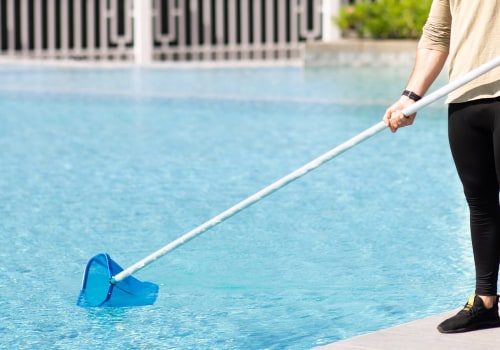
- Manual Pool Cleaners: On the other hand, manual pool cleaners can last between 5 to 8 years.
However, their longevity is heavily influenced by how frequently they are used and how well they are maintained. While they may not have as many moving parts as robotic cleaners, they still require regular checks to ensure optimal performance.
Advantages of Robotic Cleaners
- Efficiency: Robotic cleaners are designed to navigate pools autonomously, covering every inch of the surface and walls without requiring constant supervision. This efficiency not only saves time but also ensures a more thorough clean.
- Energy Savings: Many robotic models are energy-efficient, using less electricity compared to traditional suction or pressure cleaners. This can lead to lower utility bills over time.
- Advanced Features: Many robotic cleaners come equipped with smart technology, allowing users to schedule cleanings or control them via smartphone apps.
This level of convenience is unmatched by manual options.
Disadvantages of Manual Cleaning
- Labor-Intensive: Manual cleaning requires significant physical effort and time commitment. Pool owners must actively scrub surfaces and maneuver equipment, which can be exhausting.
- Inconsistent Results: The effectiveness of manual cleaning can vary greatly depending on the user's diligence and technique. In contrast, robotic cleaners provide consistent results with minimal effort.
- Limited Coverage: Manual cleaners may miss spots or fail to clean hard-to-reach areas effectively, leading to potential algae growth or debris accumulation.
Conclusion: Maximizing Your Robotic Pool Vacuum's Lifespan
In summary, the lifespan of your robotic pool vacuum is influenced by a variety of factors, including the model you choose, how often you use it, and the level of maintenance you provide.On average, you can expect these pool cleaners to last between 5 to 7 years, but this can vary significantly based on individual circumstances. To maximize the longevity of your robotic pool vacuum, consider the following key points:
- Regular Maintenance: Just like any other piece of equipment, your pool cleaner requires regular upkeep. This includes cleaning the filters, checking for debris in the brushes and wheels, and ensuring that all components are functioning properly.
- Part Replacement: Over time, certain parts may wear out and need replacement. Common components that may require attention include wheels, brushes, and filters. Staying proactive about replacing these parts can prevent more significant issues down the line.
- Usage Frequency: The more frequently you use your robotic pool vacuum, the more wear and tear it will experience.
If you have a particularly dirty pool or live in an area with heavy debris, consider using your cleaner more strategically to avoid overworking it.
- Environmental Factors: The type of water in your pool (saltwater vs. chlorine) and local weather conditions can also impact the lifespan of your cleaner. For instance, saltwater pools may require more frequent maintenance due to corrosion risks.
- Proper Storage: When not in use, store your robotic pool vacuum in a cool, dry place away from direct sunlight and harsh chemicals. This simple step can significantly extend its life by preventing material degradation.
Investing time in proper care not only enhances performance but also maximizes your return on investment. Ultimately, understanding the factors that affect the lifespan of your robotic pool cleaner empowers you to make informed decisions about maintenance and usage. With diligence and care, you can enjoy a sparkling clean pool while extending the life of your valuable cleaning equipment.