Clear guidance for cleaner pools.
Maximizing the Lifespan of Your Robotic Pool Cleaner: Essential Tips and Maintenance Strategies
Discover essential tips and maintenance strategies to maximize the lifespan of your robotic pool cleaner and keep your pool sparkling clean.
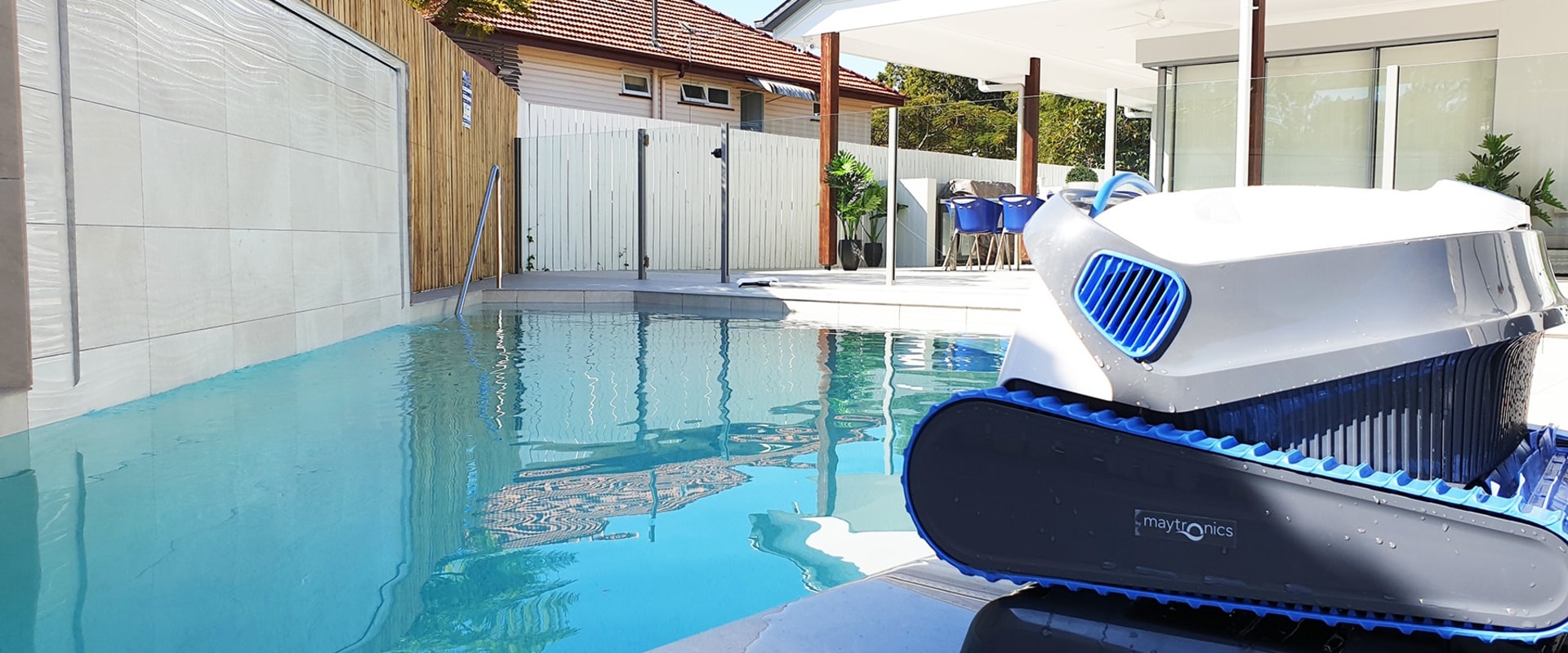
Robotic pool cleaners have revolutionized the way we maintain our swimming pools, offering a blend of efficiency and convenience that traditional cleaning methods simply cannot match. These automated devices are designed to navigate the contours of your pool, scrubbing surfaces and collecting debris with minimal human intervention. By utilizing advanced technology, robotic pool cleaners can operate independently, allowing you to enjoy your pool without the constant worry of maintenance. One of the primary benefits of robotic pool cleaners is their ability to save time and effort. Unlike manual cleaning methods that require significant physical labor and time investment, robotic cleaners can be programmed to operate on a schedule, ensuring your pool remains clean with little oversight.
This not only frees up your time but also ensures that your pool is always ready for use, enhancing your overall swimming experience. Understanding how these machines work is essential for maximizing their effectiveness. Robotic pool cleaners are equipped with powerful motors and advanced filtration systems that allow them to suck up dirt, leaves, and other debris from both the floor and walls of your pool. They typically feature sensors that help them navigate around obstacles and adjust their cleaning patterns based on the size and shape of your pool. This intelligent design means they can efficiently cover every inch of your swimming area, providing a thorough clean that manual methods often miss. In addition to their cleaning capabilities, robotic pool cleaners are also designed with energy efficiency in mind.
Many models consume less electricity than traditional suction or pressure-side cleaners, making them a more environmentally friendly option. However, to ensure these devices last as long as possible, proper maintenance is crucial. Regularly checking for wear and tear, cleaning filters, and following manufacturer guidelines can significantly extend the lifespan of your robotic pool cleaner.
Factors Affecting the Lifespan of Robotic Pool Cleaners
The lifespan of robotic pool cleaners can vary significantly based on several key factors. Understanding these factors can help you make informed decisions about maintenance and usage, ultimately extending the life of your investment.1.Frequency of Use
One of the most significant factors affecting the longevity of your robotic pool cleaner is how often you use it.
Regular use can lead to wear and tear on components such as brushes, wheels, and filters. If you run your cleaner daily, you may find that parts need replacing sooner than if you only use it weekly or bi-weekly. It’s essential to strike a balance between keeping your pool clean and not overworking your cleaner.
2.Environmental Conditions
The environment in which your pool cleaner operates plays a crucial role in its lifespan. Factors such as:
- Water Chemistry: High levels of chlorine or other harsh chemicals can corrode parts of the cleaner, leading to premature failure.
- Temperature: Extreme heat or cold can affect the materials used in the construction of the cleaner, causing them to degrade faster.
- Debris Type: Pools with heavy debris, such as leaves or dirt, can put additional strain on the cleaner's motor and brushes.
3.Model Specifications
The specific model of your robotic pool cleaner also influences its durability.
Higher-end models often come equipped with more robust components designed to withstand rigorous use. Features such as:
- Durable Materials: Look for cleaners made from high-quality plastics and metals that resist wear.
- Advanced Technology: Some models include smart navigation systems that reduce unnecessary wear by optimizing cleaning paths.
4.Maintenance Practices
Regular maintenance is vital for extending the lifespan of any robotic pool cleaner. This includes:
- Cleansing Filters: Regularly clean or replace filters to ensure optimal performance.
- Inspecting Parts: Check for signs of wear on wheels and brushes, replacing them as needed.
- Storing Properly: When not in use, store your cleaner in a cool, dry place away from direct sunlight and harsh chemicals.
Regular Maintenance Practices for Robotic Pool Cleaners
To ensure your robotic pool cleaner operates efficiently and lasts as long as possible, implementing a regular maintenance routine is crucial. Here are some essential practices to keep your pool cleaner in top shape:- Regular Cleaning of Filters: The filters in your robotic pool cleaner play a vital role in trapping dirt and debris.
It’s recommended to check and clean the filters after each use. If you notice a significant buildup of debris, rinse them with water to remove any clogs. Depending on usage, consider replacing the filters every 6 to 12 months to maintain optimal performance.
- Inspecting and Cleaning Brushes: The brushes are responsible for scrubbing the pool surfaces. Over time, they can wear down or become clogged with debris.
Regularly inspect the brushes for signs of wear and tear. If they appear damaged or worn, replace them promptly. Cleaning the brushes after each use will also help prevent algae buildup and ensure effective cleaning.
- Checking the Cables: The cable that connects your robotic pool cleaner to its power source can become tangled or damaged over time. After each use, unwind the cable and inspect it for any signs of fraying or damage.
Keeping the cable untangled will not only prolong its lifespan but also enhance the cleaner's mobility.
- Wheels and Tracks Maintenance: The wheels or tracks of your robotic pool cleaner are essential for its movement across various surfaces. Inspect them regularly for any debris that may hinder their function. Clean them thoroughly and replace them if you notice any significant wear or damage.
- Storage Practices: When not in use, store your robotic pool cleaner in a cool, dry place away from direct sunlight and harsh chemicals. This will help prevent deterioration of materials and components, extending the overall lifespan of your device.
Regular attention to these details not only ensures a clean pool but also saves you money on repairs and replacements in the long run.
Common Repairs and Replacement Parts for Robotic Pool Cleaners
Robotic pool cleaners are remarkable devices that simplify pool maintenance, but like any mechanical system, they can encounter issues over time. Understanding common repairs and knowing which parts may need replacement can help you keep your pool cleaner running efficiently.Common Issues with Robotic Pool Cleaners
Several problems can arise with robotic pool cleaners, often stemming from wear and tear or improper use. Here are some of the most frequently reported issues:- Inconsistent Cleaning: If your cleaner is not picking up debris effectively, it may be due to clogged filters or worn brushes. Regularly check and clean these components to ensure optimal performance.
- Navigation Problems: If the cleaner seems to get stuck or doesn’t navigate the pool properly, it could be a sign of damaged tracks or wheels.
Inspect these parts for any signs of wear.
- Power Issues: If your robotic cleaner fails to start or loses power mid-cycle, check the power supply and connections. Ensure that the power cord is not damaged and that the outlet is functioning correctly.
- Water Leakage: Water entering the motor compartment can lead to significant damage. If you notice moisture inside the unit, it’s crucial to address this immediately by checking seals and gaskets.
Replacement Parts for Robotic Pool Cleaners
Over time, certain parts of your robotic pool cleaner will require replacement due to regular use. Here are some key components that often need to be replaced:- Filters: The filter is essential for trapping dirt and debris.
Depending on usage, filters should be cleaned after every use and replaced every 1-2 years.
- Brushes: Brushes are critical for scrubbing surfaces. They can wear down over time, so inspect them regularly and replace them if they appear frayed or damaged.
- Tracks and Wheels: These components help your cleaner navigate the pool. If you notice reduced mobility or if they appear worn, consider replacing them to maintain efficiency.
- Cables: The cable connects the cleaner to its power source. Look for any signs of fraying or damage; a compromised cable can affect performance and safety.
Troubleshooting Tips
If you encounter issues with your robotic pool cleaner, here are some troubleshooting steps you can take before seeking professional help:- Check Power Supply: Ensure that the unit is plugged in and that there are no issues with the outlet.
- Inspect Filters and Brushes: Remove and clean filters; replace brushes if they show signs of wear.
- Examine Cables: Look for any visible damage on the power cable; replace if necessary.
- Reset the Unit: Sometimes a simple reset can resolve minor electronic glitches.
Best Practices for Storing Your Robotic Pool Cleaner
Storing your robotic pool cleaner properly is essential for maintaining its functionality and extending its lifespan.When not in use, improper storage can lead to damage from environmental factors, wear and tear, and even mechanical failures. Here are some best practices to ensure your pool cleaner remains in optimal condition.
1.Clean Before Storing
Before you put your robotic pool cleaner away, it’s crucial to clean it thoroughly. Remove any debris, dirt, or algae that may have accumulated during its last cleaning cycle. Pay special attention to:- Filters: Rinse the filters with clean water to remove any trapped particles.
Allow them to dry completely before reassembling.
- Brushes: Check the brushes for tangled hair or debris. Use a soft brush or cloth to clean them gently.
- Hoses: If your model has hoses, ensure they are free of clogs and rinsed out.
2.Choose the Right Storage Location
The location where you store your robotic pool cleaner can significantly impact its longevity. Here are some tips for selecting an ideal storage spot:- Avoid Direct Sunlight: Prolonged exposure to sunlight can degrade the materials of your cleaner, leading to cracks and fading. Store it in a shaded area or indoors.
- Temperature Control: Extreme temperatures can affect the battery and other components.
A cool, dry place is ideal for storage.
- Humidity Levels: High humidity can promote mold growth and corrosion. Ensure the storage area is well-ventilated.
3.Use Protective Covers
If possible, invest in a protective cover specifically designed for your robotic pool cleaner. This cover will shield it from dust, moisture, and other potential hazards while stored. If a cover isn’t available, consider using a breathable fabric that allows air circulation while protecting against dust.4.Regular Maintenance Checks
Even when stored away, it’s wise to perform regular maintenance checks on your robotic pool cleaner.Every few months, inspect the device for any signs of wear or damage. Look for:
- Cables: Ensure that cables are intact and free from fraying.
- Batteries: Check battery health if applicable; replace if necessary.
- Overall Condition: Look for any signs of rust or corrosion that may have developed during storage.
Choosing the Right Robotic Pool Cleaner for Longevity
When it comes to investing in a robotic pool cleaner, making the right choice can significantly impact its longevity and performance. With numerous options available on the market, understanding the essential features and qualities to look for is crucial for ensuring that your pool cleaner lasts for years to come.Key Features to Consider
- Durability of Materials: Look for pool cleaners made from high-quality, durable materials.
Models constructed with robust plastics and corrosion-resistant components are more likely to withstand the harsh conditions of pool environments.
- Advanced Navigation Technology: Opt for robotic cleaners equipped with smart navigation systems. These technologies allow the cleaner to map out your pool efficiently, ensuring thorough coverage and reducing wear on the device.
- Filter Quality: A good filtration system is essential for maintaining clean water and prolonging the life of your cleaner. Choose models with easy-to-clean filters that can capture both fine debris and larger particles.
- Energy Efficiency: Energy-efficient models not only save on electricity costs but also tend to have longer lifespans due to reduced strain on their motors. Look for cleaners that operate effectively while consuming less power.
- Warranty and Brand Reputation: Investing in a reputable brand often means better customer support and warranty options.
A longer warranty period can be an indicator of the manufacturer’s confidence in their product's durability.
Top Robotic Pool Cleaners
Some of the best robotic pool cleaners known for their longevity include:- Dolphin Nautilus CC Plus: This model is praised for its powerful suction and efficient cleaning patterns, making it a favorite among pool owners.
- Pentair Prowler 920: Known for its durable construction and advanced navigation, this cleaner effectively tackles both floors and walls.
- iRobot Mirra 530: With its unique filtration system and ease of use, this cleaner is designed to last while providing excellent cleaning performance.
Frequently Asked Questions About Robotic Pool Cleaners
Robotic pool cleaners have become an essential tool for pool maintenance, but many users still have questions about their operation, maintenance, and troubleshooting. Here are some of the most frequently asked questions regarding pool cleaners.What is a robotic pool cleaner?
A robotic pool cleaner is an automated device designed to clean the surfaces of your swimming pool, including the floor, walls, and waterline. These machines operate independently, using advanced technology to navigate and remove debris without requiring manual intervention.How often should I run my robotic pool cleaner?
The frequency of use depends on several factors, including the size of your pool, the amount of debris it collects, and your personal preference.Generally, running your robotic cleaner once or twice a week is sufficient for maintaining a clean pool. However, during heavy debris seasons or after storms, you may want to increase the frequency.
Can I leave my robotic pool cleaner in the pool?
While many robotic cleaners are designed to withstand prolonged exposure to water, it’s best practice to remove them after each cleaning cycle. Leaving them in the pool can lead to wear and tear on the components and may shorten their lifespan. Additionally, storing them in a cool, dry place when not in use helps prevent damage from chemicals and UV rays.What should I do if my robotic pool cleaner gets stuck?
If your pool cleaner becomes stuck, first check for any obstacles in its path.Common culprits include ladders, steps, or large debris. If it’s still stuck after removing obstacles, try resetting the unit by turning it off and then back on. If problems persist, consult the user manual for troubleshooting tips specific to your model.
How do I maintain my robotic pool cleaner?
- Regularly clean filters: Clogged filters can reduce efficiency. Clean them after each use.
- Inspect brushes and wheels: Check for wear and replace them as needed to ensure optimal cleaning performance.
- Avoid harsh chemicals: Store your cleaner away from chemicals that can degrade its materials.
What are common issues with robotic pool cleaners?
Some common issues include:- Poor cleaning performance: This may be due to dirty filters or worn brushes.
- Navigation problems: If your cleaner is not moving correctly, check for tangled cords or obstacles.
- No power: Ensure that the power supply is functioning and that connections are secure.
Conclusion: Ensuring Longevity for Your Robotic Pool Cleaner
In conclusion, extending the lifespan of your robotic pool cleaner is not just about the initial investment; it’s about the ongoing commitment to maintenance and care.By implementing the strategies discussed throughout this article, you can significantly enhance the durability and efficiency of your pool cleaning device. To recap, here are some essential practices to ensure your robotic pool cleaner remains in optimal condition:
- Regular Cleaning: Make it a habit to clean the filters, brushes, and tracks after each use. This prevents debris buildup that can hinder performance.
- Monitor Wear and Tear: Keep an eye on parts that are prone to wear, such as wheels and brushes. Replacing these components promptly can prevent further damage.
- Proper Storage: When not in use, store your robotic cleaner in a cool, dry place away from direct sunlight and harsh chemicals. This will help preserve its materials and electronic components.
- Follow Manufacturer Guidelines: Always adhere to the manufacturer’s instructions regarding usage and maintenance.
This ensures that you are using the cleaner as intended and helps avoid voiding any warranties.
- Limit Pool Time: While it may be tempting to leave your cleaner running for extended periods, doing so can lead to unnecessary wear. Use it only when needed and for the recommended duration.