Clear guidance for cleaner pools.
The Hidden Dangers of Leaving Your Pool Cleaner On All The Time
Discover the risks of leaving your pool cleaner on all the time and learn how to maintain it for a cleaner, safer swimming pool.
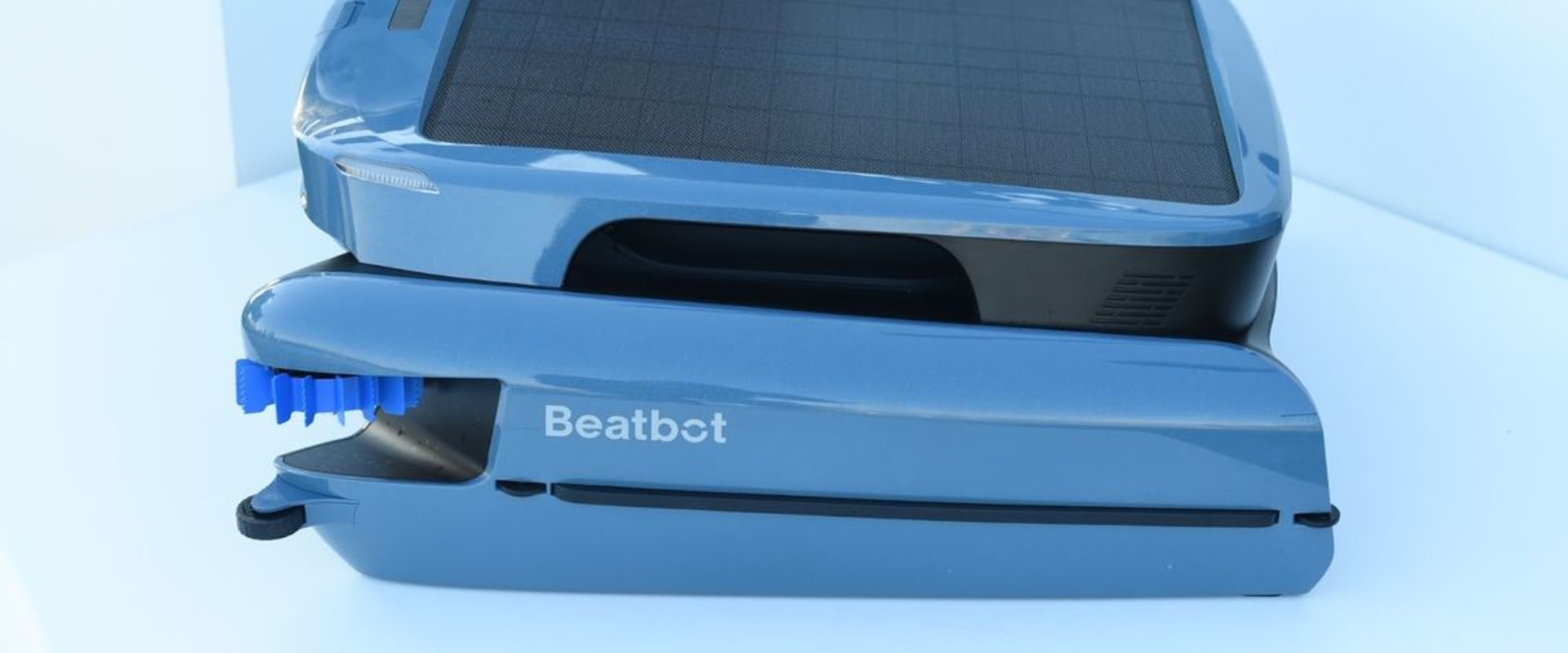
When it comes to maintaining a pristine swimming pool, pool cleaners play an essential role. These devices are designed to automate the cleaning process, ensuring that your pool remains free of debris, dirt, and algae. Understanding how pool cleaners work and the various types available can help you make informed decisions about their use and maintenance. There are several types of pool cleaners , each with its unique functionality and advantages. The most common categories include suction-side cleaners, pressure-side cleaners, and robotic cleaners.
Suction-side cleaners utilize the pool's existing filtration system to create suction that pulls in dirt and debris. They are generally easy to use and maintain but may not be as effective in larger pools or those with heavy debris. On the other hand, pressure-side cleaners operate using water pressure from the pool's return jets, allowing them to collect larger debris more efficiently. However, they often require a booster pump for optimal performance. Robotic pool cleaners represent the latest advancement in cleaning technology.
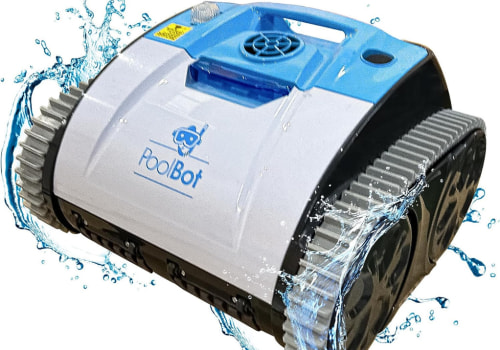
These self-contained units operate independently of your pool's filtration system and are equipped with their own motors and filters. They can navigate the pool floor, walls, and even waterline, providing a thorough clean without relying on your pool's pump. While they may come with a higher price tag, their efficiency and effectiveness can make them a worthwhile investment for many pool owners. As we delve deeper into the topic of pool cleaners, it’s crucial to consider not only their functionality but also the implications of leaving them on continuously. While it may seem convenient to have your cleaner running at all times, understanding the potential risks associated with this practice is vital for maintaining both your cleaner's longevity and your pool's overall health.
The Risks of Continuous Operation
Leaving your pool cleaner running continuously may seem like a convenient solution for maintaining a pristine swimming environment, but it can lead to several significant risks that pool owners should be aware of.Understanding these dangers is crucial for ensuring the longevity of your cleaning equipment and the overall health of your pool. One of the primary concerns with continuous operation is the mechanical wear and tear that occurs over time. Just like any machine, a pool cleaner has moving parts that are subject to fatigue. When left running without breaks, components such as wheels, brushes, and motors can experience excessive strain. This can lead to premature failure, requiring costly repairs or even complete replacement of the unit. Moreover, constant exposure to pool chemicals can exacerbate these issues.
Pool water is treated with various chemicals, including chlorine and algaecides, which are essential for keeping the water clean but can be corrosive to your cleaner's materials. For instance, rubber seals and plastic components may degrade faster when consistently submerged in chemically treated water. This degradation not only affects the performance of the cleaner but can also lead to leaks or malfunctions. Another risk associated with leaving your pool cleaner on all the time is the potential for clogging and blockages. As the cleaner operates continuously, it collects debris such as leaves, dirt, and small stones.
If not regularly emptied or cleaned, these materials can accumulate and obstruct the cleaner's mechanisms. This not only reduces its efficiency but can also cause overheating or damage to the motor. Additionally, environmental factors play a role in the risks of continuous operation. For example, if your area experiences heavy rainfall or storms, debris can wash into the pool and overwhelm your cleaner. In such cases, it’s advisable to remove the cleaner from the water to prevent it from becoming damaged by excessive debris or strong currents. In summary, while it may be tempting to leave your pool cleaner running all day for convenience, doing so poses several risks including mechanical wear and tear, chemical damage, clogging issues, and vulnerability to environmental factors.
To protect your investment and ensure optimal performance, it’s best to operate your cleaner in intervals and perform regular maintenance checks.
Impact of Sunlight on Pool Cleaners
When it comes to maintaining your pool cleaner, one of the most overlooked factors is the impact of sunlight. Prolonged exposure to the sun can lead to significant degradation of the materials used in pool cleaners, particularly those made from rubber and plastic. The ultraviolet (UV) rays emitted by the sun are particularly harmful, as they can break down these materials over time, leading to discoloration, brittleness, and eventual failure of the components.Understanding UV Damage
- Discoloration: One of the first signs of UV damage is discoloration. The vibrant colors of your pool cleaner may fade, making it look worn and less appealing.
- Brittleness: Continuous exposure to sunlight can cause rubber parts to become brittle.
This brittleness can lead to cracks and tears, compromising the functionality of your cleaner.
- Structural Integrity: The overall structural integrity of your pool cleaner can be affected. Components that are meant to withstand water pressure and movement may weaken, leading to potential malfunctions.
- Shade Solutions: Whenever possible, store your pool cleaner in a shaded area when not in use. Consider using a large deck box or a dedicated storage shed that provides protection from direct sunlight.
- Covers: Invest in a protective cover specifically designed for your pool cleaner.
These covers can shield it from UV rays while also keeping it clean and free from debris.
- Regular Maintenance: Regularly inspect your pool cleaner for signs of UV damage. If you notice any fading or brittleness, consider replacing affected parts before they fail completely.
Chemical Exposure: Chlorine and Other Pool Chemicals
When it comes to maintaining a clean and safe swimming environment, understanding the impact of chemicals in your pool water is crucial. While chlorine is essential for sanitizing the water, it can also pose significant risks to your pool cleaner's longevity and performance.Over time, prolonged exposure to chlorine and other pool chemicals can lead to corrosion and degradation of various components within your cleaning device.
Chlorine Damage to Pool Cleaners
Chlorine is a powerful disinfectant that helps eliminate harmful bacteria and algae in your pool. However, its corrosive nature can be detrimental to the materials used in many pool cleaners. For instance, rubber seals, gaskets, and plastic parts are particularly vulnerable. When these components are exposed to high levels of chlorine for extended periods, they can become brittle, leading to cracks and leaks.
Moreover, robotic pool cleaners often contain motors and electronic components that are not designed to withstand harsh chemical environments.
Chlorine can seep into these areas, causing electrical failures or reduced efficiency. Regularly inspecting your cleaner for signs of wear and tear can help you catch these issues early before they escalate into costly repairs.
Chemical Effects on Pool Equipment
In addition to chlorine, other chemicals commonly used in pool maintenance—such as algaecides, pH balancers, and clarifiers—can also affect your pool cleaner. These substances may react with the materials in your cleaner, leading to similar degradation as chlorine. For example:
- Algaecides: Some algaecides contain copper or other metals that can stain or corrode metal parts of your cleaner.
- pH Balancers: If the pH levels are not properly maintained, acidic or alkaline water can erode seals and hoses.
- Clarifiers: These products can create a buildup on filters and brushes, reducing cleaning efficiency.
Maintaining Pool Chemical Balance
The key to protecting your pool cleaner from chemical damage lies in maintaining proper water chemistry.
Regular testing of your pool water is essential to ensure that chlorine levels remain within the recommended range (1-3 ppm) and that pH levels are balanced (7.2-7.8). Here are some tips for maintaining chemical balance:
- Test your water at least once a week using a reliable test kit.
- Add chemicals gradually and allow time for them to circulate before retesting.
- Avoid over-treating your pool with chemicals; follow manufacturer guidelines.
- Consider using a stabilizer to protect chlorine from UV degradation.
Environmental Factors: Weather and Debris Risks
Environmental factors play a significant role in the longevity and effectiveness of your pool cleaner. Weather conditions, particularly storms, and the presence of debris can pose serious risks to your pool equipment.Understanding these risks and taking appropriate precautions can help you protect your investment and ensure that your pool remains clean and safe.
Weather Effects on Pool Cleaners
Extreme weather conditions, such as heavy rain, strong winds, and intense sunlight, can adversely affect your pool cleaner. For instance, during storms, high winds can cause debris like branches, leaves, and even trash to be blown into your pool. This debris can not only clog the cleaner's mechanisms but also lead to physical damage. Additionally, heavy rainfall can dilute the pool chemicals, affecting water balance and potentially harming the cleaner's components.Debris Damage to Pool Equipment
Debris accumulation in your pool can create a host of problems for your pool cleaner.When leaves and other organic matter are left unchecked, they can decompose in the water, leading to algae growth and other contaminants. If your cleaner is constantly working against this buildup, it may experience increased wear and tear. Moreover, larger debris items can physically obstruct or damage the cleaner's brushes and hoses.
Storm Precautions for Pool Cleaners
To mitigate the risks posed by adverse weather conditions, it is crucial to establish a routine for removing your pool cleaner during storms. Here are some best practices:- Monitor Weather Conditions: Keep an eye on local weather forecasts.
If severe weather is predicted, plan to remove your cleaner ahead of time.
- Store Properly: Invest in a protective storage solution such as a deck box or shed where you can keep your cleaner safe from the elements.
- Inspect After Storms: After a storm has passed, inspect your cleaner for any signs of damage or debris accumulation before returning it to the pool.
- Regular Maintenance: Regularly clean and maintain your pool cleaner, ensuring that all parts are functioning correctly and free from debris.
Best Practices for Pool Cleaner Maintenance
Maintaining your pool cleaner is essential for ensuring its efficiency and longevity. By following a few best practices, you can keep your pool cleaner in optimal condition and extend the lifespan of your pool equipment.Regular Cleaning Routines
One of the most important aspects of pool cleaner maintenance is establishing a regular cleaning routine. Here are some steps to follow:- Inspect After Each Use: After using your pool cleaner, take a moment to inspect it for any visible debris or damage.
Remove any tangled leaves or dirt that may have accumulated during the cleaning process.
- Rinse Thoroughly: Rinse your pool cleaner with fresh water to remove chlorine and other chemicals that can cause corrosion. Pay special attention to the wheels, brushes, and filters.
- Clean Filters and Bags: Depending on the type of cleaner you have, regularly clean or replace the filters and bags. Clogged filters can reduce efficiency and lead to motor strain.
Proper Storage Solutions
How you store your pool cleaner can significantly impact its lifespan. Consider these storage tips:- Keep It Dry: Always store your pool cleaner in a dry place.
If possible, use a storage box that protects it from moisture and sunlight.
- Avoid Direct Sunlight: Prolonged exposure to UV rays can degrade the materials of your cleaner. Store it in a shaded area or use a cover when not in use.
- Use a Dedicated Storage Container: Invest in a large deck box or storage container specifically designed for pool equipment. This not only keeps your cleaner safe but also helps organize other pool maintenance tools.
Routine Maintenance Checks
In addition to regular cleaning, performing routine maintenance checks can help identify potential issues before they become serious problems:- Check for Wear and Tear: Regularly inspect hoses, wheels, and brushes for signs of wear. Replace any damaged parts promptly to avoid further damage.
- Monitor Water Chemistry: Ensure that your pool water is balanced.
High levels of chlorine or other chemicals can accelerate wear on your cleaner.
- Consult Manufacturer Guidelines: Always refer to the manufacturer’s instructions for specific maintenance recommendations tailored to your model.
Choosing the Right Pool Cleaner for Your Needs
Choosing the right pool cleaner is essential for maintaining a clean and inviting swimming environment. With various types of pool cleaners available, understanding your specific needs and the features that matter most can significantly enhance your pool maintenance experience.1.Assess Your Pool Type
- In-Ground Pools: If you have an in-ground pool, consider a robotic or pressure-side cleaner. These models are designed to navigate the contours of your pool effectively.
- Above-Ground Pools: For above-ground pools, a suction-side cleaner or a lightweight manual cleaner may be more suitable, as they are easier to handle and store.
2.Consider the Size of Your Pool
The size of your pool plays a crucial role in determining which cleaner will work best. Larger pools may require more powerful cleaners with advanced features to ensure thorough cleaning.
Conversely, smaller pools can benefit from simpler models that are easier to operate.
3.Evaluate Cleaning Features
- Navigation Technology: Look for cleaners with smart navigation systems that can efficiently map out your pool and avoid obstacles.
- Filtration System: A robust filtration system is vital for capturing debris and ensuring clean water. Some models come with fine filters that can trap even the smallest particles.
- Energy Efficiency: Opt for energy-efficient models that consume less power while delivering effective cleaning results.
4.Read Reviews and Recommendations
Before making a purchase, take the time to read customer reviews and expert recommendations. This can provide valuable insights into the performance and reliability of different pool cleaners.
5.Budget Considerations
Finally, set a budget that aligns with your needs. While it may be tempting to go for the cheapest option, investing in a quality cleaner can save you money in repairs and replacements in the long run. By carefully considering these factors, you can select a pool cleaner that not only meets your specific requirements but also enhances your overall pool maintenance routine.
Frequently Asked Questions About Pool Cleaners
When it comes to maintaining a clean and safe swimming pool, understanding your pool cleaner is essential.Here are some frequently asked questions that can help you troubleshoot common issues and enhance your pool maintenance routine.
What types of pool cleaners are available?
There are three main types of pool cleaners:- Robotic Pool Cleaners: These are autonomous devices that navigate your pool using sensors. They are energy-efficient and can clean the pool floor, walls, and waterline.
- Pressure-Side Cleaners: These cleaners use the pressure from your pool's return jets to move around and collect debris. They are effective but may require a booster pump for optimal performance.
- Suction-Side Cleaners: These cleaners attach to your pool's skimmer or dedicated suction line and use the suction created by your pool pump to move around and pick up dirt and debris.
How often should I run my pool cleaner?
The frequency of running your pool cleaner depends on several factors, including the size of your pool, the amount of debris it collects, and how often it is used. Generally, it is recommended to run your cleaner at least once a week.During peak seasons or after heavy storms, you may need to run it more frequently.
What should I do if my pool cleaner is not working properly?
If you notice that your pool cleaner is not functioning as expected, consider the following troubleshooting steps:- Check for Blockages: Inspect the cleaner's hoses, filters, and brushes for any debris that may be obstructing its operation.
- Inspect the Power Supply: Ensure that the power supply is functioning correctly and that all connections are secure.
- Examine the Pool Water Chemistry: Imbalanced water chemistry can affect the performance of your cleaner. Make sure your pH and chlorine levels are within the recommended ranges.
How can I extend the lifespan of my pool cleaner?
To maximize the longevity of your pool cleaner, follow these maintenance tips:- Regular Cleaning: Rinse off any debris from the cleaner after each use to prevent buildup.
- Avoid Sun Exposure: Store your cleaner in a shaded area when not in use to protect it from UV damage.
- Check for Wear and Tear: Regularly inspect parts such as brushes and wheels for signs of wear, replacing them as needed.
Conclusion: The Importance of Responsible Pool Cleaner Use
In summary, the decision to leave your pool cleaner in the water at all times is fraught with potential risks that can lead to significant damage and reduced efficiency. Understanding these dangers is crucial for any pool owner who wishes to maintain a clean and safe swimming environment while also prolonging the lifespan of their cleaning equipment. Throughout this article, we have explored various factors that contribute to the deterioration of pool cleaners, including:- Sun Exposure: Prolonged exposure to UV rays can weaken the materials of your cleaner, leading to discoloration and structural damage.
- Chemical Corrosion: Essential pool chemicals like chlorine can corrode vital components of your cleaner, such as gaskets and motors, if left submerged for extended periods.
- Environmental Factors: Debris from storms or strong winds can clog or damage your cleaner, making it less effective and potentially leading to costly repairs.
- Limit Submersion Time: Remove your cleaner from the water after each use to prevent unnecessary exposure to harmful elements.
- Regular Maintenance: Conduct routine checks and maintenance on your cleaner, including rinsing off debris and inspecting for wear and tear.
- Proper Storage: Invest in a suitable storage solution that protects your cleaner from sunlight and environmental hazards when not in use.
- Monitor Water Chemistry: Keep your pool water balanced to reduce the risk of chemical damage to your cleaning equipment.
Remember, a well-maintained pool cleaner not only enhances the cleanliness of your pool but also contributes to a safer swimming experience for you and your family. Make responsible use and maintenance a priority, and enjoy the benefits of a sparkling clean pool all season long.