Clear guidance for cleaner pools.
The Risks of Keeping a Robotic Pool Cleaner in Your Pool: What Every Owner Should Know
Discover the dangers of leaving a robotic pool cleaner in your pool and learn how to maintain it for optimal performance and longevity.
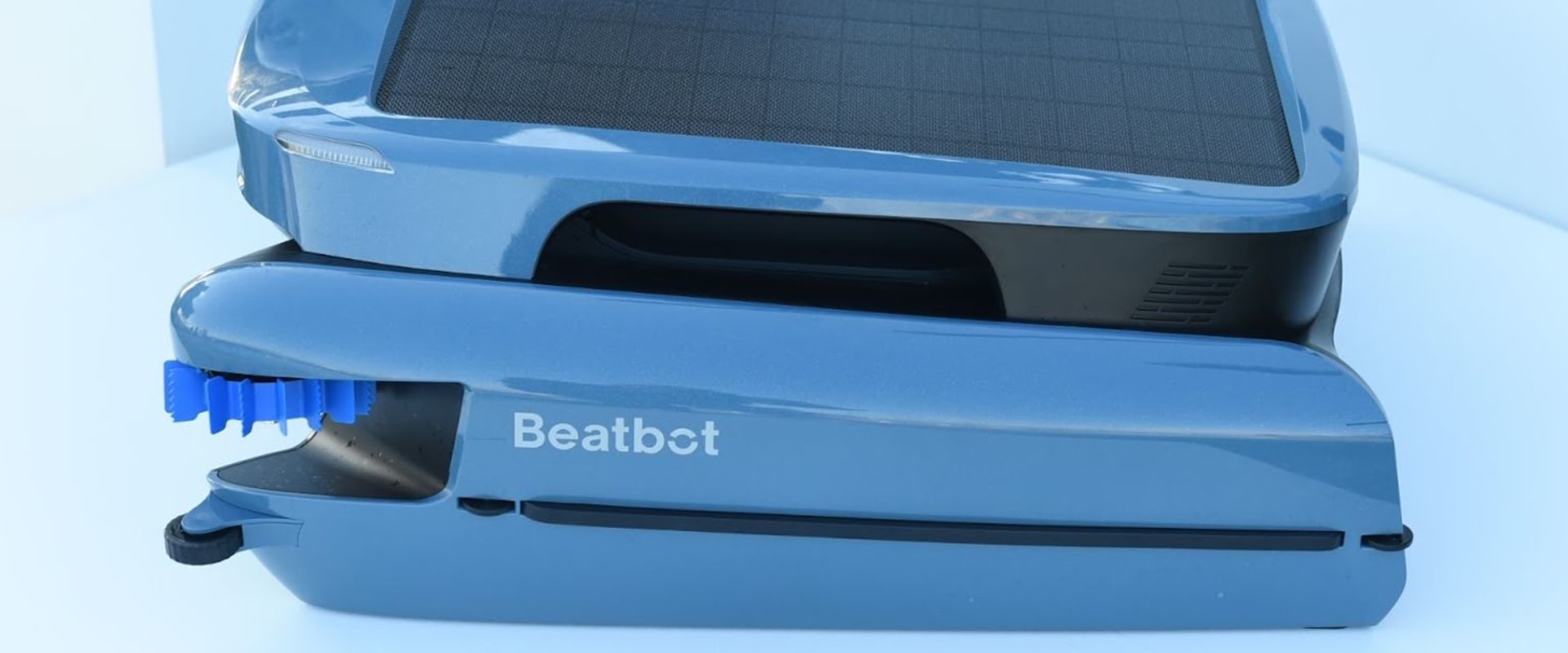
Robotic pool cleaners have revolutionized the way pool owners maintain their swimming environments. These automated devices are designed to navigate the pool's surface and floor, effectively removing dirt, debris, and even algae without the need for manual intervention. By utilizing advanced technology, robotic pool cleaners can efficiently clean various pool shapes and sizes, making them a popular choice among homeowners looking for convenience and effectiveness. Understanding how robotic pool cleaners work is essential for maximizing their benefits. Most models operate using a combination of suction and scrubbing mechanisms, powered by electric motors.
They are equipped with sensors that allow them to map the pool's layout, ensuring comprehensive coverage while avoiding obstacles. Additionally, many robotic cleaners feature programmable settings, enabling users to schedule cleaning cycles at their convenience. This automation not only saves time but also ensures that the pool remains clean and inviting. The advantages of using robotic pool cleaners extend beyond mere convenience. For one, they are energy-efficient compared to traditional cleaning methods, often consuming less electricity than running a pool pump for extended periods.
Furthermore, these devices can improve water circulation and filtration by agitating the water as they clean, which helps distribute chemicals more evenly throughout the pool. This leads to better water quality and can reduce the need for additional chemical treatments. However, while robotic pool cleaners offer numerous benefits, it is crucial to understand the potential risks associated with leaving them in the pool continuously. In the following sections, we will delve into these dangers and provide insights on how to properly care for your robotic cleaner to ensure its longevity and optimal performance.
Chemical Exposure: A Hidden Threat
When it comes to maintaining a clean and inviting swimming pool, pool chemicals play a crucial role. However, many pool owners overlook the potential dangers these chemicals pose to their robotic pool cleaners.Understanding the effects of these substances is essential for preserving the longevity and efficiency of your cleaning equipment. Robotic pool cleaners are designed to operate in water that is treated with various chemicals, including chlorine, algaecides, and pH balancers. While these cleaners are built to withstand some exposure, prolonged contact with harsh chemicals can lead to significant damage over time. Here are some key points to consider:
- Chemical Corrosion: Many pool chemicals can be corrosive, especially in high concentrations. Chlorine, for instance, is effective at sanitizing water but can degrade the materials used in robotic cleaners if left submerged for extended periods.
- Seal Integrity: The seals and gaskets that protect the internal components of your cleaner from water damage can deteriorate due to chemical exposure.
This deterioration can lead to leaks and malfunctions, ultimately reducing the cleaner's effectiveness.
- Battery Life: The battery systems in robotic cleaners are also susceptible to chemical exposure. Chemicals can seep into battery compartments, leading to corrosion and reduced battery life. Regularly removing the cleaner from the pool allows you to inspect and maintain these critical components.
- Regular Testing: Use a reliable test kit or strips to check the levels of chlorine, pH, alkalinity, and other important parameters at least once a week.
- Avoid Over-Chemicaling: Adding too many chemicals at once can create spikes in concentration that may harm your cleaner.
Always follow manufacturer guidelines for chemical additions.
- Monitor Rainfall: Rainwater can dilute or alter the chemical balance of your pool. After heavy rain, retest your water and adjust as necessary.
Impact on Battery Life and Performance
Leaving a robotic pool cleaner submerged in your pool can have significant repercussions on its battery life and overall performance. Understanding these impacts is essential for pool owners who want to maximize the longevity and efficiency of their cleaning equipment.Battery Life Deterioration
Robotic pool cleaners are equipped with rechargeable batteries designed to power their cleaning cycles.
However, when left in the water for extended periods, these batteries can experience accelerated deterioration. The primary reasons for this include:
- Continuous Charging: Many robotic cleaners are designed to charge only when needed. Leaving them in the pool can lead to a state of constant charging, which may cause overheating and reduce battery capacity over time.
- Water Exposure: While most robotic cleaners are water-resistant, prolonged exposure to water can still affect the battery's integrity. Water can seep into battery compartments, leading to corrosion and eventual failure.
- Chemical Reactions: Pool chemicals, even in balanced water, can react negatively with battery components.
Chlorine and other chemicals can corrode battery terminals, further shortening their lifespan.
Performance Issues
The performance of a robotic pool cleaner is directly linked to its battery health. A compromised battery will not only reduce cleaning efficiency but may also lead to erratic behavior during operation. Common performance issues include:
- Inconsistent Cleaning: A weakened battery may not provide enough power for the cleaner to navigate effectively, resulting in missed spots and inadequate cleaning.
- Reduced Runtime: As the battery degrades, the runtime of the cleaner diminishes. This means that what once took a few hours may now take significantly longer or may not complete at all.
- Increased Wear and Tear: When a cleaner struggles due to low power, it may work harder than necessary, leading to increased wear on its components and potentially causing mechanical failures.
Maintenance Tips for Prolonging Battery Life
To ensure your robotic pool cleaner remains in optimal condition, consider implementing the following maintenance tips:
- Remove After Use: Always take your cleaner out of the pool after each cleaning cycle.
This allows it to dry out and prevents unnecessary exposure to chemicals.
- Regular Inspections: Periodically check the battery compartment for any signs of corrosion or damage. Addressing these issues early can prevent costly replacements.
- Follow Manufacturer Guidelines: Adhere to the manufacturer's recommendations regarding charging cycles and storage conditions. This will help maintain both battery health and overall performance.
Environmental Factors: Sunlight and Weather Damage
Robotic pool cleaners are designed to make pool maintenance easier, but they are not immune to the effects of environmental factors. Two of the most significant threats to these devices are sunlight and weather.Understanding how these elements can damage your pool cleaner is essential for maintaining its performance and longevity.
Sunlight Damage
Prolonged exposure to direct sunlight can lead to several issues for robotic pool cleaners. The ultraviolet (UV) rays from the sun can degrade the materials used in the construction of the cleaner, particularly plastics and rubber components. Over time, this degradation can result in:
- Fading Colors: The vibrant colors of your cleaner may fade, making it less visually appealing.
- Cracking and Brittle Parts: UV exposure can cause plastic parts to become brittle, leading to cracks that may compromise the cleaner's functionality.
- Decreased Efficiency: As components wear down, the cleaner may not perform as effectively, leaving dirt and debris behind.
Weather Effects
Weather conditions such as rain, snow, and extreme temperatures can also pose risks to robotic pool cleaners. For instance:
- Water Damage: While many robotic cleaners are water-resistant, prolonged exposure to rainwater can still lead to internal damage if water seeps into sensitive electronic components.
- Temperature Fluctuations: Extreme heat can warp plastic parts, while freezing temperatures can cause materials to contract and crack.
- Mold and Mildew Growth: If a cleaner is left in a damp environment for too long, it may develop mold or mildew, which can affect its performance and hygiene.
Protecting Your Pool Equipment
To extend the lifespan of your robotic pool cleaner and protect it from environmental damage, consider implementing the following measures:
- Use a Pool Cover: When not in use, cover your pool with a high-quality pool cover.
This will shield your cleaner from direct sunlight and reduce exposure to rain.
- Store in a Shaded Area: If possible, store your robotic cleaner in a shaded area or indoors when it is not in use. This will help prevent UV damage and keep it safe from harsh weather conditions.
- Regular Maintenance: Regularly inspect your cleaner for signs of wear or damage. Clean it after each use to remove any debris that could harbor moisture or promote mold growth.
The Importance of Regular Maintenance
Maintaining your robotic pool cleaner is essential for ensuring its longevity and optimal performance. Regular maintenance not only enhances the efficiency of the cleaner but also helps prevent costly repairs down the line.Here are some best practices to follow for effective pool cleaner maintenance .
Routine Cleaning
After each cleaning cycle, it is vital to remove your robotic pool cleaner from the water. Rinse it thoroughly with fresh water to eliminate any debris, dirt, or chemicals that may have accumulated during its operation. This simple step can significantly extend the life of your cleaner.Inspecting Filters and Brushes
Regularly check the filters and brushes of your robotic pool cleaner. Clogged filters can hinder performance and reduce cleaning efficiency.Depending on usage, you should clean or replace the filters every few weeks. Additionally, inspect the brushes for wear and tear; replacing them when they become worn will ensure that your cleaner continues to scrub surfaces effectively.
Battery Care
The battery is a crucial component of any robotic pool cleaner. To maintain battery health, follow these guidelines:- Charge Properly: Always adhere to the manufacturer’s instructions regarding charging times and methods.
- Avoid Overcharging: Disconnect the charger once the battery is fully charged to prevent damage.
- Store Correctly: If you plan to store your cleaner for an extended period, ensure that the battery is charged to about 50% before storage.
Inspecting Cables and Hoses
The cables and hoses of your robotic pool cleaner are also susceptible to wear. Regularly inspect them for any signs of fraying or damage.A damaged cable can lead to operational issues or even pose a safety hazard. If you notice any problems, replace these components promptly to avoid further complications.
Seasonal Maintenance Checks
At the beginning and end of each swimming season, conduct a thorough inspection of your robotic pool cleaner. This includes checking all components, cleaning out any debris from hard-to-reach areas, and ensuring that all parts are functioning correctly. Taking these steps will help you catch potential issues early and keep your cleaner in top shape. In conclusion, regular maintenance of your robotic pool cleaner is not just a recommendation; it is a necessity for preserving its functionality and extending its lifespan.By following these maintenance tips, you can ensure that your investment continues to serve you well for many seasons to come.
Storage Solutions: Best Practices for Robotic Cleaners
Proper storage of your robotic pool cleaner is essential for maintaining its functionality and extending its lifespan. When not in use, these devices can be susceptible to various environmental factors that may lead to damage or decreased performance. Here are some best practices for storing your robotic pool cleaner effectively:- Choose a Dry Location: Always store your robotic pool cleaner in a dry area, away from moisture and humidity. A damp environment can lead to corrosion and electrical issues, which can severely impact the cleaner's performance.
- Avoid Direct Sunlight: Prolonged exposure to sunlight can degrade the materials of your cleaner, including its plastic components and rubber seals.
Consider using a shaded area or a storage shed to protect it from UV rays.
- Use a Protective Cover: If possible, invest in a protective cover specifically designed for your model. This will shield it from dust, debris, and other potential hazards while it is stored.
- Remove Accessories: Detach any accessories such as brushes or filters before storing the cleaner. This prevents wear and tear on these components and allows for easier cleaning and maintenance when you are ready to use it again.
- Inspect Before Storage: Before putting your robotic pool cleaner away, conduct a thorough inspection. Check for any signs of damage or wear, such as frayed cables or cracked housing.
Addressing these issues promptly can prevent further damage.
- Keep It Off the Ground: Store the cleaner on a shelf or in a designated storage bin rather than directly on the ground. This helps avoid contact with dirt, moisture, and pests that may be present on the floor.
Common Myths About Robotic Pool Cleaners
When it comes to robotic pool cleaners, there are several myths and misconceptions that can lead to confusion among pool owners. Understanding these myths is essential for effective pool maintenance and ensuring the longevity of your cleaning equipment.- Myth 1: Robotic Pool Cleaners Can Replace All Manual Cleaning
Many believe that once they invest in a robotic pool cleaner, they can completely eliminate manual cleaning.While these devices are highly efficient at removing debris and dirt, they cannot replace the need for regular maintenance tasks such as skimming the surface, checking chemical levels, and cleaning the pool walls and tiles. Manual intervention is still necessary to ensure optimal water quality and cleanliness.
- Myth 2: Leaving a Robotic Cleaner in the Pool is Safe
Some pool owners think that it’s perfectly fine to leave their robotic cleaner in the water at all times. However, prolonged exposure to chemicals, sunlight, and debris can damage the cleaner over time. It’s advisable to remove the cleaner after each use to prolong its lifespan and maintain its efficiency. - Myth 3: All Robotic Cleaners Are the Same
Not all robotic pool cleaners are created equal.There are various models designed for different pool types, sizes, and cleaning needs. Some may be better suited for above-ground pools, while others excel in in-ground pools. Researching and selecting a model that fits your specific requirements is crucial for effective cleaning.
- Myth 4: Robotic Cleaners Don’t Work Well on Algae
A common misconception is that robotic cleaners are ineffective against algae. In reality, many modern robotic cleaners are equipped with advanced features that allow them to scrub surfaces and remove algae effectively.However, regular chemical treatment may still be necessary to prevent algae growth.
- Myth 5: Using a Robotic Cleaner Will Increase My Energy Bill
Some people worry that running a robotic pool cleaner will significantly raise their energy costs. In fact, most robotic cleaners are designed to be energy-efficient, often using less power than traditional suction or pressure cleaners. Additionally, they can reduce the need for other energy-consuming equipment like pumps and filters.
Conclusion: Protecting Your Investment in Pool Cleaners
In summary, the decision to leave a robotic pool cleaner in your pool should be approached with caution.While these devices are designed to make pool maintenance easier, neglecting proper care can lead to significant issues that may compromise their functionality and longevity. To protect your investment in pool cleaners, consider the following key points:
- Regular Maintenance: Always remove your robotic pool cleaner after each cleaning cycle. This not only allows for thorough rinsing but also gives you the chance to inspect it for any wear and tear. Regular maintenance can prevent minor issues from escalating into costly repairs.
- Water Chemistry Awareness: Maintaining balanced water chemistry is crucial. Even if your pool water appears clean, unbalanced chemicals can corrode the internal components of your cleaner.
Test your water frequently and adjust the chemical levels as needed.
- Protection from Elements: Exposure to harsh weather conditions can damage your robotic cleaner. Consider using a pool cover when the cleaner is not in use, which will shield it from direct sunlight and rain, extending its lifespan.
- Proper Storage: When not in use, store your robotic pool cleaner in a dry, shaded area. This will help prevent damage from UV rays and moisture, ensuring that it remains in optimal condition for future use.
- Follow Manufacturer Guidelines: Always adhere to the manufacturer's instructions regarding usage, charging, and storage. These guidelines are designed to maximize the performance and durability of your cleaner.
Remember, investing time in proper care today will pay off in the long run by ensuring that your pool cleaner operates efficiently and effectively for years to come.