Clear guidance for cleaner pools.
The Ultimate Guide to Understanding the Lifespan of Pool Robot Cleaners
Discover the lifespan of pool robot cleaners and learn how to extend their durability with our comprehensive guide.
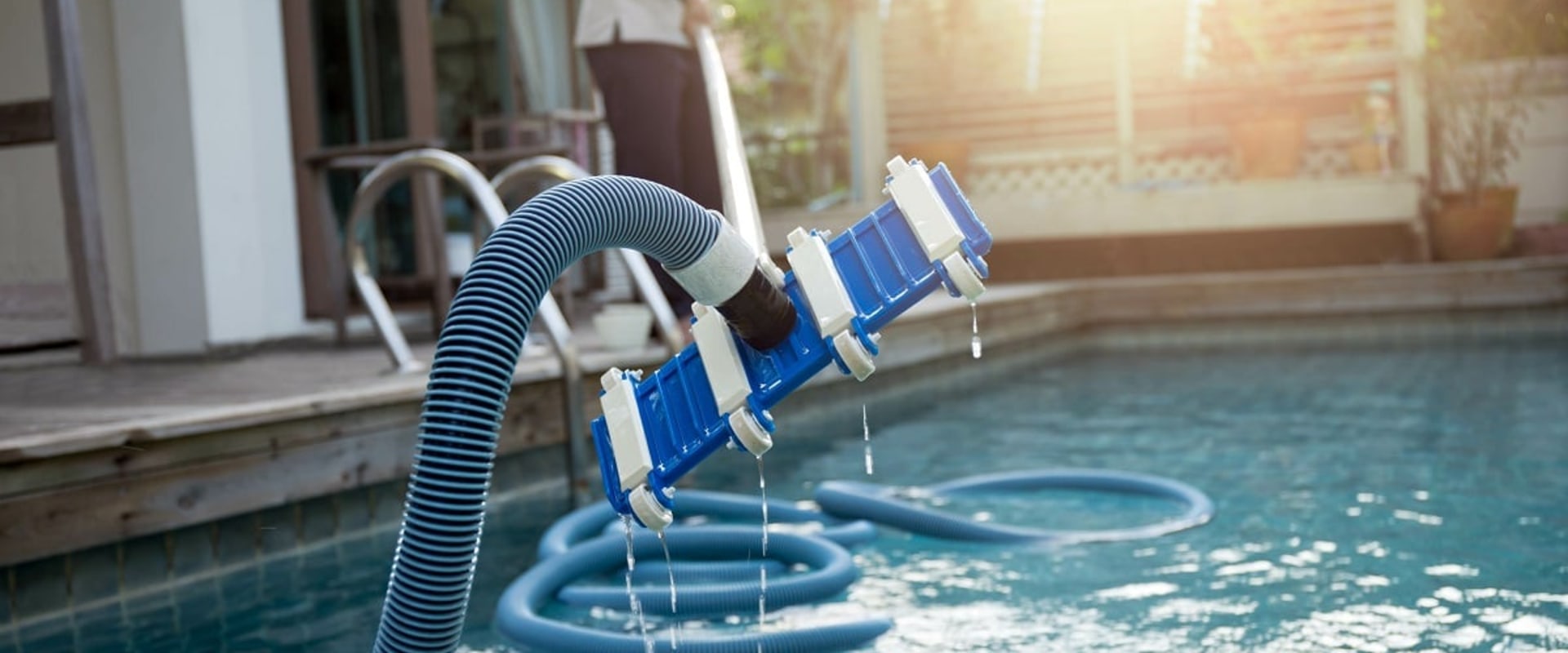
In recent years, the landscape of pool maintenance has transformed dramatically, largely due to the advent of pool robot cleaners. These innovative devices have gained immense popularity among pool owners, offering a level of convenience and efficiency that traditional cleaning methods simply cannot match. As more people invest in their backyards and swimming pools, understanding the role and functionality of robotic cleaners becomes essential for maintaining a pristine swimming environment. Robotic pool cleaners are designed to autonomously navigate the pool's surface and floor, effectively removing dirt, debris, and algae without requiring constant human intervention. This not only saves time but also ensures a more thorough clean.
With features such as programmable cleaning cycles and advanced navigation systems, these machines can adapt to various pool shapes and sizes, making them suitable for a wide range of residential pools. The benefits of using a robotic cleaner extend beyond mere convenience; they also contribute to better water circulation and filtration, which can enhance the overall health of your pool. However, like any mechanical device, the lifespan of pool cleaners is a critical consideration for potential buyers. Understanding how long these machines typically last and what factors influence their longevity can help you make an informed decision when selecting a cleaner for your pool. From regular maintenance practices to environmental conditions, several elements play a role in determining how long your robotic cleaner will serve you effectively.
In this guide, we will delve deeper into the lifespan of pool robot cleaners, exploring the various factors that affect their durability and performance.
What Are Pool Robot Cleaners?
Pool robot cleaners are innovative devices designed to automate the cleaning process of swimming pools, making maintenance easier and more efficient. Unlike traditional cleaning methods that often require manual labor, these robotic cleaners operate independently, allowing pool owners to enjoy a clean pool without the hassle. There are several types of pool cleaners , each with its own unique features and benefits:- Robotic Pool Cleaners: These are the most advanced type of pool cleaners. They are equipped with their own power source and can navigate the pool autonomously. Robotic cleaners use a combination of brushes, suction, and filtration systems to remove dirt, debris, and algae from the pool floor and walls.
- Suction-Side Cleaners: These cleaners attach to the pool's skimmer or dedicated suction line.
They rely on the pool's pump to create suction, which pulls debris into the cleaner. While they are generally less expensive than robotic models, they may not be as effective in cleaning larger debris.
- Pressure-Side Cleaners: These cleaners use water pressure from the pool's return jets to propel themselves around the pool. They typically have a bag or canister to collect debris. Pressure-side cleaners are effective for larger debris but may require additional equipment, such as a booster pump.
How do robotic pool cleaners work?
Robotic pool cleaners operate using advanced technology that allows them to scan and map the pool's surface.
They utilize sensors to detect obstacles and adjust their cleaning path accordingly. Most models feature programmable settings that enable users to schedule cleaning cycles at their convenience. The advantages of robotic pool cleaners over traditional cleaning methods are numerous:
- Efficiency: Robotic cleaners can clean a pool in a fraction of the time it would take using manual methods.
- Energy Savings: Many robotic models consume less energy compared to running a pool pump for extended periods.
- Thorough Cleaning: With their ability to scrub walls and reach corners, robotic cleaners provide a more comprehensive clean.
- User-Friendly: Most robotic cleaners are easy to operate and require minimal maintenance, making them ideal for busy homeowners.
Average Lifespan of Pool Robot Cleaners
When considering the average lifespan of pool cleaners, particularly robotic models, it’s essential to understand that various factors can significantly influence how long these devices will last. Generally, a well-maintained robotic pool cleaner can last anywhere from 4 to 7 years.However, this range can vary based on several key elements.
Usage Frequency
: The more often you use your pool cleaner, the more wear and tear it will experience. For instance, if you run your robotic cleaner daily during the swimming season, it may wear out faster than one that is used only weekly. Regular usage can lead to quicker degradation of components such as brushes and tracks.
Maintenance Practices
: Proper maintenance is crucial for extending the lifespan of your pool robot. Regularly cleaning the filters, checking for clogs, and ensuring that the brushes are in good condition can prevent unnecessary strain on the motor and other parts.
Neglecting these tasks can lead to reduced efficiency and a shorter lifespan.
Quality of the Model
: Not all robotic pool cleaners are created equal. Higher-end models often come with better materials and advanced technology, which can enhance durability. Investing in a reputable brand known for quality can pay off in terms of longevity.
Environmental Factors
: The conditions in which your pool cleaner operates also play a significant role in its lifespan. For example, exposure to harsh chemicals or extreme weather conditions can accelerate wear.
If your pool is located in an area with high debris levels, such as leaves or twigs, this can also impact how long your cleaner lasts. In summary, while the average lifespan of robotic pool cleaners typically ranges from 4 to 7 years, understanding the factors that affect longevity—such as usage frequency, maintenance practices, model quality, and environmental conditions—can help you make informed decisions about your investment. By taking proactive steps to care for your pool cleaner, you can maximize its lifespan and ensure a consistently clean swimming environment.
Factors Influencing the Lifespan of Pool Robot Cleaners
The lifespan of pool robot cleaners is influenced by a variety of factors that can significantly affect their performance and durability. Understanding these factors can help pool owners make informed decisions about maintenance and usage, ultimately extending the life of their investment.Maintenance Practices
Regular maintenance is crucial for ensuring the longevity of your pool cleaner. Here are some essential maintenance tips:- Regular Cleaning: After each use, rinse the robot with fresh water to remove debris and chemicals that can cause corrosion or wear over time.
- Inspect Parts: Regularly check the wheels, brushes, and filters for signs of wear.
Replacing worn parts promptly can prevent further damage to the cleaner.
- Storage: Store your pool cleaner in a cool, dry place when not in use. Avoid leaving it exposed to harsh weather conditions, which can degrade its components.
- Software Updates: If your robot has smart features, ensure that its software is updated regularly to benefit from improvements and bug fixes.
Frequency of Use
The frequency with which you use your pool cleaner also plays a significant role in its lifespan. Generally, more frequent use can lead to quicker wear and tear. Here are some considerations:- Seasonal Use: If you only use your pool during certain seasons, consider limiting the cleaner's operation to essential cleaning cycles to reduce wear.
- Type of Debris: Pools that accumulate heavy debris, such as leaves or dirt, may require more frequent cleaning sessions.
This increased workload can shorten the lifespan of the cleaner.
Environmental Conditions
The environment in which your pool is located can also impact the durability of your robotic cleaner. Factors include:- Water Chemistry: Maintaining balanced water chemistry is vital. High levels of chlorine or other chemicals can corrode parts of the cleaner.
- Temperature Extremes: Extreme temperatures can affect the materials used in pool cleaners. Prolonged exposure to high heat or freezing conditions may lead to material degradation.
- Sun Exposure: UV rays from sunlight can damage plastic components over time.
Consider using a cover for your pool when not in use to minimize exposure.
Maintenance Tips to Extend Your Pool Cleaner’s Lifespan
To ensure that your robotic pool cleaner operates efficiently and lasts as long as possible, regular maintenance is essential. Here are some practical tips to help you care for your pool cleaner and prolong its lifespan:- Regular Cleaning: After each use, rinse your pool cleaner with fresh water to remove dirt, debris, and chemicals. Pay special attention to the filters and brushes, as these components can accumulate grime that affects performance.
- Inspect for Damage: Periodically check your robotic cleaner for any signs of wear and tear. Look for cracks in the body, frayed cables, or worn-out brushes.
Addressing these issues early can prevent further damage and costly repairs.
- Replace Worn Parts: Over time, certain parts of your pool cleaner will need replacement. Commonly worn components include wheels, tracks, and brushes. Consult your user manual for guidance on replacement intervals and compatible parts.
- Store Properly: When not in use, store your robotic pool cleaner in a cool, dry place away from direct sunlight. Avoid leaving it in the pool for extended periods, as prolonged exposure to chlorine and UV rays can degrade its materials.
- Check the Cables: Ensure that the power cable is free from kinks or tangles.
A damaged cable can lead to electrical issues or hinder the cleaner's movement. If you notice any damage, replace the cable immediately.
- Monitor Water Chemistry: Maintaining balanced water chemistry is crucial not only for your pool's health but also for your cleaner's longevity. High levels of chlorine or other chemicals can corrode parts of the cleaner over time.
- Follow Manufacturer Guidelines: Always refer to the manufacturer’s instructions for specific maintenance recommendations tailored to your model. This includes cleaning schedules, part replacements, and troubleshooting tips.
Regular care not only ensures a clean pool but also saves you money in the long run by reducing the need for repairs or replacements.
Common Issues and Repairs for Pool Robot Cleaners
Robotic pool cleaners are designed to make pool maintenance easier, but like any mechanical device, they can encounter issues over time. Understanding the common problems associated with these machines can help you troubleshoot effectively and keep your pool cleaner running smoothly.1.Navigation Problems
One of the most frequent issues with robotic pool cleaners is navigation failure. If your cleaner is not moving as it should or is getting stuck in corners, consider the following:
- Check for Obstructions: Ensure that there are no large objects or debris in the pool that could hinder movement.
- Inspect the Cables: A tangled or damaged cable can prevent proper navigation. Make sure the cable is free of knots and in good condition.
- Software Updates: Some models may require software updates to improve navigation algorithms.
Check the manufacturer’s website for any available updates.
2.Insufficient Cleaning
If your robotic cleaner is not picking up debris effectively, it may be due to:
- Clogged Filters: Regularly clean or replace the filter cartridges to ensure optimal suction and cleaning performance.
- Worn Brushes: Over time, brushes can wear down and lose their effectiveness. Inspect them regularly and replace if necessary.
- Incorrect Settings: Ensure that you have selected the appropriate cleaning cycle for your pool type and debris level.
3.Power Issues
If your robotic cleaner fails to start or loses power during operation, consider these troubleshooting steps:
- Check Power Source: Ensure that the power supply is functioning correctly and that all connections are secure.
- Inspect for Damage: Look for any visible damage to the power cord or connections that may affect performance.
- Batteries: If your model uses rechargeable batteries, ensure they are charged and functioning properly.
4.Water Leakage
If you notice water leaking from your robotic cleaner, it could indicate a seal issue or internal damage. To address this:
- Inspect Seals: Check all seals and gaskets for wear or damage and replace them if necessary.
- Professional Repair: If you suspect internal damage, it may be best to consult a professional technician for repairs.
Upgrading Your Pool Cleaner: When Is It Time?
As technology continues to evolve, the question of when to upgrade your robotic pool cleaner becomes increasingly relevant. Understanding the signs that indicate it might be time for an upgrade can save you both time and money in the long run.Signs You Need a New Robotic Cleaner
- Decreased Cleaning Efficiency: If you notice that your pool cleaner is no longer picking up debris as effectively as it once did, it may be time to consider an upgrade.
A cleaner that struggles to maintain optimal performance can lead to a buildup of dirt and algae, ultimately affecting your pool's water quality.
- Frequent Repairs: If you find yourself constantly repairing or replacing parts of your robotic cleaner, this could be a sign that it's nearing the end of its lifespan. Investing in a new model may be more cost-effective than ongoing repairs.
- Outdated Technology: Newer models often come equipped with advanced features such as smart navigation, remote control capabilities, and energy-efficient designs. If your current cleaner lacks these features, upgrading can enhance your cleaning experience.
- Incompatibility with Pool Features: As your pool evolves—whether through renovations or changes in landscaping—your existing cleaner may not be able to adapt. If it struggles with new obstacles or features, it might be time for a more versatile model.
Benefits of Upgrading Your Pool Robot
- Improved Cleaning Performance: Newer models are designed with enhanced suction power and advanced filtration systems, ensuring a more thorough clean.
This means less time spent on maintenance and more time enjoying your pool.
- Energy Efficiency: Modern robotic cleaners are often built with energy-saving technologies that reduce electricity consumption. This not only lowers your utility bills but also contributes to a more environmentally friendly pool maintenance routine.
- User-Friendly Features: Many new robotic cleaners come with user-friendly interfaces and smartphone compatibility, allowing you to control and schedule cleaning cycles from anywhere. This convenience can significantly enhance your overall pool management experience.
- Longer Lifespan: Investing in a high-quality robotic cleaner can provide you with a longer-lasting solution. With proper care, newer models are built to withstand wear and tear better than older versions.
By investing in newer technology, you not only improve cleaning efficiency but also enjoy the benefits of modern features that make pool maintenance easier and more effective.
Comparing Popular Pool Robot Cleaners on the Market
As the demand for efficient and effective cleaning solutions grows, the market for robotic pool cleaners has expanded significantly. In 2023, several models stand out due to their innovative features, reliability, and user satisfaction. Below, we compare some of the best robotic pool cleaners available this year, highlighting their unique attributes, advantages, and potential drawbacks.1.Dolphin Nautilus CC Plus
The Dolphin Nautilus CC Plus is a popular choice among pool owners for its exceptional cleaning capabilities and user-friendly design.- Features: This model boasts dual scrubbing brushes, a powerful filtration system, and smart navigation technology that allows it to efficiently cover all areas of your pool.
- Pros: It is lightweight, easy to operate, and comes with a weekly scheduler for automated cleaning.
- Cons: Some users report that it may struggle with larger debris like leaves.
2.Polaris F9550 Sport
The Polaris F9550 Sport is designed for in-ground pools and is known for its robust performance.- Features: It includes a 4-wheel drive system, a remote control option, and a large debris canister that can handle various types of dirt and debris.
- Pros: Its advanced navigation system ensures thorough coverage, while the remote control adds convenience for targeted cleaning.
- Cons: The price point is higher compared to other models, which may not suit all budgets.
3.Hayward TigerShark
The Hayward TigerShark is another strong contender in the robotic cleaner market.- Features: It features a unique cartridge filter system that makes cleaning easy and efficient. The TigerShark can clean pools of various shapes and sizes.
- Pros: Its energy-efficient design allows it to operate without additional booster pumps.
- Cons: Some users have noted that it can be slower than other models when it comes to cleaning time.
4.iRobot Mirra 530
The iRobot Mirra 530 is designed specifically for above-ground pools but offers impressive performance.- Features: It has a built-in filtration system that captures dirt and debris while scrubbing the pool floor and walls.
- Pros: Its compact size makes it easy to store, and it operates quietly compared to other models.
- Cons: The cleaning cycle can be longer than expected for larger pools.
Each model has its strengths and weaknesses, so evaluating these aspects will help you find the best fit for your needs in 2023.
Conclusion: Maximizing Your Investment in Pool Robot Cleaners
In conclusion, investing in a pool robot cleaner can significantly enhance your pool maintenance routine, but maximizing the lifespan and efficiency of your cleaner requires informed decisions and diligent care. Throughout this guide, we have explored various aspects that contribute to the longevity and performance of these innovative devices. First and foremost, understanding the typical lifespan of pool cleaners—generally ranging from 4 to 7 years—sets realistic expectations for your investment. Factors such as usage frequency, model quality, and maintenance practices play crucial roles in determining how long your cleaner will serve you effectively. Proper maintenance cannot be overstated. Regularly inspecting and replacing worn parts like brushes and wheels can prevent minor issues from escalating into costly repairs or replacements.Additionally, ensuring that your cleaner is stored correctly during off-seasons will protect it from environmental damage. When selecting a pool robot cleaner, consider the specific needs of your pool. Factors such as size, shape, and the type of debris commonly found in your pool should guide your choice. Investing in a model with advanced features like smart navigation or programmable cleaning cycles can also enhance efficiency and convenience. Moreover, while a robotic cleaner is a powerful tool for maintaining a clean pool, it should not be relied upon exclusively. Regular chemical balancing and manual cleaning of skimmer baskets are essential to ensure optimal water quality and overall pool health. In summary, by making informed purchasing decisions and committing to regular maintenance practices, you can maximize your investment in a pool robot cleaner.
This proactive approach not only extends the lifespan of your equipment but also ensures that you enjoy a sparkling clean pool with minimal effort for years to come.