Clear guidance for cleaner pools.
Maximizing Efficiency: The Benefits of Running Your Pool Pump at Night
Discover the advantages of running your pool pump at night for cost savings, improved water quality, and a quieter pool experience.

Understanding the functionality of pool pumps is essential for any pool owner who wants to maintain a clean and inviting swimming environment. At its core, a pool pump is a mechanical device designed to circulate water throughout the pool system. This circulation is vital for several reasons, including the distribution of chemicals, the removal of debris, and the overall maintenance of water clarity and hygiene. Without a properly functioning pump, your pool can quickly become a breeding ground for algae and bacteria, making it unsafe for swimming. So, how do pool pumps work? The process begins when the pump draws water from the pool through skimmer baskets and main drains.
This water then passes through a filter, which removes dirt and debris before it is returned to the pool. The pump operates on a simple principle: it creates suction that pulls water in and then uses pressure to push it back out. This continuous cycle not only keeps the water clean but also helps in evenly distributing chemicals like chlorine, ensuring that every part of the pool receives adequate treatment. The importance of pool pumps cannot be overstated. They are the heart of your pool's filtration system, working tirelessly to keep your water clear and safe for swimming.
Regular operation of the pump helps prevent stagnation, which can lead to unpleasant odors and unsightly algae growth. Moreover, understanding how your pump functions allows you to make informed decisions about its operation, including when to run it for maximum efficiency and cost-effectiveness. In summary, a well-functioning pool pump is crucial for maintaining clean and healthy pool water. By grasping its functionality and role within your pool system, you can better appreciate the benefits of optimizing its operation—such as running it at night—to enhance both performance and energy savings.
The Cost Benefits of Running Your Pool Pump at Night
One of the most compelling reasons to run your pool pump at night is the potential for significant cost savings on your electricity bills. Understanding the difference between peak and off-peak electricity rates can help homeowners make informed decisions about when to operate their pool equipment. Electricity providers often charge higher rates during peak hours, which typically occur in the late afternoon and early evening when demand is at its highest.Conversely, off-peak hours, usually late at night or early morning, come with reduced rates. By scheduling your pool pump to run during these off-peak times, you can take advantage of lower electricity costs. For instance, if your utility company offers a time-of-use plan, you might find that running your pool pump from midnight to 6 AM could save you a substantial amount compared to running it during the day. This is particularly beneficial for homeowners with larger pools or those who use energy-intensive equipment like pool cleaners. Moreover, investing in an energy-efficient pool pump can amplify these savings. Variable-speed pumps, for example, allow you to adjust the flow rate according to your needs.
Running these pumps at lower speeds during off-peak hours not only reduces energy consumption but also extends the lifespan of your equipment. To maximize your savings:
- Check with your utility provider: Understand the specific peak and off-peak hours in your area.
- Consider a timer: Installing a timer on your pool pump can automate the process, ensuring it runs during the most cost-effective times.
- Monitor usage: Keep track of your electricity bills before and after making changes to see how much you save.
Environmental Impact: Reducing Energy Consumption
Running your pool pump at night not only benefits your wallet but also has significant environmental advantages. By choosing to operate your pump during off-peak hours, you can contribute to a reduction in overall energy consumption, which is crucial in our efforts to combat climate change. One of the primary environmental benefits of running your pool pump at night is the decrease in energy demand. During peak hours, energy consumption is at its highest, leading to increased reliance on fossil fuels and higher carbon emissions.By shifting your pool maintenance activities to nighttime, you help alleviate some of this demand. This practice can lead to a more stable energy grid and a reduction in the need for additional power plants, which often rely on non-renewable resources. Moreover, many utility companies offer lower rates for electricity used during off-peak hours. This not only saves you money but also encourages consumers to use energy more responsibly. By taking advantage of these lower rates, you are indirectly supporting a shift towards more sustainable energy practices. In addition to reducing energy consumption, running your pool pump at night can also enhance the effectiveness of eco-friendly pool practices.
For instance, when you run your pump after sunset, the cooler temperatures can help maintain optimal water chemistry. This is particularly important for maintaining chlorine levels, which are essential for keeping your pool clean and safe without resorting to harsh chemicals that can harm the environment. Furthermore, operating your pump at night minimizes the evaporation of water and chemicals due to lower temperatures and reduced sunlight exposure. This not only conserves water but also reduces the frequency of chemical additions needed to maintain water quality. In turn, this leads to less chemical runoff into local waterways, protecting aquatic ecosystems. In summary, running your pool pump at night is a simple yet effective way to reduce energy consumption and minimize your carbon footprint.
By adopting this practice, you are not only enhancing the sustainability of your pool maintenance routine but also contributing positively to the environment. Embracing eco-friendly practices in pool care is essential for preserving our planet for future generations.
Improved Water Quality and Pool Maintenance
Running your pool pump at night not only saves on energy costs but also significantly enhances pool water quality. One of the primary functions of a pool pump is to circulate water, which is essential for effective filtration. When you operate your pump during the cooler nighttime hours, you can improve the overall circulation of your pool water, ensuring that all areas receive adequate filtration. During the day, especially in warmer climates, the heat can cause water to evaporate and lead to increased algae growth.By running your pump at night, you can help mitigate these issues. The cooler temperatures reduce the likelihood of algae blooms, as these organisms thrive in warm conditions. This is particularly important for maintaining a clean swimming environment.
Benefits of Night Pumping
- Enhanced Filtration: Operating your pump at night allows for more thorough filtration as debris and contaminants are continuously circulated through the system.
- Reduced Algae Growth: Algae spores are less active at night, making it an ideal time to run your pump and prevent their proliferation.
- Improved Chemical Distribution: Running the pump at night helps distribute chemicals evenly throughout the pool, ensuring that sanitizers like chlorine work effectively.
- Less Disruption: Nighttime operation minimizes noise and disruption during the day when families are likely to be using the pool.
By enhancing circulation and filtration during these off-peak hours, you can maintain a cleaner and healthier swimming environment for you and your family.
Noise Reduction: Enjoying a Quieter Pool Experience
One of the often-overlooked benefits of running your pool pump at night is the significant reduction in noise pollution. For homeowners who cherish a peaceful environment, especially during the day, this aspect can greatly enhance the overall pool experience. Pool pumps, particularly traditional single-speed models, can be quite loud when operating. The hum and whir of the motor can disrupt conversations, outdoor activities, and even relaxation time by the pool. By scheduling your pump to run at night, you can enjoy a serene atmosphere during the day while still ensuring that your pool remains clean and well-maintained. Moreover, nighttime operation aligns perfectly with the natural rhythms of your household.Many families prefer to spend their evenings outdoors, enjoying barbecues or simply unwinding after a long day. With the pump running quietly in the background, you can focus on enjoying these moments without the distraction of a noisy machine. In addition to enhancing your personal enjoyment, running your pool pump at night can also be beneficial for your neighbors. If you live in a densely populated area or have close neighbors, daytime noise from your pool equipment can be bothersome. Operating your pump during off-peak hours minimizes disturbances and fosters a more harmonious community environment. For those who enjoy nighttime swimming, running the pump at night can also improve water quality without compromising the ambiance.
The circulation provided by the pump helps distribute chemicals evenly throughout the water, ensuring that it remains clean and safe for evening swims. This is particularly important as many people find swimming under the stars to be a relaxing and enjoyable experience. In summary, running your pool pump at night not only contributes to effective pool maintenance but also enhances your overall outdoor experience by reducing noise pollution. By prioritizing a quieter environment during the day, you can create a more enjoyable space for yourself and your family while still keeping your pool in top condition.
Best Practices for Running Your Pool Pump at Night
To maximize the benefits of running your pool pump at night, it’s essential to establish a well-thought-out pool pump schedule. This not only ensures optimal water circulation but also enhances the efficiency of your pool cleaning efforts.1.Determine Optimal Run Time
- Most experts recommend running your pool pump for at least 8 hours per day, especially during peak swimming season.
However, this does not have to be done in one continuous cycle.
- Consider splitting the run time into two segments: one during the night and another during the early morning hours. This approach can help maintain water clarity while taking advantage of lower energy rates.
- If you have a variable-speed pump, you can adjust the speed and duration based on your pool's specific needs, which can lead to significant energy savings.
2.Monitor Water Quality
- Regularly check your pool’s water chemistry, especially after running the pump at night. Look for pH levels, chlorine concentration, and alkalinity to ensure they are within the recommended ranges.
- Using a reliable test kit will help you identify any imbalances that may arise from nighttime pumping, allowing you to make necessary adjustments promptly.
3.Set a Timer
- Investing in a timer for your pool pump can simplify the process of nighttime operation. A timer allows you to set specific start and stop times, ensuring that your pump runs efficiently without requiring manual intervention.
- This is particularly useful for homeowners who may forget to turn the pump on or off at designated times.
4.Keep an Eye on Noise Levels
- While nighttime pumping is quieter than daytime operation, it’s still important to consider noise levels if you live in a neighborhood with close proximity to neighbors.
Ensure that your pump is well-maintained to minimize operational noise.
- If noise becomes an issue, consider soundproofing options or relocating the pump if feasible.
Common Misconceptions About Nighttime Pool Pump Operation
When it comes to maintaining a clean and healthy pool, many pool owners hold onto certain misconceptions about the operation of their pool pumps at night. Understanding these myths is crucial for making informed decisions that can enhance both the efficiency of your pool maintenance routine and the overall enjoyment of your swimming experience.Myth 1: Running the Pool Pump at Night is Ineffective
One common belief is that running the pool pump at night does not effectively clean the water. This misconception stems from the idea that sunlight is necessary for proper filtration.
In reality, the primary function of a pool pump is to circulate water through the filtration system, regardless of the time of day. The pump's ability to remove debris, algae, and contaminants is not dependent on sunlight; rather, it relies on consistent water movement.
Myth 2: Nighttime Pumping Leads to Increased Algae Growth
Another prevalent myth is that operating a pool pump at night can promote algae growth. While it’s true that algae thrive in warm, stagnant water, running your pump during cooler nighttime hours can actually help prevent algae blooms. By circulating water effectively, you ensure that chlorine and other sanitizers are evenly distributed throughout the pool, which is essential for keeping algae at bay.
Myth 3: Nighttime Operation is Noisy and Disruptive
Some pool owners worry that running their pumps at night will create noise disturbances.
However, modern pool pumps are designed to operate quietly, especially variable-speed models that can be adjusted to run at lower speeds during nighttime hours. This not only minimizes noise but also enhances energy efficiency.
Myth 4: You Can’t Monitor Water Quality at Night
Many believe that nighttime operation makes it difficult to monitor water quality. While it’s true that visibility may be limited after dark, this does not hinder the effectiveness of your pump. Regular testing of your pool water can be done during daylight hours, allowing you to adjust chemical levels as needed while still benefiting from nighttime circulation.
Conclusion
By debunking these common misconceptions about nighttime pool pump operation, you can make more informed choices regarding your pool maintenance routine.
Embracing nighttime pumping not only saves on energy costs but also contributes to a cleaner and healthier swimming environment.
FAQs About Running Your Pool Pump at Night
When it comes to maintaining a clean and healthy pool, many pool owners have questions about the best practices for running their pool pumps, especially at night. Below are some frequently asked questions that can help clarify the benefits and considerations of nighttime operation.1.Is it more energy-efficient to run my pool pump at night?
Yes, running your pool pump at night can be more energy-efficient. Many utility companies offer lower rates during off-peak hours, which typically include late evening and overnight. By scheduling your pump to operate during these times, you can significantly reduce your electricity costs while still ensuring that your pool remains clean and well-circulated.2.Will running the pump at night affect my pool's cleanliness?
No, running your pool pump at night will not negatively impact the cleanliness of your pool.In fact, it can be beneficial. During the day, sunlight can break down chlorine and other sanitizers more quickly, making nighttime operation an ideal time for effective filtration. Additionally, running the pump when the pool is not in use allows for uninterrupted cleaning.
3.How long should I run my pool pump at night?
The general recommendation is to run your pool pump for at least 8 hours a day, but this does not have to be done all at once. If you choose to run it at night, you can split the cycle into two segments if needed.Just ensure that the total runtime meets the daily requirement for effective filtration.
4.Are there any downsides to running my pool pump at night?
While there are many benefits to nighttime operation, there are a few considerations to keep in mind:- Noise: Depending on the type of pump you have, nighttime operation may create noise that could disturb you or your neighbors.
- Temperature: Cooler nighttime temperatures may affect how effectively chemicals work in the water.
- Visibility: If you need to perform maintenance or check on the equipment, working in low light can be challenging.
5.Can I use automatic pool cleaners while the pump is running at night?
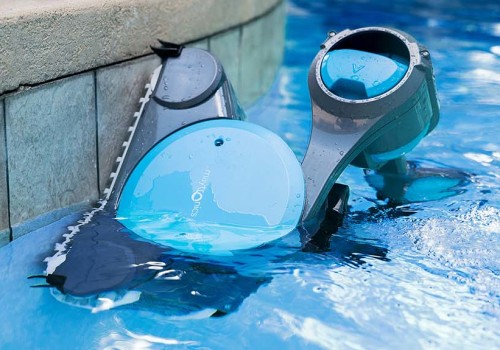
Absolutely! In fact, using automatic pool cleaners in conjunction with your nighttime pumping schedule can enhance cleaning efficiency. These devices work best when there is consistent water circulation, which is provided by your pump. Just ensure that your cleaner is compatible with your pump's operation schedule. By addressing these common concerns and questions about running your pool pump at night, you can make informed decisions that will help maintain a clean and enjoyable swimming environment while also saving on energy costs.Conclusion: Embracing Nighttime Pool Pumping for Optimal Results
In conclusion, the practice of running your pool pump at night offers a multitude of benefits that can significantly enhance both the efficiency of your pool maintenance and your overall swimming experience. By embracing nighttime pumping, you not only take advantage of lower energy rates but also contribute to a quieter and more peaceful environment during the day. One of the most compelling reasons to consider this approach is the potential for cost savings.Many utility companies implement time-of-use pricing, which means that electricity costs can be substantially lower during off-peak hours. By scheduling your pool pump to operate at night, you can capitalize on these reduced rates, leading to noticeable savings on your monthly energy bills. Moreover, running your pool pump at night can improve the overall cleanliness and health of your pool water. During the day, sunlight can cause chlorine to dissipate more quickly, reducing its effectiveness in keeping the water sanitized. By operating the pump at night, you allow for better circulation and filtration when the sun is down, ensuring that your pool remains clean and safe for swimming. Additionally, nighttime operation can help in managing algae growth.
Algae thrive in warm, sunny conditions; therefore, running your pump after dark can disrupt their growth cycle. This proactive approach not only keeps your pool looking pristine but also minimizes the need for harsh chemicals and frequent cleaning. To maximize these benefits, consider investing in a variable-speed pump. These pumps are designed to operate efficiently at lower speeds during off-peak hours, further enhancing energy savings while maintaining optimal water quality. In summary, adopting a nighttime schedule for your pool pump is a smart choice that aligns with both economic and environmental considerations. By making this simple adjustment, you can enjoy a cleaner, safer pool while also reducing your energy costs.
So why not take the plunge and embrace nighttime pumping? Your wallet—and your pool—will thank you!.