Clear guidance for cleaner pools.
The Ultimate Guide to Extending the Lifespan of Your Pool Robot
Discover essential tips and maintenance practices to extend the lifespan of your pool robot and keep your pool sparkling clean.
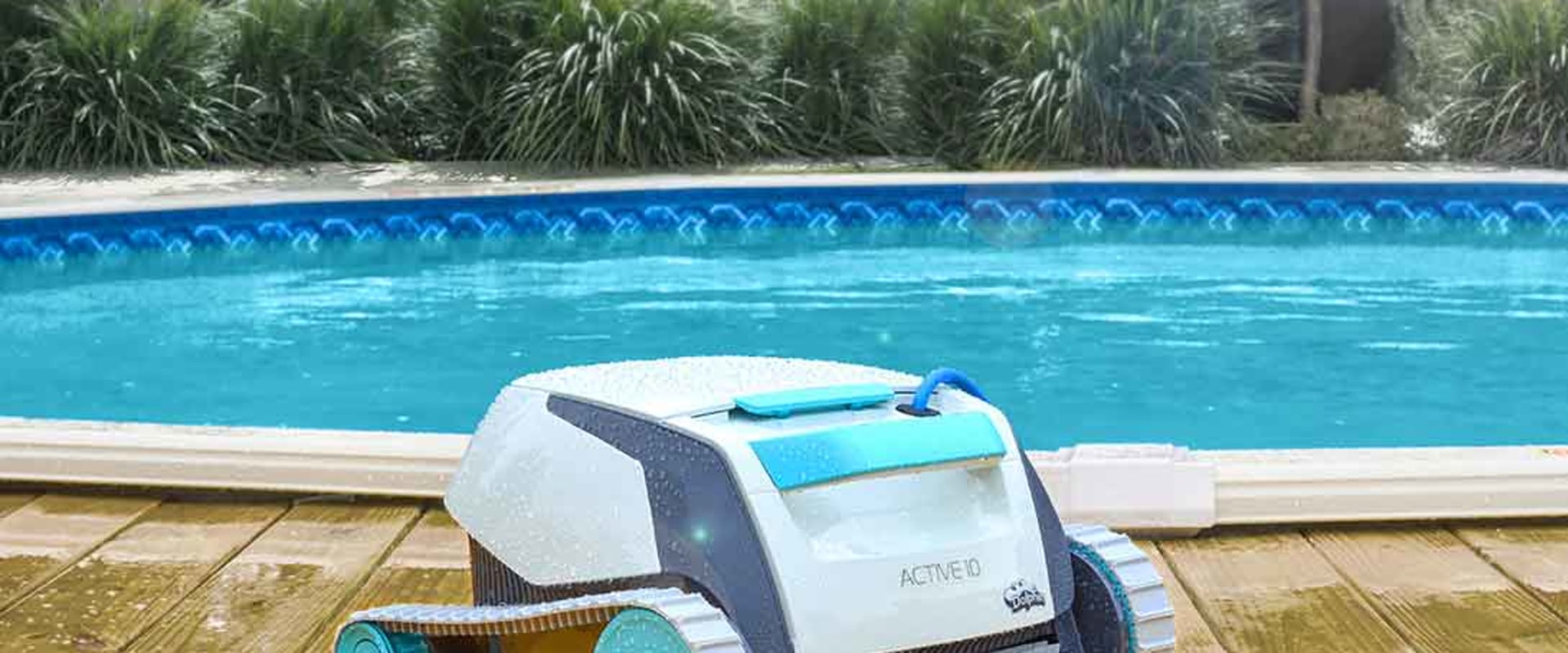
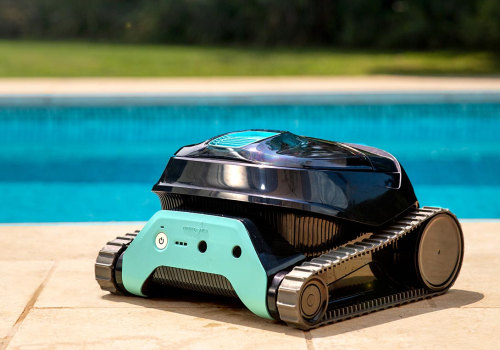
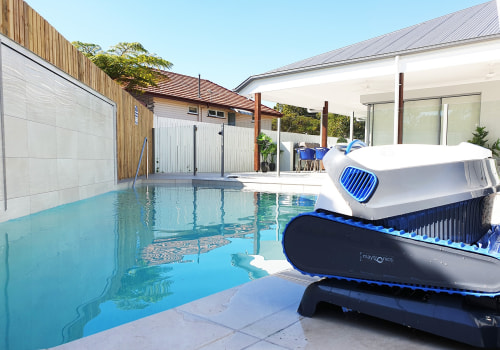
When it comes to maintaining a pristine swimming pool, understanding the various types of pool cleaners available is crucial. Among these, robotic pool cleaners have emerged as a game-changer in the realm of pool maintenance. Unlike traditional cleaning methods that often require manual labor and time-consuming efforts, robotic cleaners offer an automated solution that not only saves time but also enhances the overall cleanliness of your pool. With their advanced technology and efficient design, these machines are engineered to tackle dirt, debris, and algae with minimal human intervention. Robotic pool cleaners come in several varieties, each designed to cater to different pool shapes, sizes, and cleaning needs.
For instance, some models are equipped with smart navigation systems that allow them to map out the pool's layout, ensuring comprehensive coverage without missing any spots. Others feature powerful suction capabilities that can handle larger debris, making them ideal for pools surrounded by trees or heavy foliage. Additionally, many robotic cleaners are designed with energy efficiency in mind, allowing them to operate on low power while still delivering exceptional cleaning results. The benefits of investing in a robotic pool cleaner extend beyond just convenience. These machines are known for their ability to reduce chemical usage by effectively removing contaminants from the water.
This not only leads to a healthier swimming environment but also helps in prolonging the lifespan of your pool equipment. Furthermore, many robotic models come with programmable settings and remote control options, giving you the flexibility to schedule cleanings at your convenience. As you explore the world of pool cleaners , it becomes evident that robotic options stand out for their efficiency, effectiveness, and ease of use.
Factors Affecting the Lifespan of Your Pool Robot
The lifespan of your pool robot is influenced by a variety of factors that can either enhance or diminish its longevity. Understanding these factors is essential for pool owners who want to maximize their investment in pool cleaners.Here are some key elements that play a significant role in determining how long your robotic pool cleaner will last:
- Frequency of Use: The more often you use your pool robot, the more wear and tear it will experience. Regular cleaning sessions can lead to quicker degradation of components such as brushes and filters. If you have a large pool or frequently host gatherings, consider investing in a higher-quality model designed for heavy use.
- Environmental Conditions: The environment in which your pool is located can significantly impact the lifespan of your robot. Factors such as exposure to harsh sunlight, extreme temperatures, and debris accumulation can lead to faster deterioration.
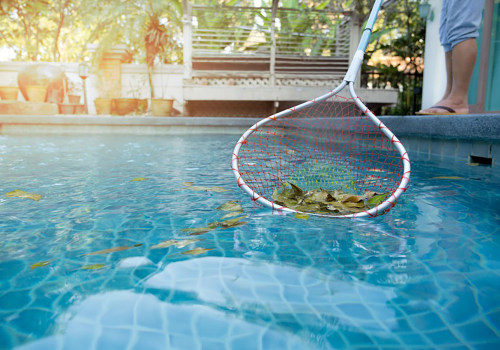
For instance, pools located in areas with heavy foliage may require more frequent cleaning, which can strain the robot's components.
- Maintenance Practices: Proper maintenance is crucial for extending the life of your pool cleaner. Regularly check and clean the filters, brushes, and tracks to prevent clogs and ensure optimal performance. Following the manufacturer's guidelines for maintenance will help you avoid unnecessary repairs and replacements.
- Quality of Components: The materials used in the construction of your pool robot can also affect its durability. Higher-end models often feature robust materials that withstand wear better than cheaper alternatives.
Investing in a quality robot may have a higher upfront cost but can save you money in the long run by reducing replacement frequency.
- Storage Conditions: When not in use, how you store your pool robot matters. Keeping it in a cool, dry place away from direct sunlight can prevent damage to its components. Avoid leaving it submerged in water for extended periods, as this can lead to corrosion and other issues.
Essential Maintenance Tips for Your Pool Robot
Maintaining your pool robot is essential for ensuring its longevity and optimal performance.By following a few straightforward maintenance tips, you can keep your robotic pool cleaner in top shape, allowing it to efficiently clean your pool for years to come.
Regular Cleaning Procedures
One of the most critical aspects of maintaining your pool robot is regular cleaning. Here are some steps to follow:- Remove Debris: After each use, inspect the robot for any debris such as leaves, twigs, or dirt. Remove any visible debris to prevent clogging.
- Clean the Filters: The filters are crucial for capturing dirt and debris. Rinse them with a hose to remove trapped particles.
Depending on usage, clean or replace the filters every 1-2 weeks.
- Inspect the Brushes: Check the brushes for wear and tear. If they appear worn down or damaged, replace them to ensure effective cleaning.
Proper Storage Recommendations
When your pool robot is not in use, proper storage is vital to protect it from environmental factors:- Dry Before Storing: Always allow your robot to dry completely before storing it. This helps prevent mold and mildew growth.
- Avoid Direct Sunlight: Store your pool cleaner in a shaded area or indoors to protect it from UV rays that can degrade its materials over time.
- Use a Storage Bag: Consider using a protective storage bag designed for pool robots. This can help keep dust and debris away while also providing an extra layer of protection.
Troubleshooting Common Issues
If you encounter problems with your pool robot, here are some common issues and their solutions:- Robot Not Moving: Check for blockages in the wheels or tracks.
Clear any debris that may be obstructing movement.
- Poor Cleaning Performance: Ensure that the filters are clean and that the brushes are in good condition. If performance issues persist, consult the manufacturer’s guidelines.
- Batteries Not Charging: If your robot has rechargeable batteries, ensure they are properly connected and check for any signs of damage. Replace batteries if necessary.
Common Issues and How to Troubleshoot Them
Robotic pool cleaners are designed to make pool maintenance easier, but like any mechanical device, they can encounter issues over time.Understanding common problems and how to troubleshoot them can save you time and money, ensuring your pool robot operates efficiently.
1.Pool Robot Not Starting
- Check the Power Source: Ensure that the power supply is plugged in and functioning. If the cleaner uses batteries, verify that they are charged and properly installed.
- Inspect the Cables: Look for any visible damage to the power cable. Frayed or broken cables can prevent the robot from receiving power.
- Reset the Unit: Sometimes, a simple reset can resolve issues. Unplug the cleaner for a few minutes before plugging it back in.
2.Incomplete Cleaning
- Check for Blockages: Debris such as leaves or twigs can clog the brushes or filters.
Regularly inspect and clean these components to ensure optimal performance.
- Adjust Cleaning Schedule: If your robot is not cleaning effectively, consider adjusting its cleaning schedule or cycle duration to better suit your pool's needs.
- Inspect Navigation System: If the robot is getting stuck or missing spots, check for any obstructions in its path and ensure that the navigation system is functioning correctly.
3.Robot Stopping Mid-Cycle
- Battery Issues: If your pool cleaner uses rechargeable batteries, they may be nearing the end of their lifespan. Consider replacing them if they no longer hold a charge.
- Overheating: Continuous operation without breaks can cause overheating. Allow your robot to cool down before restarting it.
- Check for Software Updates: Some advanced models may require software updates to function correctly. Refer to the manufacturer’s website for instructions on how to update your device.
4.Poor Suction Power
- Clean Filters: Dirty filters can significantly reduce suction power.
Clean or replace filters regularly as per the manufacturer's recommendations.
- Inspect Hoses: Ensure that hoses are free from kinks or blockages that could impede water flow.
- Check for Leaks: Inspect all connections for leaks that could affect suction efficiency.
Choosing the Right Pool Robot for Longevity
When it comes to ensuring the longevity of your pool robot, selecting the right model is crucial. With a plethora of options available, understanding what features contribute to durability and performance can help you make an informed decision.Key Features to Consider
- Build Quality: Look for pool robots constructed with high-quality materials such as durable plastics and corrosion-resistant components. A robust design can withstand the rigors of regular use and exposure to pool chemicals.
- Motor Power: A powerful motor enhances the cleaning efficiency of your robot.
Models with strong motors can navigate through various pool surfaces and tackle debris more effectively, reducing wear and tear over time.
- Filter System: An efficient filtration system is essential for maintaining water clarity and reducing the frequency of filter replacements. Opt for models with easy-to-clean filters that can capture fine debris without clogging.
- Cable Length: Ensure that the cable length is adequate for your pool size. A longer cable allows for better maneuverability, preventing tangling and potential damage during operation.
- Warranty: A longer warranty period often indicates manufacturer confidence in their product's durability. Look for models that offer at least a two-year warranty, which can provide peace of mind regarding your investment.
Brands Known for Durability
Certain brands have established a reputation for producing reliable and long-lasting pool cleaners.
Here are a few noteworthy options:
- Dolphin: Renowned for their innovative technology and robust construction, Dolphin pool robots are designed to last, often featuring advanced navigation systems and powerful cleaning capabilities.
- Pool Rover: This brand offers versatile models that are well-suited for various pool types. Their durable design and effective cleaning performance make them a popular choice among pool owners.
- Hayward: Known for their high-quality pool equipment, Hayward robotic cleaners combine durability with advanced features, ensuring efficient cleaning while standing the test of time.
Seasonal Care: Preparing Your Pool Robot for Different Weather Conditions
Maintaining your pool robot throughout the changing seasons is crucial for its longevity and performance. Each season presents unique challenges that can affect your pool cleaner, and understanding how to prepare it for different weather conditions will ensure it operates efficiently year-round.Winterizing Your Pool Robot
As temperatures drop, it's essential to take specific steps to protect your pool robot from the harsh winter elements.Here are some key actions to consider:
- Thorough Cleaning: Before storing your pool robot for the winter, give it a comprehensive cleaning. Remove any debris, dirt, or algae that may have accumulated during the swimming season. This prevents buildup that could damage the components over time.
- Drying: Ensure that your pool cleaner is completely dry before storage. Moisture can lead to mold and mildew growth, which can harm the internal mechanisms.
- Battery Care: If your model has a rechargeable battery, follow the manufacturer's guidelines for winter storage.
Some batteries may need to be charged periodically during the off-season to maintain their lifespan.
- Storage Location: Store your pool robot in a cool, dry place away from direct sunlight and extreme temperatures. A garage or shed is ideal for protecting it from freezing conditions.
Summer Care for Pool Robots
The summer months bring increased usage of your pool robot as more time is spent enjoying the water. To keep your pool cleaner functioning optimally during this busy season, consider these maintenance tips:- Regular Inspections: Frequently check your pool robot for any signs of wear and tear. Look for frayed cables, damaged brushes, or clogged filters that could hinder performance.
- Cleaning Schedule: Establish a consistent cleaning schedule based on pool usage.
More frequent cleanings may be necessary if you have a lot of swimmers or if debris accumulates quickly due to nearby trees or landscaping.
- Monitor Water Chemistry: Maintaining balanced water chemistry is vital not only for your pool but also for your robot. High levels of chlorine or other chemicals can corrode parts of the cleaner over time.
- Post-Cleaning Maintenance: After each use, rinse off your pool robot with fresh water to remove any chemicals or debris that could cause damage. This simple step can significantly extend its lifespan.
Warranty and Support: Understanding Coverage for Your Pool Robot
When investing in a pool robot, understanding the warranty and support options available is crucial for ensuring long-term satisfaction and performance.A warranty serves as a safety net, protecting your investment against manufacturing defects and providing peace of mind. However, not all warranties are created equal, and knowing what to expect can help you make an informed decision.
Types of Warranties
- Limited Warranty: Most pool robots come with a limited warranty that covers specific parts and labor for a designated period, typically ranging from one to three years. This warranty often excludes wear-and-tear items like brushes and filters.
- Extended Warranty: Some manufacturers offer extended warranties for an additional fee. This option can provide coverage beyond the standard period, which is beneficial for high-use environments.
- Lifetime Warranty: A few premium models may offer lifetime warranties on certain components, but these often come with strict conditions regarding maintenance and usage.
What to Look for in Warranty Coverage
When evaluating warranty options, consider the following:
- Duration: Check how long the warranty lasts and what it covers.
A longer warranty period can indicate manufacturer confidence in their product.
- Coverage Details: Understand what parts are covered under the warranty. Look for coverage on critical components like motors and circuit boards, as these are often the most expensive to repair or replace.
- Exclusions: Be aware of any exclusions that may apply. Common exclusions include damage caused by improper use, neglect, or environmental factors.
Customer Support: A Key Component
A strong customer support system is just as important as warranty coverage. When issues arise with your pool robot, having access to knowledgeable support can make all the difference.
Here are some aspects to consider:
- Availability: Check if customer support is available via multiple channels such as phone, email, or live chat. Quick access to help can save you time and frustration.
- Response Time: Research customer reviews to gauge how quickly the support team responds to inquiries. Efficient service can significantly enhance your experience.
- Troubleshooting Resources: Many manufacturers provide online resources such as FAQs, troubleshooting guides, and instructional videos that can help you resolve minor issues without needing direct support.
Conclusion: Maximizing the Lifespan of Your Pool Robot
In conclusion, extending the lifespan of your pool robot is not just about investing in a quality machine; it also involves a commitment to regular maintenance and care.Throughout this guide, we have explored various strategies that can significantly enhance the durability and efficiency of your robotic pool cleaner. First and foremost, understanding the specific needs of your pool cleaner is essential. Each model comes with its own set of guidelines and recommendations from the manufacturer. Adhering to these instructions ensures that you are using the robot as intended, which can prevent unnecessary wear and tear. Regular cleaning of the robot itself is another critical aspect. Debris accumulation on the brushes, filters, and tracks can hinder performance and lead to malfunctions.
Make it a habit to inspect and clean these components after each use. This simple practice can help maintain optimal functionality and extend the life of your device. Additionally, consider the environment in which your pool robot operates. Factors such as water chemistry, pool size, and frequency of use all play a role in determining how long your cleaner will last. Maintaining balanced water chemistry not only protects your pool but also safeguards the internal components of your robot from corrosion and damage. Moreover, storing your pool robot properly during off-seasons is crucial.
Keeping it in a dry, shaded area away from extreme temperatures can prevent deterioration of its materials. If possible, remove any batteries or power sources to avoid potential leaks or corrosion. Finally, don’t overlook the importance of monitoring performance. If you notice any irregularities in how your pool cleaner operates—such as unusual noises or erratic movements—address these issues promptly. Early intervention can often prevent more significant problems down the line. By implementing these practices, you can maximize the lifespan of your pool robot, ensuring that it continues to provide efficient cleaning for years to come.
Remember, a well-maintained pool cleaner not only saves you time but also enhances your overall pool experience.