Clear guidance for cleaner pools.
The Best Time to Run Your Pool Pump: Expert Tips and Advice for Optimal Pool Cleanliness
Discover the best times to run your pool pump for cleanliness and efficiency. Expert tips for maintaining a safe swimming environment.

When it comes to maintaining a pristine swimming pool, the pool pump is an essential component that often goes unnoticed. This vital piece of equipment is responsible for circulating water, ensuring that it remains clean, clear, and safe for swimmers. Without a properly functioning pool pump, even the most beautiful pool can quickly become a breeding ground for algae and bacteria, posing health risks to anyone who takes a dip. Understanding the role of your pool pump is crucial for any pool owner who wants to enjoy a safe and inviting swimming environment. The primary function of a pool pump is to move water through the filtration system, which removes debris, dirt, and contaminants.
This process not only keeps the water looking appealing but also helps maintain the chemical balance necessary for safe swimming. A well-maintained pool pump can significantly reduce the need for harsh chemicals and extensive cleaning efforts, making it an invaluable asset in your pool maintenance routine. Moreover, regular circulation of water helps distribute chemicals evenly throughout the pool, enhancing their effectiveness in keeping the water sanitized. In addition to its cleaning capabilities, the importance of a pool pump extends to energy efficiency and cost savings. By running your pump at optimal times and ensuring it operates efficiently, you can minimize energy consumption and lower your utility bills.
This is particularly important as energy costs continue to rise. Understanding when and how long to run your pump can make a significant difference in both your pool's cleanliness and your overall maintenance expenses. As we delve deeper into the best practices for operating your pool pump, it becomes clear that timing plays a pivotal role in maximizing its effectiveness. Whether you choose to run your pump during the day or at night, knowing how to optimize its operation will not only enhance your pool's cleanliness but also contribute to a safer swimming experience for you and your family.
Daytime vs. Nighttime: When Should You Run Your Pool Pump?
When it comes to maintaining a clean and safe swimming pool, one of the most critical decisions pool owners face is whether to run their pool pump during the day or at night.Each option has its own set of advantages and disadvantages, and understanding these can help you make an informed choice that aligns with your specific needs.
Benefits of Daytime Pool Pump Operation
Running your pool pump during the day offers several benefits:- Algae Prevention: Sunlight can promote algae growth in your pool. By operating the pump during peak sunlight hours, you can effectively circulate chlorine and other sanitizers, helping to keep algae at bay.
- Debris Removal: Daytime operation allows for better visibility, making it easier to spot and remove debris such as leaves and insects. This proactive approach can enhance the overall cleanliness of your pool.
- Shorter Run Times: You may find that running the pump in shorter intervals throughout the day is more effective. This can lead to reduced energy consumption while still maintaining water quality.
Drawbacks of Daytime Pool Pump Operation
However, there are also some drawbacks to consider:- Higher Energy Costs: Running your pump during peak hours may lead to higher electricity bills, especially if you are on a time-of-use rate plan.
- Interference with Pool Use: If you have family or friends over for a swim, daytime operation might disrupt your enjoyment of the pool.
Advantages of Nighttime Pool Pump Operation
On the other hand, running your pool pump at night has its own unique benefits:- Cost Savings: Electricity rates are often lower during off-peak hours, which can lead to significant savings on your energy bill.
- Enhanced Chlorine Efficiency: Chlorine works best when it has time to circulate without interference from sunlight.
Running the pump at night allows for optimal chlorine distribution and effectiveness.
- No Disruption: Nighttime operation ensures that your swimming experience remains uninterrupted, allowing you to enjoy your pool without the noise of the pump.
Considerations for Your Decision
Your choice between daytime and nighttime operation should take into account several factors:- Your Schedule: Consider when you and your family use the pool most frequently. If evenings are prime swimming time, nighttime operation may be preferable.
- Local Climate: In hotter climates, daytime operation may be more beneficial for combating heat-related issues like algae growth.
- Energy Costs: Review your electricity rates and consider investing in a variable-speed pump that can adjust its operation based on demand.
Benefits of Running Your Pool Pump During the Day
Running your pool pump during the day offers several significant advantages that can enhance the overall quality and safety of your pool water. One of the primary benefits is its effectiveness in combating algae growth.During daylight hours, the sun's rays can promote algae proliferation, especially in warmer months. By operating your pump when the sun is at its peak, you can ensure that water is continuously circulated, which helps to distribute chemicals evenly and reduce the likelihood of algae taking hold. Moreover, daytime operation allows for optimal chemical distribution. When you run your pool pump during the day, it aids in mixing chlorine and other sanitizers throughout the water. This is particularly important because sunlight can degrade chlorine levels quickly.
By circulating the water while the sun is shining, you help maintain effective sanitizer levels, ensuring that your pool remains clean and safe for swimming. Another advantage of running your pump during daylight hours is the ability to monitor and address any issues more effectively. When you are outside enjoying your pool, you can easily spot debris accumulation or changes in water clarity. This immediate feedback allows you to adjust your cleaning routine or chemical balance as needed, ensuring that your pool remains in top condition. Additionally, operating your pump during the day can lead to energy savings. Many utility companies offer lower rates during off-peak hours; however, if you are using a variable-speed pump, running it at a lower speed during the day can still be cost-effective while providing adequate circulation.
This means you can enjoy a clean pool without incurring high energy costs. In summary, running your pool pump during the day not only helps combat algae growth and optimize chemical distribution but also allows for better monitoring of pool conditions and potential energy savings. By taking advantage of these benefits, you can ensure that your pool remains a safe and enjoyable environment for all swimmers.
Advantages of Running Your Pool Pump at Night
Running your pool pump at night offers several distinct advantages that can enhance the overall maintenance and enjoyment of your swimming pool. Understanding these benefits can help you make an informed decision about your pool's operation schedule.Minimized Disruption to Swimming Activities
One of the most significant advantages of operating your pool pump at night is the minimal disruption it causes to your swimming activities. During the day, especially in the summer months, your pool is likely to be a hub of activity, with family and friends enjoying the water.
By scheduling your pump to run after hours, you ensure that swimmers are not interrupted by the noise or splashing that can occur during pump operation. This allows for a more enjoyable swimming experience without the concern of having to pause for maintenance.
Enhanced Chlorine Efficiency
Another key benefit of nighttime operation is the improved effectiveness of chlorine in maintaining water quality. Chlorine works best when it has time to circulate and interact with contaminants in the water. Running your pump at night allows chlorine to distribute evenly throughout the pool without interference from sunlight, which can degrade its effectiveness.
This means that you can achieve a cleaner and safer swimming environment, as chlorine levels remain stable and effective for longer periods.
Lower Energy Costs
Operating your pool pump at night can also lead to potential savings on energy costs. Many utility companies offer lower rates during off-peak hours, which typically include nighttime. By taking advantage of these lower rates, you can significantly reduce your electricity bill while still maintaining a clean and healthy pool. Additionally, modern variable-speed pumps are designed to be more energy-efficient, allowing you to run them longer without incurring high costs.
Reduced Evaporation Rates
Nighttime operation can also help mitigate water loss due to evaporation.
During the day, especially in hot weather, pools can lose a significant amount of water through evaporation. By running your pump at night when temperatures are cooler, you can help maintain water levels more effectively. This not only conserves water but also reduces the need for frequent refills, which can save you money in the long run.
Improved Water Clarity
Finally, running your pool pump at night contributes to better overall water clarity. With less debris and contaminants accumulating during peak swimming hours, nighttime circulation helps keep your pool looking pristine.
The combination of effective filtration and chemical distribution ensures that your pool remains inviting and safe for use. In summary, operating your pool pump at night provides numerous benefits including reduced disruption during swimming hours, enhanced chlorine efficiency, potential energy savings, decreased evaporation rates, and improved water clarity. By considering these advantages, you can optimize your pool maintenance routine and enjoy a cleaner, safer swimming environment.
Maximizing Efficiency: Tips for Running Your Pool Pump
To ensure your pool pump operates at peak efficiency, it’s essential to implement a few practical strategies. These tips not only help in maintaining clean and clear water but also contribute to significant cost savings on your energy bills.- Choose the Right Pump Size: Selecting a pump that is appropriately sized for your pool is crucial. A pump that is too small will struggle to circulate water effectively, while an oversized pump can lead to unnecessary energy consumption.
Consult with a pool professional to determine the best size for your specific pool dimensions.
- Utilize a Timer: Installing a timer on your pool pump can help automate its operation. This allows you to run the pump during off-peak hours or when energy rates are lower, maximizing efficiency and reducing costs.
- Regular Maintenance: Keeping your pool pump and filter clean is vital for optimal performance. Regularly check and clean the skimmer and pump baskets, as well as backwash or clean the filter as needed. A clogged filter can significantly reduce water flow and increase energy usage.
- Monitor Water Levels: Ensure that your pool water levels are adequate.
Low water levels can cause the pump to work harder than necessary, leading to increased wear and tear. Maintain proper levels to ensure efficient operation.
- Optimize Pump Run Time: Instead of running your pump for long, continuous periods, consider breaking up the run time into shorter intervals throughout the day. This method can be more effective in keeping the water clean while using less energy overall.
- Invest in a Variable-Speed Pump: If you’re looking for long-term savings, consider upgrading to a variable-speed pump. These pumps allow you to adjust the speed based on your needs, using less energy compared to traditional single-speed pumps.
- Use Pool Cleaners Wisely: If you have automatic pool cleaners, coordinate their operation with your pump schedule.
Running them simultaneously can enhance cleaning efficiency and ensure that debris is effectively removed from the pool.
Understanding Pool Cleaners and Their Relationship with Your Pump
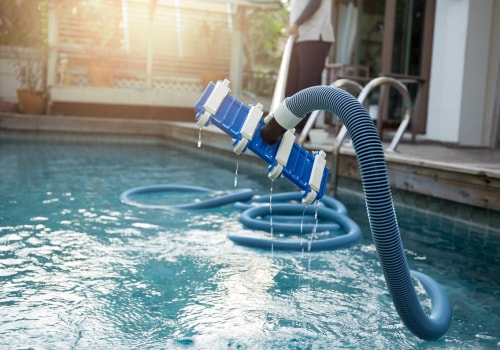
Maintaining a clean and inviting pool is essential for any pool owner, and understanding the role of pool cleaners in conjunction with your pump is crucial for achieving optimal cleanliness and efficiency. Pool cleaners come in various types, each designed to work harmoniously with your pool pump to ensure that debris is effectively removed and water circulation is maximized.Types of Pool Cleaners
- Automatic Suction Cleaners: These cleaners attach to your pool's skimmer or dedicated suction line and use the suction created by the pump to move around the pool. They are effective at picking up dirt and debris from the pool floor.
- Pressure-Side Cleaners: These cleaners utilize the pressure from the return jets of your pool pump to propel themselves around the pool.
They often have their own bag or filter to collect debris, which can help reduce the load on your main filtration system.
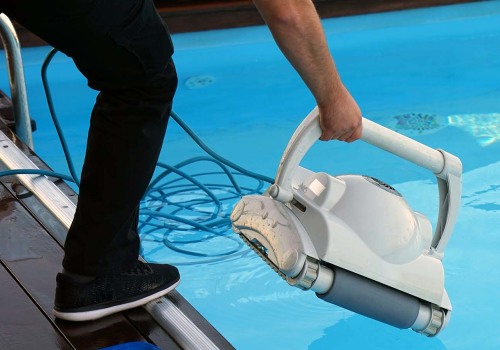
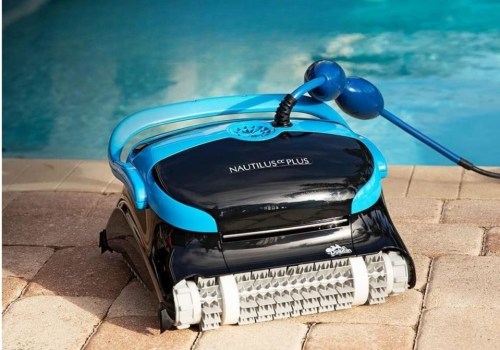
- Robotic Cleaners: These are self-contained units that operate independently of your pool pump. They have their own filtration systems and can be programmed to clean specific areas of the pool. While they may require an initial investment, they are highly efficient and can save on energy costs in the long run.
How Pool Cleaners Work with Pumps
The interaction between your pool cleaner and pump is vital for maintaining water clarity. When you run your pool pump, it creates suction or pressure that allows these cleaners to function effectively.For instance, automatic suction cleaners rely on the pump's suction power to navigate through the water, while pressure-side cleaners depend on the water pressure generated by the pump. Moreover, running your pump during optimal hours can enhance the performance of these cleaners. For example, if you operate your pump during peak sunlight hours, it not only helps in circulating chemicals but also allows for better debris removal as the cleaner works in tandem with the pump's flow rate. In conclusion, understanding how different types of pool cleaners interact with your pool pump can significantly improve your pool maintenance routine. By selecting the right cleaner for your setup and ensuring that your pump operates efficiently, you can enjoy a sparkling clean pool all season long.
Common Mistakes to Avoid When Running Your Pool Pump
Maintaining a clean and safe swimming pool requires more than just running your pool pump; it involves understanding how to operate it effectively. Many pool owners make common mistakes that can lead to inefficient cleaning, increased energy costs, and even damage to the pool system.Here are some frequent errors to avoid when running your pool pump:
- Inconsistent Pump Operation: One of the most common mistakes is not running the pump consistently. Many owners believe that running the pump for a few hours a day is sufficient, but this can lead to poor water circulation and inadequate filtration. Aim to run your pump for at least 8 hours a day during peak swimming season, adjusting based on pool usage and environmental factors.
- Ignoring Filter Maintenance: The filter is a crucial component of your pool's cleaning system. Neglecting to clean or replace the filter regularly can cause it to become clogged, reducing its efficiency.
Check your filter monthly and clean or replace it as needed to ensure optimal performance.
- Overlooking Water Chemistry: Running your pump without monitoring water chemistry is another mistake. Proper chemical balance is essential for effective sanitation. Regularly test your pool water and adjust pH, alkalinity, and chlorine levels accordingly. A well-balanced pool allows the pump to work more efficiently.
- Setting Incorrect Timer Settings: Many pool owners set their timers without considering peak usage times or environmental conditions.
For instance, running the pump during the hottest part of the day can lead to evaporation and increased energy costs. Instead, consider running your pump during cooler hours or at night when electricity rates may be lower.
- Neglecting Pump Location: The placement of your pool pump can significantly impact its efficiency. Ensure that the pump is located in a shaded area to prevent overheating and reduce energy consumption. Additionally, keep the area around the pump clear of debris to allow for proper airflow.
Regular maintenance and attention to detail will not only prolong the life of your equipment but also save you money in the long run.
The Importance of Regular Maintenance for Your Pool Pump
Regular maintenance of your pool pump is essential for ensuring its optimal performance and longevity. A well-maintained pump not only enhances the efficiency of your pool cleaning system but also contributes significantly to the overall health of your swimming pool. Neglecting this crucial component can lead to a host of problems, including poor water quality, increased energy costs, and even costly repairs.Why Maintenance Matters
- Efficiency: A clean and well-functioning pump operates more efficiently, which means it uses less energy to circulate water. This can lead to lower electricity bills and a reduced environmental impact.
- Water Quality: The pump plays a vital role in maintaining water clarity and sanitation.
Regular maintenance ensures that the pump effectively removes debris and circulates chemicals, preventing algae growth and bacteria buildup.
- Longevity: Just like any mechanical device, regular upkeep can extend the lifespan of your pool pump. Simple tasks such as cleaning filters and checking for leaks can prevent more significant issues down the line.
Key Maintenance Tasks
- Inspect and Clean Filters: Regularly check your pump's filters for clogs or debris. Cleaning or replacing filters as needed will ensure optimal water flow and reduce strain on the pump.
- Check for Leaks: Inspect all connections and hoses for leaks. Addressing leaks promptly can prevent water loss and maintain pressure within the system.
- Monitor Pump Performance: Keep an eye on the pump's operation.
Unusual noises or changes in flow rate can indicate underlying issues that need immediate attention.
- Lubricate Moving Parts: Ensure that all moving parts are adequately lubricated to reduce friction and wear, which can lead to premature failure.
Conclusion
In summary, regular maintenance of your pool pump is not just a recommendation; it is a necessity for maintaining a clean, safe, and enjoyable swimming environment. By investing time in routine checks and upkeep, you can ensure that your pool remains a refreshing oasis while also saving money on energy costs and repairs in the long run.
FAQs About Running Your Pool Pump Effectively
When it comes to maintaining a clean and safe swimming pool, understanding how to run your pool pump effectively is crucial. Here are some frequently asked questions that can help clarify common concerns about pool pumps.How long should I run my pool pump each day?
The general recommendation is to run your pool pump for at least 8 hours a day during the summer months when the pool is in heavy use. However, this can vary based on factors such as pool size, usage frequency, and local climate.For smaller pools or during cooler months, you might only need to run it for 4 to 6 hours .
Is it better to run the pump continuously or in intervals?
Running your pump in intervals can be more efficient than running it continuously. For instance, you can divide the total runtime into two or three shorter sessions throughout the day. This method not only saves energy but also allows for better circulation and filtration of the water.What time of day is best to run my pool pump?
The best time to operate your pool pump often depends on your specific needs. Running it during the day can help combat algae growth due to sunlight exposure, while nighttime operation allows chlorine to work more effectively without interference from sunlight.Consider your schedule and choose a time that aligns with your lifestyle.
Do I need to run my pump if it rains?
Yes, you should still run your pump during and after rain. Rainwater can introduce debris and contaminants into your pool, so running the pump helps circulate and filter out these impurities. Additionally, if you have a lot of rain, it’s wise to check the water level and adjust as necessary.How do I know if my pool pump is working efficiently?
To determine if your pool pump is functioning properly, monitor the water clarity and cleanliness. If you notice cloudy water or debris accumulation, it may indicate that the pump isn’t circulating effectively.Regularly check the pressure gauge on your filter; if it’s too high or too low, it may require maintenance.
Can I use a timer for my pool pump?
Absolutely! Using a timer can help automate the operation of your pool pump, ensuring it runs for the optimal amount of time without requiring manual intervention. This not only saves energy but also helps maintain consistent water quality. By addressing these common questions about running a pool pump, you can enhance your understanding and ensure that your pool remains clean and inviting all season long.Conclusion: Finding the Right Balance for Your Pool Maintenance Routine
In conclusion, determining the best time to run your pool pump is a crucial aspect of maintaining a clean and safe swimming environment. Throughout this article, we have explored the various benefits of operating your pump during both daytime and nighttime hours, emphasizing that the choice ultimately hinges on your individual lifestyle and preferences. Running your pool pump during the day can significantly enhance water quality by combating the sun's harmful effects. The ultraviolet rays can promote algae growth and bacteria proliferation, making it essential to circulate chlorine effectively during peak sunlight hours.This proactive approach not only helps in keeping your pool sparkling clean but also minimizes the need for extensive chemical treatments. Conversely, nighttime operation offers its own set of advantages. By running the pump after hours, you can ensure that it does not interfere with family swimming time while allowing chlorine to work more efficiently in a cooler environment. This method can also lead to longer operational periods without the worry of disrupting your daily activities. To maximize efficiency regardless of when you choose to run your pump, consider implementing a few best practices:
- Regular Maintenance: Ensure that your pool cleaning equipment is well-maintained and functioning optimally. Regularly check filters and hoses for clogs or wear.
- Smart Scheduling: If possible, utilize timers or smart technology to automate your pump's operation, ensuring it runs during optimal times without requiring constant manual adjustments.
- Energy Efficiency: Consider investing in a variable-speed pump, which can adjust its speed based on your pool's needs, ultimately saving on energy costs while maintaining cleanliness.
By weighing the pros and cons of each option and implementing effective strategies, you can ensure that your pool remains a safe and enjoyable oasis for you and your family all year round.