Clear guidance for cleaner pools.
Maximizing the Lifespan of Your Pool Vacuum: Essential Maintenance and Replacement Tips
Discover essential maintenance and replacement tips to extend the lifespan of your pool vacuum and keep your pool sparkling clean.
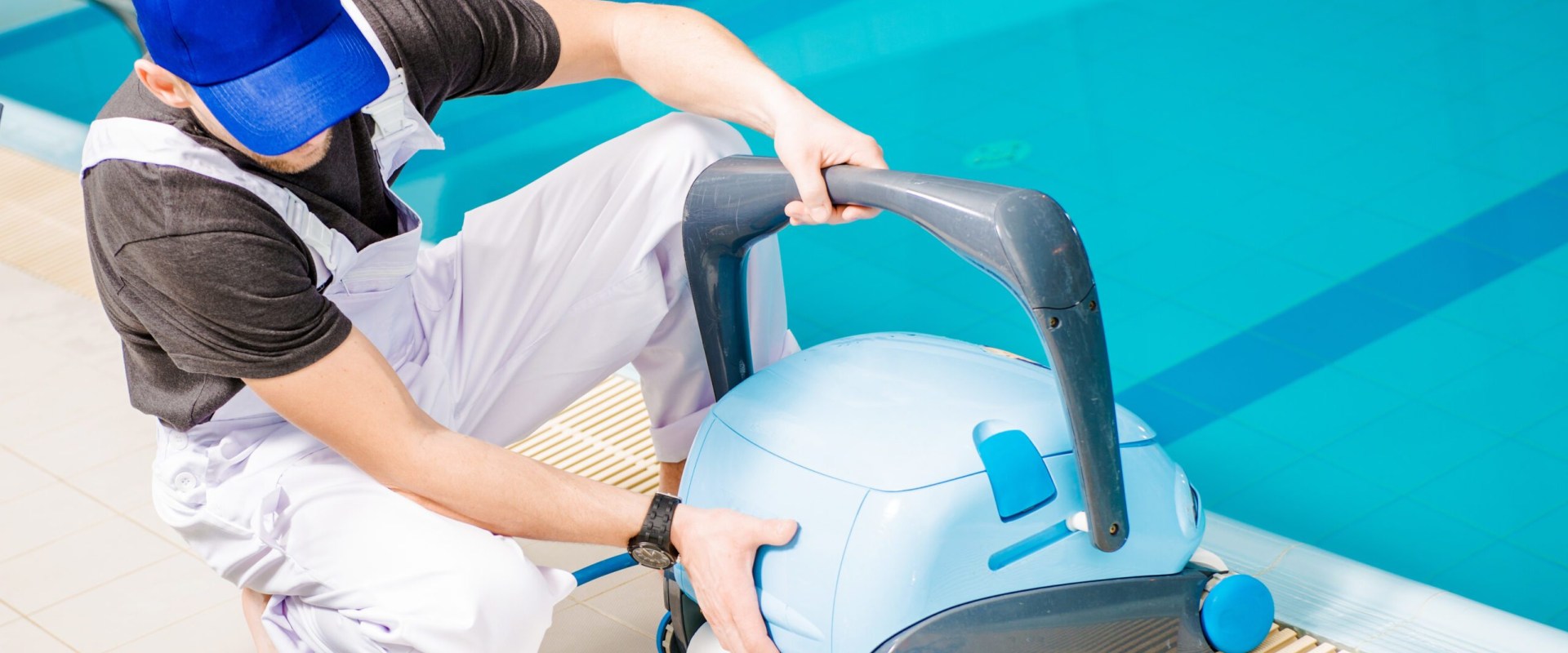
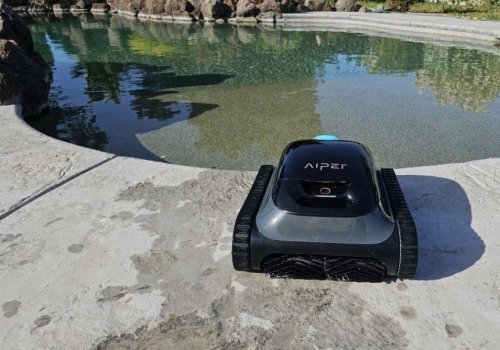
When it comes to maintaining a pristine swimming pool, understanding the various types of pool cleaners is essential for every pool owner. The right cleaner not only saves time and effort but also ensures that your pool remains free from debris, algae, and other contaminants. In this section, we will explore the two primary categories of pool cleaners: automatic and manual options, along with their unique functions and features. Automatic pool cleaners, often referred to as robotic vacuums , have gained immense popularity due to their efficiency and ease of use. These devices operate independently, navigating through the pool using advanced technology to detect dirt and debris.
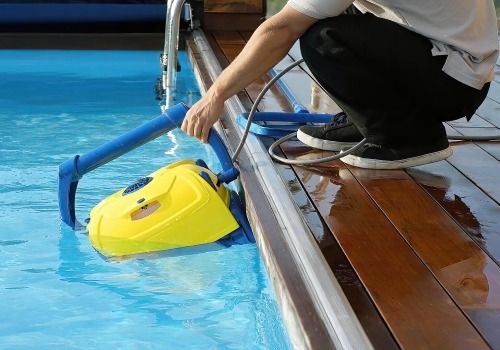
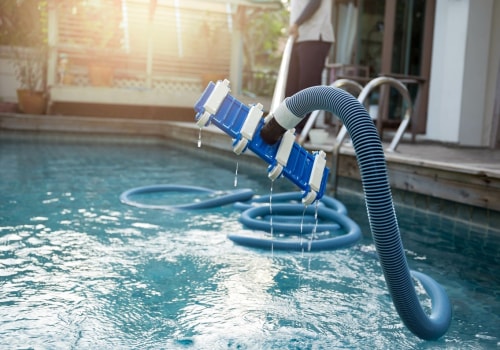
Equipped with powerful suction capabilities, they can tackle various surfaces, including tile, vinyl, and fiberglass. Many models come with programmable settings, allowing users to schedule cleaning cycles based on their preferences. This hands-free approach not only saves time but also ensures consistent cleaning performance. On the other hand, manual pool vacuums offer a more traditional approach to pool cleaning. These devices require direct human intervention, as users must guide them through the pool while vacuuming.
While they may demand more effort compared to their automatic counterparts, manual vacuums are often more affordable and can be effective for smaller pools or quick clean-ups. Understanding how each type of cleaner works is crucial for making informed decisions about maintenance and replacement. In addition to knowing the types of cleaners available, it’s important to grasp how these devices function. Automatic cleaners typically utilize a combination of suction and brushes to dislodge dirt from surfaces before collecting it in a filter bag or canister. Manual vacuums, conversely, rely on the user’s technique to ensure thorough cleaning.
By familiarizing yourself with these aspects of pool cleaners, you can better assess your needs and choose the right equipment for your specific situation.
Factors Affecting the Lifespan of Your Pool Vacuum
The lifespan of your pool vacuum is influenced by a variety of factors that can either enhance or diminish its durability. Understanding these factors is essential for any pool owner looking to maximize the longevity of their pool cleaners. Below are some key elements that play a significant role in determining how long your pool vacuum will last.- Usage Frequency: The more often you use your pool vacuum, the more wear and tear it will experience. Regular cleaning sessions can lead to quicker degradation of components such as brushes and wheels.
For instance, if you have a high-traffic pool or one that collects a lot of debris, you may find yourself vacuuming more frequently, which can shorten the lifespan of your equipment.
- Environmental Conditions: The environment in which your pool is located can significantly impact the durability of your vacuum. Pools situated in areas with heavy foliage may require more frequent cleaning due to leaves and twigs, while those in windy regions may accumulate dust and debris more rapidly. Additionally, exposure to harsh weather conditions, such as extreme heat or cold, can affect the materials used in your vacuum, leading to quicker deterioration.
- Maintenance Practices: Proper maintenance is crucial for extending the life of your pool vacuum. Regularly inspecting and cleaning the vacuum's components—such as filters, hoses, and brushes—can prevent buildup that may hinder performance.
Neglecting these tasks can lead to clogs and mechanical failures, ultimately reducing the lifespan of your cleaner.
- Quality of Components: The quality of the materials used in your pool vacuum also plays a vital role in its longevity. Higher-end models often feature durable parts designed to withstand rigorous use. Conversely, budget models may use cheaper materials that wear out more quickly. Investing in a quality vacuum can pay off in the long run by reducing the frequency of replacements.
- Storage Conditions: How you store your pool vacuum when it’s not in use can also affect its lifespan.
Leaving it submerged in water or exposed to harsh chemicals can lead to corrosion and damage. It’s advisable to store your vacuum in a cool, dry place away from direct sunlight and chemical exposure.
Essential Maintenance Tips for Pool Vacuums
Maintaining your pool vacuum is essential for ensuring its longevity and optimal performance. By following a few straightforward maintenance tips, you can keep your pool cleaner functioning effectively and extend its lifespan.Routine Cleaning
Regular cleaning of your pool vacuum is crucial.After each use, take the time to:
- Rinse the Filter: Remove the filter and rinse it with clean water to eliminate debris and dirt. A clogged filter can significantly reduce suction power.
- Inspect the Hoses: Check for any cracks or leaks in the hoses. If you notice any damage, replace them immediately to prevent loss of suction.
- Clean the Brushes: Remove any tangled hair or debris from the brushes. This will ensure that they can effectively scrub the pool surface without obstruction.
Inspecting Pool Cleaner Parts
In addition to routine cleaning, regular inspections of your pool vacuum's components are vital.Here are some key parts to focus on:
- Wheels and Tracks: Examine the wheels for wear and tear. If they are worn down, they may not navigate the pool effectively, leading to incomplete cleaning.
- Diaphragm and Gears: The diaphragm is a critical component that opens and closes during operation. Inspect it for signs of wear, as a damaged diaphragm can lead to decreased performance. Similarly, check the gears for any signs of grinding or damage.
- Cables and Connectors: Ensure that all cables are intact and securely connected.
Loose connections can lead to operational issues.
Proper Storage Practices
When your pool vacuum is not in use, proper storage is essential to prevent damage:- Avoid Leaving in Water: Do not leave your vacuum submerged in the pool when not in use. Prolonged exposure to water can lead to corrosion and damage.
- Store in a Cool, Dry Place: Keep your vacuum in a shaded area away from direct sunlight and harsh chemicals. A cool, dry environment will help preserve its components.
Common Issues and Troubleshooting Your Pool Vacuum
Pool vacuums, while essential for maintaining a clean swimming environment, can sometimes encounter issues that hinder their performance. Understanding these common problems and knowing how to troubleshoot them can save you time and money.Below are some frequent issues pool owners face with their pool cleaners and effective solutions to address them.
- Loss of Suction Power: One of the most common complaints is a noticeable decrease in suction power. This can be caused by clogged filters or hoses. To troubleshoot:
- Check the filter for debris and clean it thoroughly.
- Inspect the hose for any kinks or blockages; clear any obstructions.
- Ensure that the vacuum is properly connected to the pool's skimmer or dedicated suction line.
- Vacuum Not Moving: If your vacuum is stationary, it may be due to a malfunctioning drive mechanism or tangled cords. To resolve this issue:
- Examine the drive belts and wheels for wear and replace them if necessary.
- Unwind any tangled cords or hoses that may be preventing movement.
- Check for any obstructions in the pool that could hinder movement.
- Uneven Cleaning: If your vacuum is leaving behind debris or not cleaning certain areas effectively, consider the following steps:
- Adjust the vacuum's settings to ensure it is suitable for your pool type and size.
- Inspect the brushes and wheels; worn-out parts may need replacement.
- Ensure that the vacuum is not stuck on steps or ledges, which can prevent thorough cleaning.
- Noisy Operation: Unusual noises can indicate mechanical issues.
To troubleshoot:
- Listen for grinding sounds, which may suggest worn gears; inspect and replace as needed.
- Check for loose parts that may need tightening.
- If the noise persists, consult the manufacturer’s manual for specific guidance on your model.
When to Replace Your Pool Vacuum: Signs to Look For
Understanding when to replace your pool vacuum is crucial for maintaining a clean and inviting swimming environment. Over time, even the best pool cleaners can show signs of wear and tear, which can significantly impact their performance. Here are some key indicators that suggest it may be time to invest in a new pool vacuum.- Decreased Suction Power: One of the most noticeable signs that your pool vacuum may need replacing is a significant drop in suction power.
If you find that your vacuum is struggling to pick up debris or leaves, it could indicate that the motor is failing or that internal components are worn out.
- Frequent Repairs: If you find yourself constantly repairing your pool vacuum, it may be more cost-effective to replace it altogether. Frequent issues can indicate that the unit is nearing the end of its lifespan, and ongoing repairs can add up quickly.
- Visible Damage: Inspect your vacuum regularly for any visible signs of damage, such as cracks in the body, broken wheels, or frayed hoses. These physical damages can hinder the vacuum's ability to function properly and may warrant a replacement.
- Inconsistent Cleaning: If your pool vacuum is leaving behind dirt and debris after a cleaning cycle, it may not be operating efficiently. This inconsistency can be a sign that the brushes or filters are worn out and need replacing, or it could indicate that the entire unit needs to be replaced.
- Age of the Vacuum: Most pool vacuums have a lifespan of 5 to 7 years with proper maintenance.
If your vacuum is approaching or has surpassed this age, it might be time to consider a new model, especially if you notice any of the other signs mentioned.
Choosing the Right Replacement Parts for Your Pool Vacuum
When it comes to maintaining your pool vacuum, selecting the right replacement parts is crucial for ensuring its longevity and performance. Using high-quality components not only enhances the efficiency of your pool cleaner but also minimizes the risk of further damage to the unit. Here are some key considerations to keep in mind when choosing replacement parts for your pool vacuum:- Compatibility: Always check that the replacement parts are compatible with your specific model of pool vacuum.
Different brands and models may have unique specifications, so refer to the manufacturer’s guidelines or user manual for accurate information.
- Quality: Opt for OEM (Original Equipment Manufacturer) parts whenever possible. These parts are designed specifically for your model and often come with a warranty. While aftermarket parts may be cheaper, they can sometimes compromise performance and durability.
- Material: Look for parts made from durable materials that can withstand exposure to pool chemicals and varying water conditions. For instance, rubber components should be resistant to chlorine and UV rays to prevent premature wear.
- Functionality: Identify which parts need replacement based on their function.
Commonly replaced components include diaphragms, wheels, brushes, and hoses. Each plays a vital role in the cleaning process, so ensure you replace them with high-quality alternatives.
- Local Pool Supply Stores: Many local retailers specialize in pool maintenance products and often carry a range of replacement parts for various models.
- Online Retailers: Websites like Amazon, eBay, or specialized pool supply websites offer a vast selection of parts. Be sure to read reviews and check seller ratings before making a purchase.
- Manufacturer’s Website: Purchasing directly from the manufacturer ensures you receive genuine parts that are guaranteed to fit your vacuum model.
Professional Maintenance Services: When to Seek Help
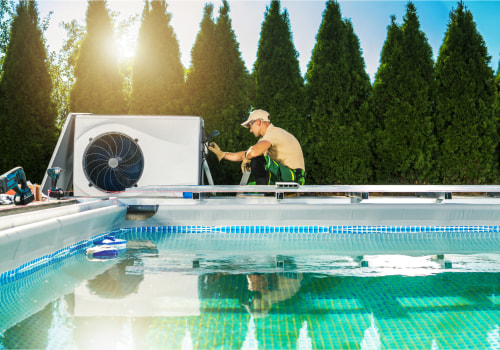
Maintaining a pool vacuum can be a straightforward task for many pool owners, but there are times when seeking professional help becomes essential.Understanding when to hire a professional for your pool cleaners can save you time, money, and ensure that your equipment operates at peak efficiency.
Signs You Need Professional Assistance
- Persistent Performance Issues: If your pool vacuum is not cleaning effectively despite regular maintenance, it may indicate deeper mechanical issues. A professional can diagnose problems that may not be immediately visible.
- Frequent Breakdowns: If you find yourself frequently replacing parts or experiencing breakdowns, it might be time to consult an expert. They can provide insights into whether your vacuum is worth repairing or if it’s time for a replacement.
- Complex Repairs: Some repairs require specialized knowledge and tools. If you encounter issues with the motor, electronics, or intricate components, hiring a professional ensures that repairs are done correctly and safely.
- Lack of Time or Expertise: Not every pool owner has the time or expertise to perform thorough maintenance.
If you feel overwhelmed by the upkeep of your pool vacuum, professional services can take this burden off your shoulders.
Benefits of Expert Services for Pool Vacuums
- Comprehensive Inspections: Professionals conduct thorough inspections that cover all aspects of your pool vacuum. They can identify potential issues before they become significant problems, extending the lifespan of your equipment.
- Quality Repairs: With access to high-quality parts and advanced tools, professionals can ensure that repairs are performed to the highest standards. This not only improves performance but also enhances safety.
- Expert Knowledge: Professionals have extensive training and experience with various models and brands of pool vacuums. Their expertise allows them to provide tailored advice on maintenance practices specific to your equipment.
- Time Savings: Hiring a professional saves you valuable time that you can spend enjoying your pool rather than maintaining it.
This is especially beneficial during peak swimming seasons when you want to maximize your leisure time.
Conclusion: Keeping Your Pool Vacuum in Top Shape
In summary, maintaining your pool vacuum is essential for ensuring a clean and enjoyable swimming experience. By adhering to the guidelines discussed throughout this article, you can significantly extend the lifespan of your pool cleaners and keep your pool in pristine condition.Regular Maintenance:
One of the most critical aspects of pool vacuum care is regular maintenance. This includes:
- Cleaning the filters and hoses to prevent clogs.
- Inspecting the wheels and brushes for wear and tear.
- Storing the vacuum properly when not in use to avoid damage from chemicals or sunlight.
Timely Replacements:
Another key point is the importance of replacing worn-out parts promptly.
Components such as diaphragms, hoses, and brushes are subject to wear and should be checked regularly. If you notice any decrease in performance or visible damage, it’s crucial to replace these parts immediately. This proactive approach not only enhances cleaning efficiency but also prevents further damage to the vacuum itself.
Consulting Professionals:
If you find yourself unsure about maintenance or repairs, don’t hesitate to consult with a pool maintenance expert. They can provide tailored advice based on your specific pool type and usage patterns, ensuring that your pool cleaners remain effective over time.
Final Thoughts:
Ultimately, a well-maintained pool vacuum can last between 5 to 8 years, depending on various factors such as usage frequency and environmental conditions.
By following these expert tips for maintenance and replacement, you can enjoy a crystal-clear pool all season long. Remember, investing time in your pool vacuum today will pay off with a cleaner, healthier swimming environment tomorrow.