Clear guidance for cleaner pools.
The Ultimate Guide to Choosing the Best Pool Cleaner: Insights from a Pool Expert
Discover expert insights on selecting the best pool cleaner for your needs. Explore types, features, and maintenance tips for a sparkling pool.
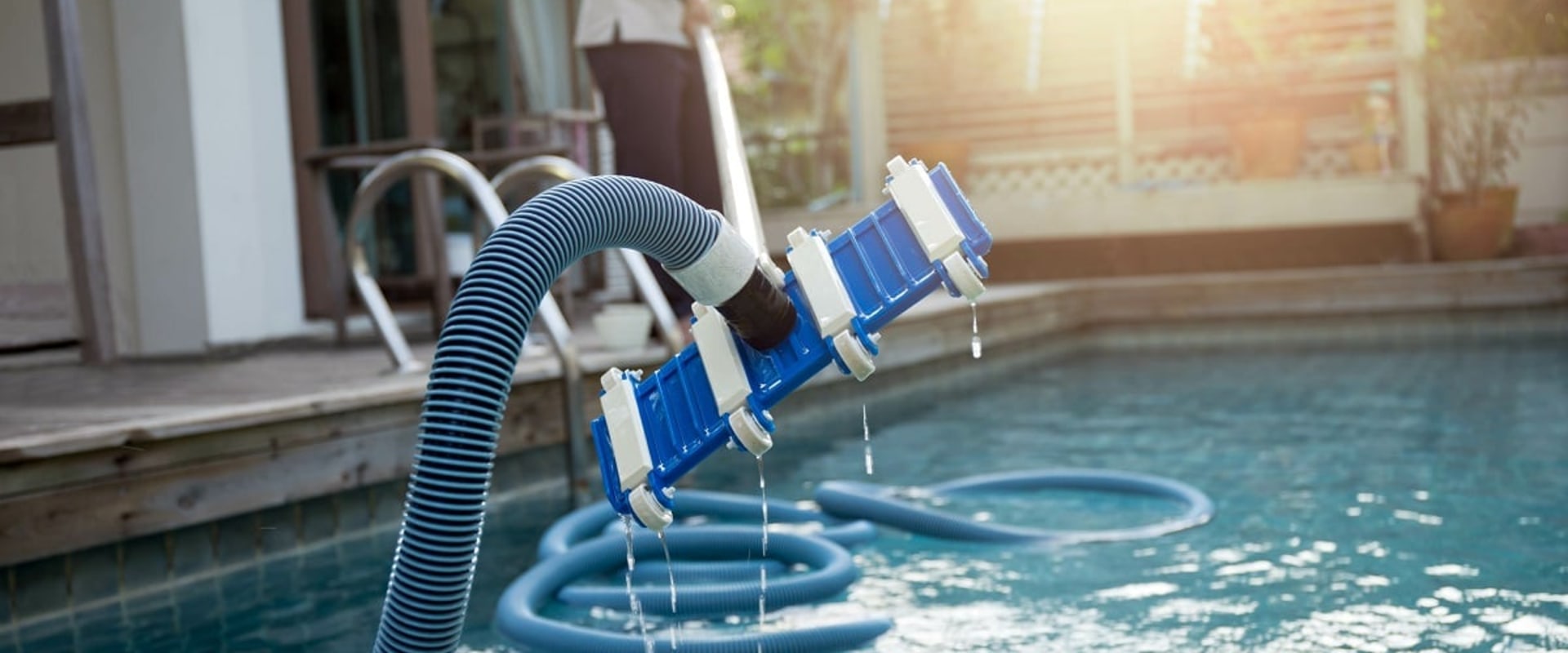
When it comes to enjoying a clean and inviting swimming pool, pool cleaners play an essential role in maintaining hygiene and ensuring a pleasant swimming experience. With the right pool cleaning technology, you can keep your pool free from debris, algae, and other contaminants that can compromise water quality. Understanding the various types of pool cleaners available is crucial for any pool owner looking to invest in a solution that meets their specific needs. There are several types of pool cleaners, each designed with unique features and functionalities to tackle different cleaning challenges. From robotic cleaners that operate autonomously to suction-side cleaners that rely on your pool's existing filtration system, the options can be overwhelming.
Additionally, pressure-side cleaners offer another alternative, utilizing water pressure to dislodge dirt and debris. Each type has its own set of advantages and disadvantages, making it important to evaluate your pool's specific requirements before making a decision. As you delve deeper into the world of pool cleaning technology, you'll discover innovations that enhance efficiency and effectiveness. Modern pool cleaners are equipped with advanced features such as programmable cleaning schedules, smart navigation systems, and specialized filters that can handle everything from fine dust to larger leaves. By understanding these technologies, you can select a cleaner that not only fits your budget but also aligns with your lifestyle and maintenance preferences. In this guide, we will explore the various types of pool cleaners in detail, helping you make an informed choice that ensures your pool remains a sparkling oasis all season long.
Whether you're a new pool owner or looking to upgrade your current cleaning system, this comprehensive overview will provide valuable insights into the best options available on the market today.
Types of Pool Cleaners
When it comes to maintaining a clean and inviting swimming pool, understanding the different types of pool cleaners is essential. Each type has its own unique mechanism, advantages, and disadvantages, making it crucial to choose the right one for your specific needs. The three primary categories of pool cleaners are robotic pool cleaners , suction pool cleaners , and pressure-side cleaners .Robotic Pool Cleaners
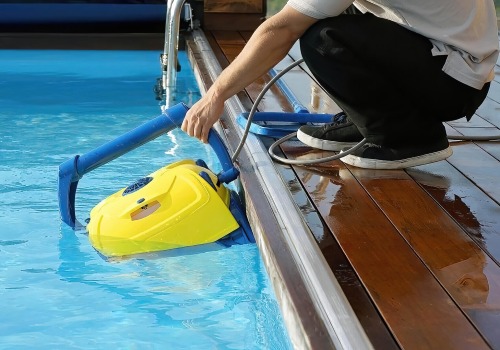
Robotic pool cleaners are often considered the most advanced option available. These self-contained units operate independently of your pool's filtration system, using their own motors and filters to clean the pool effectively.They are equipped with smart technology that allows them to navigate the pool's surface, walls, and even steps.
- Advantages:
- Efficiency: Robotic cleaners can cover every inch of your pool, including hard-to-reach corners.
- Energy Savings: They typically consume less energy compared to suction or pressure-side cleaners.
- Programmable Features: Many models allow you to set cleaning schedules and customize cleaning patterns.
- Disadvantages:
- Cost: Initial investment can be higher than other types of cleaners.
- Debris Handling: While effective for small debris, they may struggle with larger leaves or heavy debris.
Suction Pool Cleaners
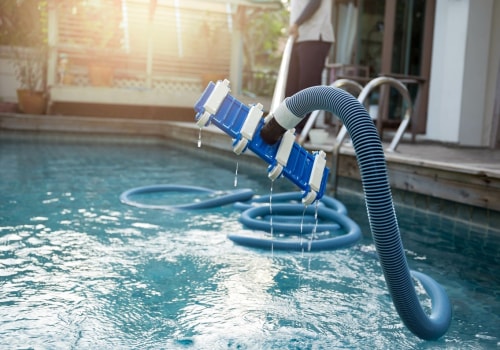
Suction pool cleaners are a more traditional option that relies on your existing pool pump and filtration system. They work by creating suction that pulls debris into the cleaner and then into the pool's filter.- Advantages:
- Affordability: Generally less expensive than robotic cleaners, making them a popular choice for budget-conscious homeowners.
- Simplicity: Easy to install and operate without needing additional power sources.
- Disadvantages:
- Limited Cleaning Ability: May not effectively clean corners or stairs as thoroughly as robotic options.
- Dependence on Pump: Performance is directly tied to the efficiency of your pool's pump and filter system.
Pressure-Side Cleaners
Pressure-side cleaners utilize water pressure from your pool's return jets to propel themselves around the pool. They collect debris in a separate bag rather than relying on the main filtration system.- Advantages:
- No Need for Pump Power: They operate independently of your main pump, which can be beneficial for pools with weaker filtration systems.
- Larger Debris Handling: More effective at picking up larger leaves and debris compared to suction cleaners.
- Disadvantages:
- Add-on Costs: Often require additional equipment like booster pumps, which can increase overall costs.
- Lesser Efficiency: May not clean as thoroughly as robotic cleaners, especially in tight spaces.
Robotic Pool Cleaners: The High-Tech Solution
Robotic pool cleaners have revolutionized the way pool owners maintain their swimming environments. These high-tech devices are designed to provide a thorough and efficient cleaning experience, making them a popular choice for many.With their advanced technology, robotic cleaners not only save time but also enhance the overall cleanliness of your pool.
Benefits of Robotic Pool Cleaners
- Hands-Free Operation: One of the most significant advantages of robotic pool cleaners is their ability to operate independently. Once programmed, these devices can clean your pool without any manual intervention, allowing you to enjoy your leisure time without worrying about maintenance.
- Energy Efficiency: Robotic cleaners are designed to be energy-efficient. They typically consume less power compared to traditional suction or pressure cleaners, which can lead to lower electricity bills over time.
- Thorough Cleaning: Equipped with advanced navigation systems and powerful suction capabilities, robotic cleaners can reach every corner of your pool, including steps and tight spaces. This ensures that dirt, debris, and algae are effectively removed, resulting in a cleaner swimming environment.
- Programmable Cleaning Cycles: Many robotic cleaners come with customizable cleaning schedules.
You can set them to clean at specific times or choose different cleaning modes based on your pool's needs, ensuring optimal performance.
Features of Robotic Pool Cleaners
- Smart Navigation: Most modern robotic cleaners utilize smart navigation technology that allows them to map out the pool's layout. This feature enables them to clean efficiently without missing any spots.
- Multiple Filter Options: Robotic cleaners often come with various filter types, including fine filters for capturing small particles and larger filters for leaves and debris. This versatility allows you to tackle different cleaning challenges effectively.
- Remote Control and App Integration: Some high-end models offer remote control capabilities or smartphone app integration, allowing you to start or schedule cleaning cycles from anywhere. This added convenience makes managing your pool maintenance even easier.
Their combination of efficiency, thoroughness, and user-friendly features makes them an excellent investment for any pool owner looking to simplify their cleaning routine while ensuring a pristine swimming environment.
Suction Pool Cleaners: The Budget-Friendly Option
Suction pool cleaners are often regarded as the budget-friendly option for maintaining a clean swimming pool. These devices operate by utilizing the existing suction power of your pool's pump to draw in debris and dirt, making them an attractive choice for pool owners looking to save on initial investment costs.Advantages of Suction Cleaners
- Cost-Effective: Suction cleaners typically have a lower upfront cost compared to robotic cleaners. This makes them an appealing option for those who want to keep their pool clean without breaking the bank.
- Simplicity: The design of suction cleaners is straightforward, which means they are generally easier to install and operate. Most models can be set up in a matter of minutes, allowing you to start cleaning your pool right away.
- Minimal Maintenance: Suction cleaners require less maintenance than some other types of cleaners.
Since they rely on your pool's existing filtration system, there are fewer moving parts that can wear out or require replacement.
- Effective for Small Debris: These cleaners excel at picking up small particles like sand, dirt, and algae, making them suitable for regular maintenance in pools that do not accumulate large debris.
Limitations of Suction Cleaners
While suction pool cleaners offer several advantages, they also come with certain limitations that potential buyers should consider:
- Dependence on Pool Pump: Suction cleaners rely heavily on the power of your pool's pump. If your pump is not functioning optimally or is undersized, the cleaner may not perform effectively.
- Less Effective on Large Debris: These cleaners struggle with larger debris such as leaves or twigs. If your pool is surrounded by trees or experiences heavy leaf fall, a suction cleaner may not be the best choice.
- Poor Coverage: Suction cleaners may miss certain areas of the pool, particularly corners and steps. Their random cleaning patterns can lead to uneven cleaning results.
- Potential for Clogging: Since suction cleaners use your pool's filtration system, they can cause clogs if larger debris is sucked in.
This can lead to increased maintenance and potential damage to your filtration system.
Pressure-Side Cleaners: A Compromise?
When it comes to maintaining a clean pool, pressure-side cleaners offer a unique approach that can be beneficial in certain situations. These cleaners operate by utilizing the pressure generated from your pool's pump system to propel themselves around the pool, collecting debris as they go. While they may not be the first choice for everyone, understanding their features and when to use them can help you make an informed decision.Pros of Pressure-Side Cleaners
- Cost-Effective Initial Investment: Pressure-side cleaners are often less expensive upfront compared to robotic cleaners, making them an attractive option for budget-conscious pool owners.
- Simple Design: With fewer moving parts and a straightforward design, pressure-side cleaners are generally easier to set up and maintain than their robotic counterparts.
- Effective for Large Debris: These cleaners excel at picking up larger debris such as leaves and twigs, which can be particularly useful in pools surrounded by trees or heavy foliage.
- Water Circulation: By using the pool's existing pump system, pressure-side cleaners can help improve water circulation, which is essential for maintaining water quality.
Cons of Pressure-Side Cleaners
- Dependence on Pool Pump: Since they rely on the pool's pump for operation, pressure-side cleaners can be less efficient in pools with low water flow or inadequate pump power.
- Lack of Advanced Features: Unlike robotic cleaners, pressure-side models typically lack advanced navigation technology and may miss hard-to-reach areas or corners of the pool.
- Additional Equipment Required: Some models may require extra equipment, such as a booster pump, which can add to the overall cost and complexity of installation.
When to Use Pressure-Side Cleaners
Pressure-side cleaners can be a suitable choice in specific scenarios:- If your pool is frequently exposed to large debris due to surrounding trees or plants, a pressure-side cleaner can effectively manage this challenge.
- If you prefer a simpler cleaning solution that requires minimal setup and maintenance, these cleaners might be ideal for your needs.
- If your pool's pump system is robust enough to support a pressure-side cleaner without compromising performance, you may find this option advantageous.
By weighing their pros and cons against your specific needs and circumstances, you can determine whether a pressure-side cleaner is the right fit for your pool cleaning regimen.
Factors to Consider When Choosing a Pool Cleaner
Choosing the right pool cleaner can significantly impact the cleanliness and maintenance of your swimming pool. To make an informed decision, consider the following key factors:- Pool Size: The dimensions of your pool play a crucial role in determining the type of cleaner you need. Larger pools may require more powerful cleaners or those with longer cables to ensure complete coverage. For smaller pools, a compact cleaner may suffice.
- Pool Shape: The shape of your pool can affect how well a cleaner operates.
Irregularly shaped pools may benefit from robotic cleaners that can navigate complex contours, while traditional suction cleaners might struggle in such environments.
- Type of Debris: Different cleaners are designed to handle various types of debris. If your pool is surrounded by trees, you may need a cleaner that excels at picking up leaves and larger debris. Conversely, if your pool primarily collects fine dirt and dust, a model with advanced filtration capabilities will be more effective.
- Cleaning Frequency: Consider how often you plan to clean your pool. If you prefer a hands-off approach, investing in a robotic cleaner that can operate independently may be worthwhile.
For those who enjoy manual cleaning, a suction or pressure-side cleaner might be adequate.
- Budget: Your budget will ultimately influence your choice of pool cleaner. While robotic cleaners tend to have a higher upfront cost, they often save money in the long run due to lower maintenance needs and energy efficiency. Evaluate the total cost of ownership, including potential repairs and energy consumption.
Maintenance and Care for Your Pool Cleaner
Maintaining your pool cleaner is essential for ensuring its longevity and optimal performance. Whether you own a robotic cleaner or a suction cleaner, regular care can prevent costly repairs and enhance the efficiency of your cleaning routine.Here are some practical tips for maintaining both types of pool cleaners.
Robotic Cleaner Maintenance
Robotic pool cleaners are designed for convenience, but they still require some attention to keep them functioning at their best. Here are key maintenance steps:- Regular Cleaning of Filters: The filters in robotic cleaners can become clogged with debris over time. It’s crucial to check and clean them after each use, especially if your pool has a lot of leaves or dirt. Most models have easy-access filters that can be rinsed with water.
- Inspect the Brushes: The brushes on your robotic cleaner are responsible for scrubbing the pool surfaces.
Inspect them regularly for wear and tear. If they appear worn down, replace them to ensure effective cleaning.
- Check for Damage: Periodically inspect the body and cables of your robotic cleaner for any signs of damage or wear. Look for frayed cables or cracks in the casing, as these can affect performance.
- Store Properly: When not in use, store your robotic cleaner in a cool, dry place away from direct sunlight. This helps prevent damage to the components and prolongs its lifespan.
Suction Cleaner Upkeep
Suction cleaners are generally simpler in design but still require regular maintenance to function effectively:- Clean the Filter Basket: Just like robotic cleaners, suction cleaners have filter baskets that need to be emptied and cleaned regularly.
A clogged filter can reduce suction power and cleaning efficiency.
- Inspect Hoses: Check the hoses for any leaks or blockages. If you notice any cracks or holes, replace the hose to maintain optimal suction.
- Adjust Flow Rate: Ensure that your pool pump is set to the correct flow rate for your suction cleaner. An incorrect flow rate can lead to poor performance and increased wear on the unit.
- Regularly Check Connections: Ensure that all connections between the cleaner and the pool’s filtration system are secure. Loose connections can lead to air leaks, which diminish cleaning effectiveness.
Common FAQs About Pool Cleaners
When it comes to pool cleaners, many homeowners have questions that can significantly impact their purchasing decisions and maintenance routines.Below are some of the most frequently asked questions regarding pool cleaners, along with practical answers to help you navigate your options.
What is the best type of pool cleaner for my needs?
The best type of pool cleaner largely depends on your specific pool environment and personal preferences. If your pool is surrounded by trees or has a lot of debris, a suction cleaner may be more effective as it can handle larger particles. Conversely, if you prefer a hands-free experience and have a clear pool, a robotic cleaner might be the ideal choice due to its advanced navigation and cleaning capabilities.How often should I run my pool cleaner?
For optimal results, it is recommended to run your pool cleaner at least once a week. However, if your pool is frequently used or has heavy debris, you may want to increase the frequency to two or three times a week.Regular cleaning not only keeps your pool looking pristine but also helps maintain water quality.
Can I leave my robotic pool cleaner in the pool?
Yes, most robotic pool cleaners are designed to be left in the water for extended periods. They are built with durable materials that can withstand constant exposure to water and sunlight. However, it’s advisable to remove them after each cleaning cycle to prolong their lifespan and prevent any potential wear and tear.What should I do if my pool cleaner isn’t working properly?
If you encounter issues with your pool cleaner, start by checking the following:- Power Supply: Ensure that the cleaner is properly plugged in or charged.
- Filters: Check and clean the filters regularly, as clogged filters can hinder performance.
- Hoses: Inspect hoses for any leaks or blockages that could affect suction.
- Navigation: Make sure there are no obstacles in the pool that could impede movement.
Are there any maintenance tips for prolonging the life of my pool cleaner?
To ensure your pool cleaner remains in good working condition, consider these maintenance tips:- Regular Cleaning: Clean the filters and brushes after each use to prevent buildup.
- Avoid Debris: Remove large debris from the pool before using the cleaner to reduce strain on its components.
- Store Properly: When not in use, store your cleaner in a cool, dry place away from direct sunlight.
Conclusion: Making the Right Choice for Your Pool Cleaning Needs
Choosing the right pool cleaner is a crucial decision that can significantly impact the maintenance and enjoyment of your swimming pool. As we have explored throughout this guide, both robotic and suction cleaners offer unique advantages and disadvantages that cater to different needs and preferences. When considering your options, it’s essential to evaluate several factors:- Pool Environment: If your pool is surrounded by trees or heavy foliage, a suction cleaner may be more effective at handling larger debris.
Conversely, if your pool is relatively clear of such obstacles, a robotic cleaner can provide a more thorough clean.
- Budget: While robotic cleaners often come with a higher upfront cost, their efficiency and lower maintenance requirements can make them more economical in the long run. Assess your budget not just for the initial purchase but also for ongoing costs.
- Cleaning Needs: Consider how often you use your pool and the type of debris you typically encounter. If you frequently host gatherings or have children using the pool, investing in a high-quality robotic cleaner may save you time and effort.
- Ease of Use: Robotic cleaners offer advanced features like programmable cleaning schedules and smart navigation, making them user-friendly. If convenience is a priority for you, this could be a deciding factor.
Take the time to assess your pool's unique characteristics and your personal preferences. By doing so, you can ensure that you select a cleaner that not only meets your cleaning needs but also enhances your overall pool experience. At Prestige Pools of NC, we understand that every pool owner has different requirements. Our team is here to assist you in making an informed choice tailored to your situation. With the right pool cleaner, you can enjoy a sparkling clean pool all season long, allowing you to focus on what truly matters—making memories with family and friends.