Clear guidance for cleaner pools.
The Ultimate Guide to Choosing the Right Pool Cleaner
Discover how to choose the perfect pool cleaner for your needs. Explore types, features, and maintenance tips for a sparkling clean pool.
Maintaining a clean and safe swimming pool is essential for both enjoyment and health.
Pool cleaners
play a crucial role in this maintenance routine, ensuring that your pool remains free from debris, algae, and other contaminants. With the right pool cleaner, you can significantly reduce the time and effort required to keep your pool sparkling clean, allowing you to spend more time enjoying your oasis rather than laboring over it. There are various types of pool cleaners , each designed to tackle specific cleaning tasks and cater to different pool types. Understanding these options is vital for making an informed decision that aligns with your pool's unique needs.From robotic cleaners that operate autonomously to suction and pressure cleaners that rely on your existing filtration system, each type has its own set of advantages and limitations. This diversity allows pool owners to choose a cleaner that best fits their lifestyle, budget, and the specific challenges posed by their pool environment. In addition to the type of cleaner, it's important to consider factors such as the size and shape of your pool, the frequency of use, and the local climate. For instance, pools surrounded by trees may require more frequent cleaning due to falling leaves and debris. By understanding these elements, you can select a cleaner that not only meets your immediate needs but also contributes to long-term maintenance efficiency. As we delve deeper into the world of pool maintenance , we will explore the various types of pool cleaners available on the market today.
This comprehensive overview will equip you with the knowledge needed to make an informed choice, ensuring that your swimming experience remains enjoyable and hassle-free.
Types of Pool Cleaners
When it comes to maintaining a clean and inviting swimming pool, understanding the different types of pool cleaners available is essential. Each type has its unique features, advantages, and limitations, making it crucial for pool owners to choose the right one based on their specific needs. Below, we explore the three primary categories of pool cleaners: robotic pool cleaners , suction pool cleaners , and pressure pool cleaners .Robotic Pool Cleaners
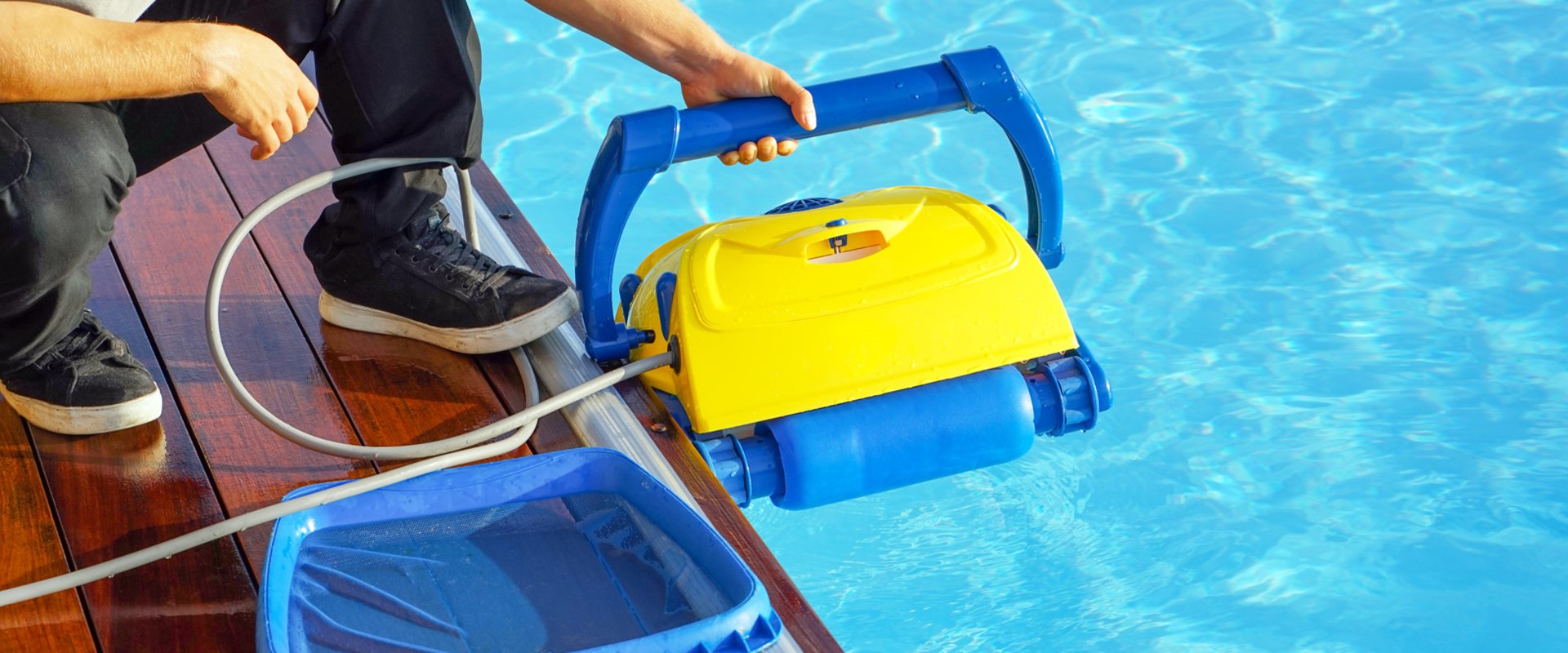
Robotic pool cleaners have gained immense popularity due to their advanced technology and efficiency. These self-contained units operate independently of your pool's filtration system, utilizing their own motors and filters to remove dirt and debris from the pool floor and walls.- Efficiency: Robotic cleaners are designed to navigate your pool with precision, ensuring thorough cleaning of all surfaces.
- Programmable Features: Many models come equipped with programmable settings, allowing you to schedule cleanings at your convenience.
- Energy Savings: Since they operate independently, they do not add strain to your existing filtration system, potentially lowering energy costs.
Suction Pool Cleaners
Suction pool cleaners are another popular option among pool owners.These devices connect directly to your existing pool pump and filter system, using suction power to collect debris from the bottom of the pool.
- Cost-Effective: Suction cleaners are generally more affordable than robotic models and can be easily integrated into your current setup.
- Simplicity: They are straightforward to install and operate, making them a great choice for those who prefer a no-fuss solution.
- Low Maintenance: With fewer moving parts than robotic cleaners, suction models typically require less maintenance.
Pressure Pool Cleaners
Pressure pool cleaners utilize the pressure generated by your pool's pump to propel themselves around the pool while collecting debris. They can be divided into two categories: booster pump cleaners, which require a separate booster pump for optimal performance, and non-booster pump cleaners, which work with the existing filtration system.- Powerful Cleaning: Pressure cleaners are particularly effective at removing larger debris such as leaves and twigs.
- Wall Climbing Ability: Many pressure models can climb walls and clean waterlines, providing a more comprehensive cleaning solution.
- Less Strain on Filtration System: Since they use pressure rather than suction, they can reduce wear on your main filter.
Robotic Pool Cleaners: The High-Tech Solution
Robotic pool cleaners have revolutionized the way pool owners maintain their swimming spaces. These advanced machines are designed to operate independently, providing a level of convenience and efficiency that traditional cleaning methods simply cannot match.By utilizing their own filtration systems and motors, robotic cleaners can effectively remove dirt, debris, and even algae from your pool without relying on your existing filtration system. One of the most significant advantages of robotic pool cleaners is their ability to navigate complex pool shapes and sizes. Equipped with smart technology, these cleaners can map out the layout of your pool, ensuring that every inch is covered during the cleaning cycle. This feature not only enhances cleaning efficiency but also minimizes the time spent on maintenance. Another notable benefit is their energy efficiency. Since robotic cleaners operate independently from your pool's pump, they do not add extra strain to your existing filtration system.
This can lead to lower energy bills and reduced wear and tear on your pool equipment. Additionally, many models come with programmable settings, allowing you to schedule cleanings at your convenience. When it comes to the best robotic pool cleaners , several models stand out in the market:
- Dolphin Nautilus CC Plus: Known for its powerful suction and ability to climb walls, this model is perfect for in-ground pools up to 50 feet. It features a dual scrubbing brush system that effectively removes dirt and debris.
- iRobot Mirra 530: This cleaner is designed for both in-ground and above-ground pools. Its advanced filtration system captures fine particles, ensuring a thorough clean.
- Poolvergnuegen 4-Wheel Drive: Ideal for larger pools, this model boasts superior climbing ability and can handle various surfaces with ease.
With their advanced features, energy efficiency, and ability to navigate complex pool designs, they are an excellent investment for any pool owner looking to simplify their maintenance routine.
Suction Pool Cleaners: The Economical Choice
Suction pool cleaners are a popular choice among pool owners looking for an economical and efficient way to maintain their swimming pools. These devices utilize the existing filtration system of your pool, making them a cost-effective solution for keeping your pool clean without the need for additional equipment.How Suction Pool Cleaners Work
Suction pool cleaners operate by connecting to your pool's skimmer or dedicated suction line. As the pool pump runs, it creates suction that draws water and debris into the cleaner. The cleaner then moves around the pool, collecting dirt, leaves, and other debris in its internal filter bag.
This process not only cleans the pool but also helps to circulate the water, which is essential for maintaining water quality.
Benefits of Suction Pool Cleaners
- Cost-Effective: One of the primary advantages of suction cleaners is their affordability. They typically have a lower upfront cost compared to robotic cleaners, making them accessible for budget-conscious pool owners.
- Easy Installation: Suction cleaners are straightforward to install. Most models can be connected to your existing filtration system without requiring professional assistance.
- Low Maintenance: Since suction cleaners rely on your pool's filtration system, they generally require less maintenance than robotic models. You only need to clean the filter bag occasionally and ensure that your pump is functioning properly.
- Effective Cleaning: While they may not have the advanced features of robotic cleaners, suction cleaners are effective at removing smaller debris and dirt from the bottom of the pool.
Best Suction Pool Cleaners
When considering a suction pool cleaner, it's essential to choose a model that fits your specific needs.
Some of the best suction pool cleaners on the market include:
- Hayward AquaNaut 400: Known for its powerful suction and ability to navigate various pool shapes and sizes.
- Pentair Kreepy Krauly Classic: A reliable option with a simple design that effectively cleans pools with minimal effort.
- Zodiac MX6: This compact cleaner is designed for smaller pools and features a unique cyclonic suction technology for efficient debris collection.
Pressure Pool Cleaners: A Powerful Alternative
When it comes to maintaining a clean and inviting swimming pool, pressure pool cleaners stand out as a powerful alternative to both robotic and suction cleaners. These devices utilize the pressure generated by your pool's pump to effectively remove dirt, debris, and even algae from the pool's surfaces.How Pressure Pool Cleaners Work
Pressure pool cleaners operate by harnessing the water pressure from your pool's filtration system.
They are equipped with a specialized bag or filter that captures debris as the cleaner moves around the pool. Unlike suction cleaners, which rely on suction power to collect dirt, pressure cleaners use a jet propulsion system that allows them to navigate more efficiently across various surfaces, including walls and steps.
Advantages of Pressure Pool Cleaners
- Effective Cleaning: Pressure cleaners are particularly adept at picking up larger debris such as leaves and twigs, making them ideal for pools surrounded by trees or heavy foliage.
- Less Strain on Filtration System: Since they operate independently of the main filtration system, pressure cleaners reduce wear and tear on your pump and filter, potentially extending their lifespan.
- Versatility: Many pressure cleaners come with adjustable settings that allow you to customize their cleaning patterns based on your pool's shape and size.
- Wall Climbing Ability: Unlike suction cleaners, many pressure models can climb walls and clean waterlines effectively, ensuring a thorough clean throughout your entire pool.
Comparing Pressure Cleaners to Other Options
While robotic and suction cleaners have their own advantages, pressure pool cleaners offer unique benefits that may make them the best choice for certain pool owners. For instance:
- Robotic Cleaners: These are often more expensive but provide advanced features like programmable cleaning schedules. However, they may not handle larger debris as effectively as pressure cleaners.
- Suction Cleaners: Generally more affordable, suction cleaners rely on your existing filtration system.
They can be less effective in pools with heavy debris loads and may require more frequent maintenance.
The Best Pressure Pool Cleaners
If you're considering investing in a pressure pool cleaner, some of the top models on the market include:
- Pentair Kreepy Krauly Racer: Known for its speed and efficiency, this model can clean large pools quickly.
- Hayward Phantom: This cleaner features a unique design that allows it to navigate complex pool shapes effortlessly.
- Zodiac Ranger: A budget-friendly option that still delivers excellent cleaning performance for smaller pools.
Factors to Consider When Choosing a Pool Cleaner
When it comes to choosing a pool cleaner, several critical factors can significantly influence your decision. Understanding these elements will help you select a cleaner that meets your specific needs and ensures your pool remains pristine.1.Pool Size
The size of your pool is one of the most important considerations.Larger pools may require more powerful cleaners or those designed for extensive coverage. If you have a small above-ground pool, a compact cleaner may suffice, while larger in-ground pools might benefit from robotic cleaners with advanced navigation systems.
2.Pool Shape
The shape of your pool also plays a vital role in determining the right cleaner. Irregularly shaped pools with curves and steps may require cleaners that can maneuver effectively around obstacles. Some robotic cleaners are equipped with smart technology that allows them to adapt to various shapes, ensuring thorough cleaning.3.Type of Debris
Consider the type of debris your pool typically accumulates.If you often find leaves, twigs, or larger debris, a cleaner with strong suction power and larger filters will be necessary. Conversely, if your pool mainly collects fine dirt and algae, a model designed for fine filtration may be more appropriate.
4.Budget Considerations
Your budget will undoubtedly influence your choice of pool cleaner. Robotic cleaners tend to be more expensive but offer advanced features and efficiency. On the other hand, suction and pressure-side cleaners are generally more affordable but may lack some of the high-tech capabilities of their robotic counterparts.It's essential to weigh the initial investment against long-term maintenance costs and energy savings.
5.Maintenance Requirements
Different types of pool cleaners come with varying maintenance needs. Robotic cleaners often require less frequent maintenance compared to suction cleaners, which rely on your existing filtration system. Be sure to consider how much time and effort you are willing to invest in maintaining your cleaner.6.Energy Efficiency
Energy efficiency is another factor worth considering, especially if you want to minimize operational costs. Robotic cleaners typically consume less energy than traditional suction cleaners since they operate independently from the pool's pump system. By taking these factors into account—pool size, shape, type of debris, budget considerations, maintenance requirements, and energy efficiency—you can make an informed decision when selecting the right pool cleaner.This thoughtful approach will not only enhance your cleaning experience but also ensure that your pool remains inviting and enjoyable all season long.
Maintenance Tips for Your Pool Cleaner
Maintaining your pool cleaner is essential for ensuring its longevity and optimal performance. Whether you own a robotic cleaner or a suction cleaner, regular upkeep can prevent costly repairs and enhance cleaning efficiency. Here are some practical maintenance tips tailored for each type of pool cleaner.Robotic Cleaner Maintenance
Robotic pool cleaners are designed for convenience, but they still require regular maintenance to function effectively. Here are some key tips:- Regularly Clean the Filter: The filter is crucial for trapping debris and dirt.
Check and clean it after each use to prevent clogs and maintain suction power.
- Inspect the Brushes: The brushes on your robotic cleaner can wear down over time. Inspect them regularly for signs of damage or wear, and replace them as needed to ensure thorough cleaning.
- Check the Cables: If your robotic cleaner is corded, inspect the cable for any signs of fraying or damage. A damaged cable can affect performance and pose safety risks.
- Store Properly: When not in use, store your robotic cleaner in a cool, dry place away from direct sunlight. This helps prevent deterioration of materials and prolongs its lifespan.
Suction Cleaner Upkeep
Suction cleaners are generally easier to maintain but still require attention to ensure they operate efficiently.Follow these tips:
- Clean the Skimmer Basket: Regularly empty the skimmer basket to prevent blockages that can hinder suction performance.
- Inspect Hoses: Check the hoses for leaks or cracks that could reduce suction power. Replace any damaged sections promptly to maintain efficiency.
- Adjust Flow Rate: Ensure that the flow rate of your pool pump is set correctly for optimal suction cleaner performance. Too high or too low can affect cleaning efficiency.
- Monitor Debris Levels: Keep an eye on the amount of debris in your pool. Excessive debris can overwhelm your suction cleaner, so consider using a leaf net or skimmer before deploying it.
Regular upkeep not only enhances performance but also extends the life of your investment, allowing you to enjoy your pool without the hassle of constant maintenance.
Common Issues with Pool Cleaners and Solutions
Pool cleaners, whether robotic or suction-based, can sometimes encounter issues that hinder their performance. Understanding these common problems and knowing how to troubleshoot them can save you time and frustration. Below are some frequent issues faced by pool owners along with effective solutions.1.Robotic Cleaner Not Moving
If your robotic pool cleaner is not moving, it could be due to a few reasons:- Power Supply Issues: Ensure that the cleaner is properly plugged in and that the outlet is functioning. Check for any tripped circuit breakers.
- Cable Problems: Inspect the power cable for any signs of damage or kinks.
A damaged cable can prevent the cleaner from receiving power.
- Filter Blockage: A clogged filter can restrict movement. Clean or replace the filter as needed to restore functionality.
2.Incomplete Cleaning
If your pool cleaner is leaving behind debris or not cleaning certain areas, consider the following:- Incorrect Settings: Check if the cleaning cycle is set correctly. Some models allow you to customize cleaning patterns; ensure it’s set to cover all areas of your pool.
- Obstructions: Remove any large objects or obstacles from the pool that may hinder the cleaner's movement.
- Wear and Tear: Inspect the brushes and wheels for wear. Replacing worn parts can improve cleaning efficiency.
3.Suction Cleaner Not Picking Up Debris
Suction cleaners may struggle with debris collection due to various factors:- Pump Issues: Ensure that your pool pump is functioning properly and that it has sufficient suction power.
A weak pump can lead to poor cleaning performance.
- Clogged Hoses: Check for blockages in the hoses leading to the cleaner. Clear any debris that may be obstructing flow.
- Improper Installation: Make sure the cleaner is installed correctly according to the manufacturer’s instructions, as improper setup can affect its ability to clean effectively.
4.Frequent Stalling or Stopping
If your pool cleaner frequently stalls, it may indicate a problem with its internal components:- Overheating: Allow the cleaner to cool down if it has been running for an extended period. Regular maintenance can help prevent overheating issues.
- Internal Damage: Inspect for any signs of damage within the unit itself, such as broken gears or motors. If you suspect internal damage, consult a professional for repairs.
FAQs About Pool Cleaners
When it comes to maintaining a clean and inviting pool, many pool owners have questions about the various types of pool cleaners available.Below are some frequently asked questions that can help clarify common doubts and provide insights into choosing the right cleaner for your needs.
What are the different types of pool cleaners?
There are three main types of pool cleaners: robotic, suction, and pressure cleaners. Each type has its own unique features and benefits:- Robotic Pool Cleaners: These are autonomous machines that operate independently of your pool's filtration system. They are equipped with their own motors and filters, making them highly efficient at cleaning.
- Suction Pool Cleaners: These cleaners use the suction power from your existing pool pump to remove debris. They are generally more affordable but may not be as effective at cleaning larger debris or climbing walls.
- Pressure Pool Cleaners: These utilize water pressure from your pool's return jets to move around and collect debris.
They can be effective for larger pools but may require additional equipment.
How do I choose the right pool cleaner for my needs?
Selecting the right pool cleaner depends on several factors:- Pool Size: Larger pools may benefit from robotic or pressure cleaners that can cover more ground efficiently.
- Debris Type: If your pool is prone to larger debris like leaves, a pressure cleaner might be more suitable.
- Budget: Consider both the initial cost and long-term maintenance expenses when choosing a cleaner.
- Features: Look for features such as programmable cleaning schedules, remote control operation, and wall-climbing capabilities.
How often should I use my pool cleaner?
The frequency of use depends on various factors including the amount of debris in your area, weather conditions, and how often you use your pool. Generally, it is advisable to run your pool cleaner at least once a week to maintain optimal cleanliness.Can I use my pool cleaner while swimming?
It is not recommended to use most pool cleaners while swimming. Robotic cleaners can pose a safety risk due to their moving parts and electrical components. It’s best to schedule cleaning sessions when the pool is not in use. If you have any other questions or need further assistance in selecting a pool cleaner, don’t hesitate to consult with a pool maintenance professional who can provide tailored advice based on your specific situation.Conclusion: Making the Right Choice for Your Pool Cleaning Needs
In conclusion, selecting the right pool cleaner is a crucial decision that can significantly impact your pool maintenance routine and overall enjoyment of your swimming experience.Throughout this guide, we have explored various types of pool cleaners, including robotic and suction models, each with its own set of advantages and disadvantages. When considering which type of cleaner to invest in, it is essential to evaluate your specific needs and circumstances. For instance, if you have a larger pool with complex shapes or frequent debris accumulation, a robotic cleaner may be the most efficient option. These advanced machines not only offer superior cleaning capabilities but also save you time and effort by operating independently. On the other hand, if you are looking for a more budget-friendly solution that integrates seamlessly with your existing pool system, suction cleaners can be an excellent choice. They are generally easier to maintain and can effectively handle routine cleaning tasks without the need for extensive manual intervention. Moreover, it’s important to consider factors such as:
- Pool Size: Larger pools may benefit from the advanced features of robotic cleaners, while smaller pools might be adequately serviced by suction models.
- Debris Type: If your pool is prone to larger debris like leaves or twigs, ensure that the cleaner you choose can handle such materials effectively.
- Budget: Weigh the initial investment against long-term savings on maintenance and energy costs.
- Maintenance Requirements: Understand the upkeep involved with each type of cleaner to ensure it fits your lifestyle.
By taking the time to assess your options and understanding the features that matter most to you, you can make an informed decision that enhances your pool experience for years to come. Remember, investing in the right cleaning solution not only keeps your pool sparkling clean but also contributes to its longevity and your enjoyment of this valuable outdoor space.