Clear guidance for cleaner pools.
The Ultimate Guide to Choosing the Perfect Automatic Pool Cleaner
Discover how to choose the perfect automatic pool cleaner for your needs. Explore types, features, and top models for a sparkling clean pool.
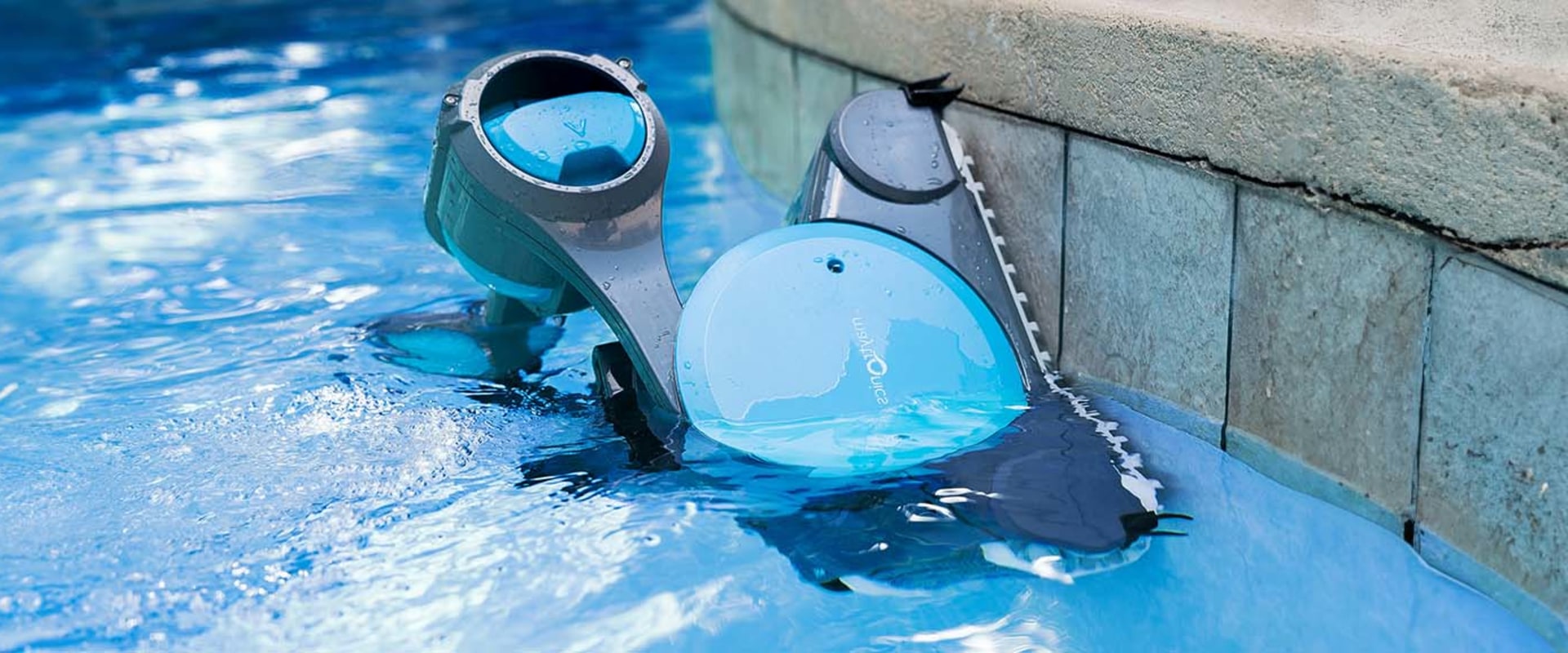
Maintaining a pristine swimming pool can often feel like a never-ending chore, especially during the peak summer months when debris and dirt seem to accumulate overnight. This is where automatic pool cleaners come into play, revolutionizing the way pool owners manage cleanliness and hygiene. These innovative devices are designed to take the hassle out of pool maintenance, allowing you to enjoy your pool without the constant worry of cleaning it manually. Automatic pool cleaners come in various types, each tailored to meet specific cleaning needs and preferences. The primary categories include robotic cleaners , pressure-side cleaners , and suction-side cleaners.
Robotic cleaners are self-contained units that operate independently, using advanced navigation systems to cover every inch of your pool. Pressure-side cleaners utilize the pool's existing pump system to create suction and propel themselves around the pool, while suction-side cleaners attach directly to your pool's skimmer or dedicated suction line, relying on the pump's suction power to move and collect debris. The benefits of investing in an automatic pool cleaner are numerous. Firstly, they save you time and effort, allowing you to spend more time enjoying your pool rather than cleaning it. Additionally, these devices can enhance the overall health of your pool by ensuring that dirt, algae, and other contaminants are effectively removed from surfaces and water.
Many models also come equipped with advanced filtration systems that capture fine particles, contributing to clearer water and reducing the need for chemical treatments. In summary, understanding the different types of automatic pool cleaners and their benefits is crucial for any pool owner looking to simplify maintenance tasks. By choosing the right cleaner for your specific needs, you can ensure a sparkling clean pool that is always ready for a refreshing dip.
Types of Automatic Pool Cleaners
When it comes to maintaining a pristine swimming pool, understanding the different types of automatic pool cleaners is essential. Each type has its unique mechanism, advantages, and ideal use cases. Here’s a closer look at the three primary categories: robotic pool cleaners , suction-side cleaners , and pressure-side cleaners .Robotic Pool Cleaners
Robotic pool cleaners are among the most advanced options available today.These self-contained units operate independently, using their own power source and filtration system. They are equipped with smart technology that allows them to navigate your pool efficiently, mapping out the best cleaning routes.
- Advantages:
- Energy Efficient: Many robotic cleaners consume less energy compared to other types.
- Thorough Cleaning: They can scrub walls, floors, and even waterlines effectively.
- User-Friendly: Most models come with programmable settings and remote control options.
- Ideal Use Cases:
- Best for homeowners who want a hands-off cleaning solution.
- Suitable for all pool types, including inground and above-ground pools.
Suction-Side Cleaners
Suction-side cleaners connect to your pool's existing filtration system. They use the suction created by your pool pump to draw in debris and dirt. These cleaners are typically less expensive than robotic models but may require more maintenance.- Advantages:
- Cost-Effective: Generally more affordable than robotic cleaners.
- Simplicity: Easy to set up and operate with minimal moving parts.
- Ideal Use Cases:
- Great for smaller pools or those on a budget.
- Effective for regular maintenance but may struggle with larger debris.
Pressure-Side Cleaners
Pressure-side cleaners utilize water pressure from your pool's return jets to propel themselves around the pool.They often come with their own debris bags, allowing them to capture larger particles without clogging your filtration system.
- Advantages:
- Larger Debris Handling: Excellent for picking up leaves and larger debris.
- No Need for Filtration System: They operate independently of your pool's filter, reducing wear and tear.
- Ideal Use Cases:
- Perfect for pools surrounded by trees or heavy foliage.
- A good choice for homeowners who want a robust cleaning solution without relying on their filtration system.
Key Features to Consider When Choosing a Pool Cleaner
When it comes to selecting the right automatic pool cleaner, understanding the key features can significantly enhance your pool maintenance experience. Here are some essential aspects to consider:- Cleaning Efficiency: The primary function of any pool cleaner is to keep your pool spotless. Look for models that offer strong suction power and effective cleaning patterns. Some cleaners are designed to tackle both large debris, like leaves, and fine particles, such as dirt and algae.
A cleaner with a dual filtration system can provide superior results by capturing a wider range of debris.
- Navigation Technology: Advanced navigation systems are crucial for ensuring that your pool cleaner can efficiently cover every inch of your pool. Models equipped with smart navigation technology can map out the pool's layout, avoiding obstacles and ensuring thorough cleaning. This feature is particularly beneficial for complex pool shapes or those with various depths.
- Filter Types: The type of filter used in a pool cleaner can greatly affect its performance. Look for cleaners that come with multiple filter options, such as fine mesh filters for small debris and larger bags for leaves and twigs.
A cleaner with an easy-to-access filter compartment will also make maintenance simpler.
- Ease of Use: A user-friendly design is essential for any automatic pool cleaner. Consider models that are easy to set up and operate, ideally with a simple plug-and-play mechanism. Features like programmable timers allow you to set cleaning schedules without manual intervention, making it easier to maintain a clean pool.
- Durability and Build Quality: Since pool cleaners operate in water and often encounter various debris, durability is key. Look for models made from high-quality materials that can withstand wear and tear over time.
Rubber tracks or wheels can enhance traction and prevent slippage on wet surfaces.
- Energy Efficiency: An energy-efficient model not only saves you money on electricity bills but also contributes to a more sustainable environment. Check for energy ratings or features that minimize power consumption while maintaining effective cleaning performance.
Comparing Popular Automatic Pool Cleaners
When it comes to maintaining a pristine swimming pool, choosing the right automatic pool cleaner is crucial. In this section, we will delve into a comparison of some of the best automatic pool cleaners of 2023, highlighting their features, strengths, and weaknesses to help you make an informed decision.Dolphin Nautilus CC Plus
The Dolphin Nautilus CC Plus is a top-rated robotic pool cleaner known for its efficiency and ease of use. It features a dual scrubbing brush system that effectively removes dirt and debris from both the floor and walls of your pool.With its smart navigation technology, it can map out the most efficient cleaning path, ensuring no spot is missed.
- Pros: Excellent cleaning performance, easy to operate, and energy-efficient.
- Cons: Slightly higher price point compared to other models.
Aiper Seagull SE
The Aiper Seagull SE is a budget-friendly option that does not compromise on performance. This cordless robotic cleaner is perfect for larger pools, thanks to its long battery life and efficient navigation system. It excels at picking up smaller debris like pollen and dirt but may struggle with larger leaves.- Pros: Affordable, easy to use, and wireless design.
- Cons: Limited effectiveness on larger debris.
Dolphin Escape
If you have an elevated pool or one with unique features, the Dolphin Escape is worth considering. This model is designed to tackle tough cleaning jobs with its powerful suction and large waste cartridge.It can easily climb walls and navigate tight corners, making it suitable for various pool shapes.
- Pros: Strong suction power, effective wall climbing, and large filter capacity.
- Cons: May not clean the waterline effectively.
Maintenance Tips for Your Automatic Pool Cleaner
Maintaining your automatic pool cleaner is essential for ensuring its longevity and optimal performance.Regular upkeep not only enhances the efficiency of the cleaner but also saves you money in the long run by preventing costly repairs or replacements. Here are some practical maintenance tips to keep your pool cleaner in top shape:
- Regularly Check the Filters: The filters in your automatic pool cleaner play a crucial role in trapping debris and keeping your pool water clean. Inspect them weekly and clean or replace them as needed. Clogged filters can reduce suction power and hinder cleaning efficiency.
- Inspect the Brushes: The brushes on your cleaner are responsible for scrubbing the pool surfaces.
Over time, they can wear down or become clogged with debris. Check them regularly for signs of wear and replace them if they are damaged or ineffective.
- Examine the Cables: If your cleaner is corded, inspect the cable for any signs of fraying or damage. A damaged cable can lead to electrical issues or hinder the cleaner's movement. Ensure that it is properly coiled when not in use to prevent tangling.
- Clean the Wheels and Tracks: Dirt and debris can accumulate on the wheels and tracks, affecting mobility.
Wipe them down with a damp cloth to remove any buildup, ensuring smooth operation during cleaning cycles.
- Store Properly: When not in use, store your automatic pool cleaner in a cool, dry place away from direct sunlight. This helps prevent damage from UV rays and extends the life of its components.
- Run Regular Maintenance Cycles: Many modern automatic pool cleaners come with built-in maintenance cycles that help keep them functioning optimally. Make sure to utilize these features as recommended by the manufacturer.
Common Issues and Troubleshooting Tips
Automatic pool cleaners are designed to make pool maintenance easier, but like any mechanical device, they can encounter issues.Understanding common problems and how to troubleshoot them can save you time and frustration. Here are some frequent issues users face with their pool cleaners and effective solutions to resolve them.
1.Cleaner Not Moving
If your automatic pool cleaner is not moving, it could be due to several reasons:- Power Supply Issues: Ensure that the cleaner is properly plugged in and that the outlet is functioning. Check for any tripped circuit breakers.
- Clogged Filters: A clogged filter can restrict water flow, preventing movement. Clean or replace the filter as needed.
- Tangled Cables: Inspect the cable for tangles or knots that may hinder movement.
Untangle any knots and ensure the cable is long enough for your pool size.
2.Incomplete Cleaning
If your cleaner is leaving debris behind, consider the following:- Insufficient Runtime: Make sure you are allowing enough time for the cleaner to complete its cycle. Adjust the timer settings if necessary.
- Incorrect Settings: Check if the cleaning mode is appropriate for your pool type. Some cleaners have specific settings for different surfaces.
- Worn Brushes: Inspect the brushes for wear and tear. Replacing worn brushes can significantly improve cleaning efficiency.
3.Cleaner Getting Stuck
If your cleaner frequently gets stuck in corners or on steps, try these solutions:- Adjusting the Weight: Some models allow you to adjust their weight distribution.
This can help them navigate better in tight spaces.
- Check for Obstructions: Remove any large debris or obstacles from the pool that may cause the cleaner to get stuck.
- Upgrade Your Model: If your current model struggles with navigation, consider investing in a more advanced cleaner designed for complex pool shapes.
4.Poor Suction
Poor suction can lead to ineffective cleaning. Here’s how to troubleshoot:- Inspect Hoses: Check for kinks or leaks in the hoses that may affect suction power. Replace damaged hoses as needed.
- Cleansing Filters: Regularly clean or replace filters to maintain optimal suction performance.
- Pump Issues: Ensure that your pool pump is functioning correctly, as it plays a crucial role in maintaining suction.
FAQs About Automatic Pool Cleaners
When considering the purchase of an automatic pool cleaner, potential buyers often have a myriad of questions.Here, we address some of the most frequently asked questions to help you make an informed decision.
1.What types of automatic pool cleaners are available?
Automatic pool cleaners generally fall into three main categories:- Robotic Cleaners: These are self-contained units that operate independently, using their own power source and navigation systems. They are highly efficient and can clean various surfaces, including walls and waterlines.
- Suction Cleaners: These cleaners connect to your pool's existing filtration system. They use suction to collect debris from the pool floor but may require more maintenance and can be less effective on walls.
- Pressure Cleaners: These utilize the pressure from your pool's pump to move around and collect debris. They often have their own bag for collecting waste and can be effective for larger debris.
2.How do I choose the right automatic pool cleaner for my pool?
Choosing the right cleaner depends on several factors:- Pool Type: Consider whether your pool is inground or above ground, as some cleaners are designed specifically for one type.
- Size and Shape: Larger pools may require more powerful cleaners or those with longer cables or hoses.
- Debris Type: If your pool is surrounded by trees, a cleaner that can handle larger debris like leaves is essential.
- Budget: Prices vary widely, so determine how much you are willing to invest in a cleaner that meets your needs.
3.How often should I run my automatic pool cleaner?
The frequency of use depends on several factors, including:- Pool Usage: If your pool is used frequently, running the cleaner at least once a week is advisable.
- Seasonal Changes: During fall, when leaves are falling, you may need to run the cleaner more often.
- Water Quality: If you notice debris accumulating quickly or if the water appears cloudy, increase the cleaning frequency.
4.Are automatic pool cleaners easy to maintain?
Yes, most automatic pool cleaners are designed for easy maintenance.Regular tasks include:
- Cleansing Filters: Depending on the model, filters should be cleaned or replaced regularly to ensure optimal performance.
- Checking Hoses/Cables: Inspect for any wear or damage that could affect functionality.
- Storing Properly: After use, store your cleaner in a dry place to prolong its lifespan.
Conclusion: Making the Right Choice for Your Pool
Choosing the right automatic pool cleaner is a crucial decision that can significantly impact your pool maintenance routine and overall enjoyment of your swimming space. As we have explored throughout this guide, there are various types of pool cleaners, each designed to meet specific needs and preferences. Understanding these differences is essential for making an informed choice. First and foremost, consider the size and shape of your pool. Different cleaners are optimized for various pool configurations, whether you have an inground or above-ground pool, a rectangular or freeform design.For instance, robotic cleaners like the Dolphin Explorer E50 excel in larger pools with complex shapes due to their advanced navigation technology. Next, think about the type of debris you typically encounter. If your pool is surrounded by trees or vegetation, a cleaner with strong suction power and a large waste basket will be beneficial. Models like the Dolphin Escape are particularly effective at handling larger debris such as leaves and branches, ensuring your pool remains pristine. Another important factor is the level of automation you desire. Some cleaners offer programmable settings and smart technology that allow for customized cleaning schedules, while others may require more manual intervention.
If convenience is a priority, investing in a model with advanced features can save you time and effort in the long run. Additionally, consider the maintenance requirements of each cleaner. While some models are designed for easy cleaning and filter replacement, others may require more frequent upkeep. A cleaner that is easy to maintain will not only enhance your experience but also prolong the lifespan of the device. In conclusion, selecting the perfect automatic pool cleaner involves evaluating your specific needs, preferences, and budget. By taking into account factors such as pool size, debris type, automation level, and maintenance ease, you can find a cleaner that not only meets but exceeds your expectations.
Remember that investing in a quality pool cleaner will ultimately lead to a more enjoyable swimming experience and less time spent on maintenance.