Clear guidance for cleaner pools.
Expert Tips for Extending the Lifespan of Your Pool Cleaner
Discover expert tips for maintaining your pool cleaner and extending its lifespan. Keep your pool pristine with these essential maintenance strategies.
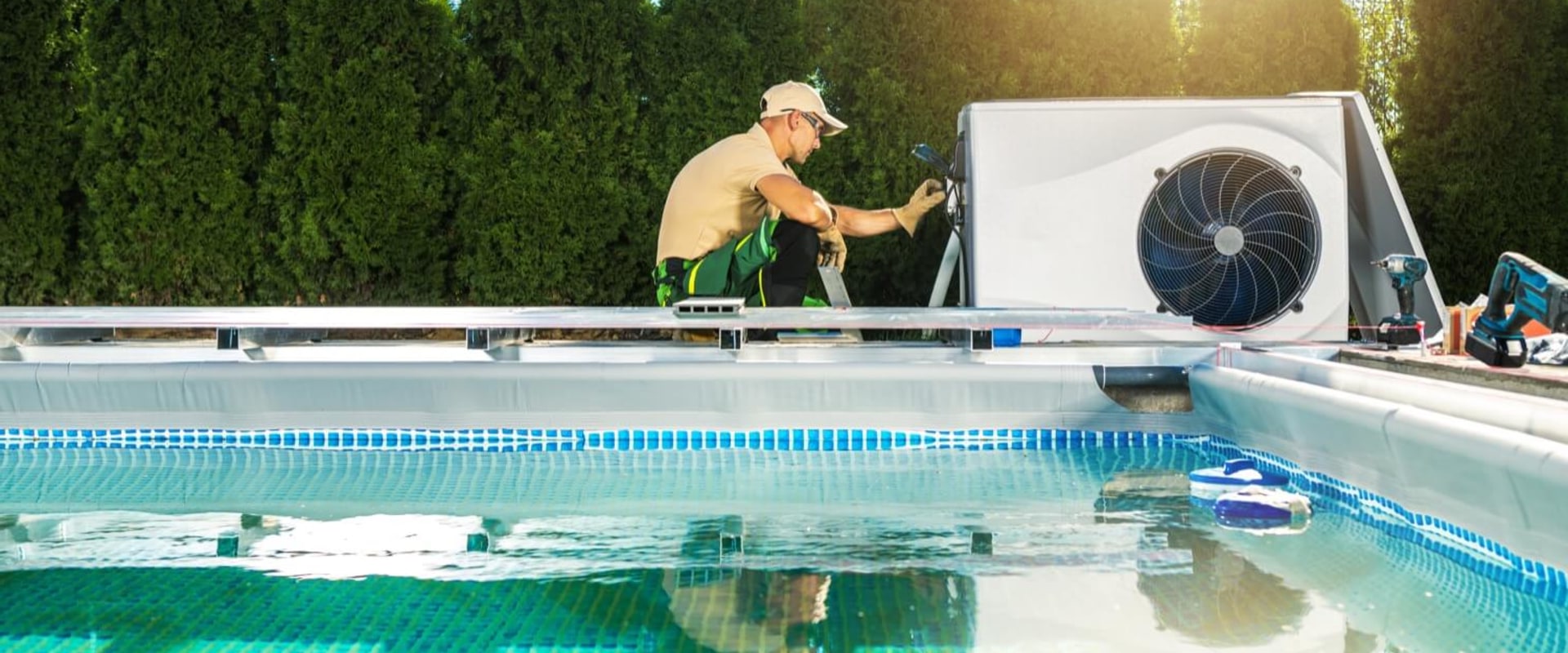
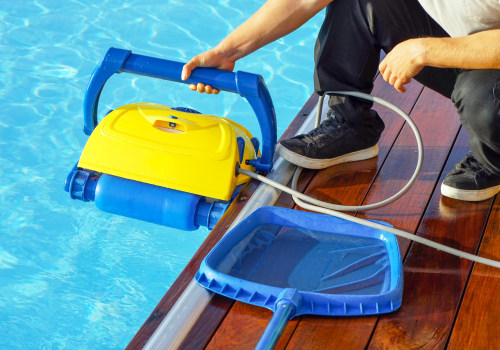
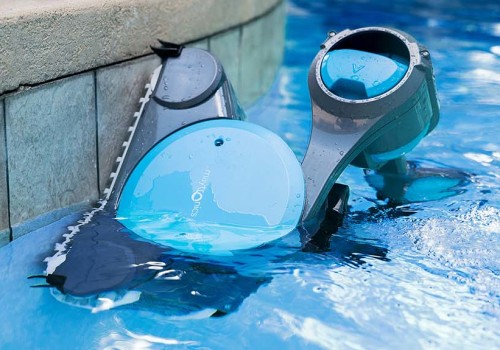
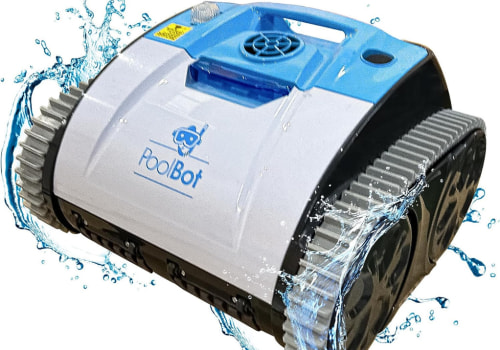
When it comes to maintaining a pristine swimming pool, understanding the various types of pool cleaners and their respective lifespans is essential for any pool owner. Each type of cleaner is designed to tackle specific cleaning challenges, and knowing the differences can help you choose the right one for your needs. The three primary categories of pool cleaners are robotic, suction, and pressure cleaners, each offering unique features and benefits. Robotic pool cleaners are often regarded as the most advanced option available. These self-contained units operate independently, using their own power source to navigate the pool and remove debris.
On average, robotic cleaners have a lifespan of about 4 to 7 years, depending on usage and maintenance. Their efficiency in cleaning not only saves time but also reduces the need for additional chemicals, making them a popular choice among pool enthusiasts. Suction pool cleaners, on the other hand, rely on the pool's existing filtration system to function. They attach to the skimmer or dedicated suction line and use the water flow to move around the pool while collecting dirt and debris. Typically, these cleaners last between 5 to 7 years.
While they are generally more affordable than robotic models, they may require more frequent maintenance due to their dependence on the pool's filtration system. Lastly, pressure pool cleaners utilize water pressure from the pool's return jets to propel themselves around the pool. They are known for their powerful cleaning capabilities and can handle larger debris effectively. The average lifespan of pressure cleaners ranges from 5 to 8 years. Understanding these distinctions not only aids in selecting the right cleaner but also emphasizes the importance of regular maintenance to extend their operational life.
Regular Maintenance: The Key to Longevity
Regular maintenance is crucial for ensuring the longevity of your pool cleaner.By dedicating time to routine upkeep, you can prevent minor issues from escalating into major problems, ultimately saving you both time and money. Here are some essential maintenance tips to keep your pool cleaner in optimal condition.
1.Clean the Filters
The filters in your pool cleaner play a vital role in trapping dirt and debris. Over time, these filters can become clogged, reducing the efficiency of your cleaner. To maintain optimal performance, it’s important to clean the filters regularly.Depending on usage, aim to check and clean the filters at least once a month:
- Remove the filter: Carefully detach the filter from the cleaner.
- Rinse with water: Use a garden hose to rinse off any debris and dirt.
- Inspect for damage: Look for tears or holes that may require replacement.
2.Inspect Hoses for Blockages
The hoses of your pool cleaner are essential for its operation, as they transport water and debris. Regularly inspecting these hoses can help you identify blockages or leaks that could hinder performance:- Check for kinks: Ensure that hoses are not twisted or kinked, as this can restrict water flow.
- Look for cracks: Inspect hoses for any signs of wear or damage that may lead to leaks.
- Clear blockages: If you notice any debris inside the hose, use a long object to gently push it out.
3.Examine Wheels and Brushes
The wheels and brushes of your pool cleaner are critical components that help it navigate and clean effectively. Regularly checking these parts can prevent unnecessary wear:- Check wheel movement: Ensure that all wheels rotate freely without obstruction.
- Inspect brushes: Look for worn bristles that may need replacement to maintain effective cleaning.
- Lubricate moving parts: If applicable, apply lubricant to any moving parts to ensure smooth operation.
Remember, a well-maintained pool cleaner is an investment in the overall health of your pool.
Proper Storage Techniques for Pool Cleaners
Proper storage of your pool cleaner is essential for maintaining its functionality and extending its lifespan. When not in use, a pool cleaner can be susceptible to various environmental factors and chemicals that can cause damage. Here are some best practices for storing your pool cleaner effectively:- Choose the Right Location: Store your pool cleaner in a cool, dry place away from direct sunlight and extreme temperatures. Excessive heat can warp plastic components, while cold conditions can make materials brittle.
- Avoid Chemical Exposure: Keep your cleaner away from pool chemicals such as chlorine and algaecides.
These substances can corrode parts of the cleaner, leading to premature wear and tear.
- Clean Before Storing: Always clean your pool cleaner thoroughly before storage. Remove any debris, leaves, or algae that may have accumulated during use. This prevents buildup that could lead to mold or mildew.
- Disassemble When Necessary: If your model allows it, consider disassembling parts of the cleaner for more compact storage. This can also help prevent damage to delicate components.
- Use Protective Covers: Invest in a protective cover specifically designed for your type of pool cleaner.
This will shield it from dust and other contaminants while in storage.
Identifying and Addressing Common Issues
Pool cleaners are essential for maintaining a clean and inviting swimming environment, but like any mechanical device, they can encounter issues over time.Understanding the common problems associated with pool cleaners and knowing how to troubleshoot them can save you both time and money.
Common Pool Cleaner Problems
- Inadequate Cleaning: If your pool cleaner is not picking up debris effectively, it may be due to clogged filters or hoses. Regularly check these components to ensure they are clean and free of blockages.
- Stalling or Stopping: A cleaner that frequently stops moving could have a jammed wheel or a malfunctioning motor. Inspect the wheels for debris and ensure the motor is functioning properly.
- Floating or Not Submerging: If your cleaner is floating instead of staying submerged, it may be too buoyant. Check the weight settings or add weights if necessary to help it stay down.
- Uneven Cleaning Patterns: If your cleaner is missing spots in the pool, it might be due to improper programming (for robotic cleaners) or a malfunctioning navigation system.
Reprogramming or recalibrating may resolve this issue.
Troubleshooting Your Pool Cleaner
When faced with any of these issues, start by performing a thorough inspection of your cleaner. Here are some troubleshooting steps:- Inspect Filters and Hoses: Remove and clean filters regularly to prevent clogs. Check hoses for kinks or tears that could impede water flow.
- Check for Blockages: Look for any debris stuck in the wheels or brushes that could hinder movement.
- Test Electrical Components: For robotic cleaners, ensure that all electrical connections are secure and that the battery is charged.
- Consult the Manual: Refer to the manufacturer’s manual for specific troubleshooting tips related to your model.
When to Repair or Replace
Deciding whether to repair or replace your pool cleaner can be challenging. Here are some guidelines to help you make an informed decision:- If repairs cost less than 50% of a new cleaner, it’s usually worth fixing.
- If your cleaner is over five years old and experiencing frequent issues, consider investing in a new model.
- If parts are no longer available for your model, replacement may be the only option.
Investing in Quality: Choosing the Right Pool Cleaner
When it comes to maintaining a pristine swimming pool, the choice of pool cleaners plays a pivotal role.Investing in a high-quality pool cleaner not only enhances the cleanliness of your pool but also significantly impacts its longevity and performance. While it may be tempting to opt for cheaper models, understanding the long-term benefits of quality can save you both time and money.
Features to Consider When Purchasing a Pool Cleaner
- Type of Cleaner: There are three main types of pool cleaners: robotic, suction, and pressure cleaners. Robotic cleaners are often considered the best due to their efficiency and advanced technology, while suction and pressure cleaners can be more budget-friendly options.
- Filtration System: A cleaner with a robust filtration system can capture finer debris, ensuring your pool remains crystal clear. Look for models that offer dual or multi-layer filtration for optimal performance.
- Navigation Technology: Advanced navigation systems allow robotic cleaners to map out your pool's layout, ensuring thorough cleaning without missing spots.
This feature is crucial for larger or uniquely shaped pools.
- Durability: High-quality materials such as reinforced plastics or stainless steel components can withstand harsh pool chemicals and environmental conditions, extending the lifespan of your cleaner.
- Ease of Use: Consider how easy it is to operate and maintain the cleaner. Features like programmable settings, remote control operation, and easy-to-clean filters can enhance user experience.
The Quality vs. Price Debate
While it might seem prudent to choose a less expensive model, investing in a quality pool cleaner often pays off in the long run. Higher-priced models typically come with better warranties, superior customer support, and advanced features that enhance cleaning efficiency.
Additionally, they tend to require fewer repairs and replacements over time. In conclusion, when selecting a pool cleaner, prioritize quality over price. By considering essential features and investing in a reliable model, you can ensure that your pool remains clean and inviting while maximizing the lifespan of your equipment.
Seasonal Care: Preparing Your Pool Cleaner for Different Weather Conditions
As the seasons change, so do the needs of your pool cleaner. Proper seasonal care is essential to ensure that your pool cleaner operates efficiently throughout the year. Here are some expert tips for preparing your pool cleaner for both winter and summer months.Winterizing Your Pool Cleaner
When winter arrives, it’s crucial to take steps to protect your pool cleaner from harsh weather conditions.Here’s how to properly winterize:
- Remove and Clean: Start by removing your pool cleaner from the water. Clean it thoroughly to remove any debris, algae, or dirt that may have accumulated. This prevents buildup that can cause damage during storage.
- Inspect for Damage: Check all parts of the cleaner, including hoses, wheels, and filters, for any signs of wear or damage. Address any issues before storing it away.
- Drain Water: Ensure that all water is drained from the cleaner to prevent freezing and cracking during cold temperatures.
- Store Properly: Store your pool cleaner in a dry, cool place away from direct sunlight and harsh chemicals.
A storage bag or container can provide additional protection.
Summer Care for Your Pool Cleaner
During the summer months, your pool cleaner will likely be working overtime. To keep it in top shape:- Regular Inspections: Frequently check your pool cleaner for any signs of wear and tear. Look for damaged hoses or worn brushes that may need replacement.
- Clean Filters: Clean or replace filters regularly to ensure optimal suction and performance. Clogged filters can hinder the efficiency of your cleaner.
- Avoid Overuse: While it may be tempting to run your cleaner continuously during peak swimming season, give it breaks to prevent overheating and excessive wear.
- Monitor Chemical Levels: Keep an eye on your pool’s chemical balance.
High levels of chlorine or other chemicals can affect the materials of your cleaner over time.
FAQs About Pool Cleaners and Their Maintenance
When it comes to maintaining your pool cleaner, many questions often arise. Below are some of the most frequently asked questions regarding pool cleaners and their upkeep, along with clear and concise answers to help you keep your equipment in top shape.1.How often should I clean my pool cleaner?
It is recommended to clean your pool cleaner after every use. This includes removing any debris, leaves, or dirt that may have accumulated during its operation.Regular cleaning helps prevent clogs and ensures optimal performance.
2.What are the signs that my pool cleaner needs maintenance?
- Reduced suction power: If you notice that your cleaner is not picking up debris as effectively as before, it may need maintenance.
- Strange noises: Unusual sounds during operation can indicate mechanical issues that require attention.
- Visible wear: Check for any visible damage to the wheels, brushes, or hoses.
3.Can I use my pool cleaner on all types of pools?
Most pool cleaners are designed to work with various pool types, including in-ground and above-ground pools. However, it’s essential to check the manufacturer’s specifications to ensure compatibility with your specific pool type and surface material.4.How do I store my pool cleaner when not in use?
Proper storage is crucial for extending the lifespan of your pool cleaner. Store it in a cool, dry place away from direct sunlight and harsh chemicals. If possible, keep it indoors or in a shaded area to prevent damage from UV rays and environmental factors.5.What should I do if my pool cleaner gets stuck?
If your cleaner becomes stuck, first turn it off and remove it from the water.Inspect for any obstructions such as large debris or tangled hoses. Clear any blockages before returning it to the pool.
6.How can I troubleshoot common issues with my pool cleaner?
If you encounter problems with your pool cleaner, start by checking the following:- Hoses: Ensure there are no kinks or leaks in the hoses.
- Filters: Clean or replace filters as needed to maintain suction power.
- Batteries: For robotic cleaners, check battery health and replace if necessary.
Conclusion: Maximizing Your Investment in Pool Cleaners
In conclusion, maximizing your investment in pool cleaners requires a proactive approach to maintenance and care. By understanding the various types of pool cleaners available and their specific needs, you can significantly extend their lifespan and enhance their performance. Regular maintenance is not just a recommendation; it is essential for ensuring that your cleaner operates efficiently and effectively. As discussed, routine inspections of critical components such as wheels, hoses, and filters can prevent minor issues from escalating into costly repairs.By dedicating a little time each week to check these parts, you can catch problems early and keep your cleaner running smoothly. Additionally, proper storage practices are vital. Always store your pool cleaner in a cool, dry place away from harsh chemicals to prevent material degradation. Moreover, understanding when to repair versus when to replace your pool cleaner is crucial. While repairs can often be more economical in the short term, there comes a point when investing in a new model may be the wiser choice.
Keeping track of the age and condition of your equipment will help you make informed decisions that align with your budget and maintenance goals. Investing in a high-quality pool cleaner can also pay dividends in the long run. Although the initial cost may be higher, quality models tend to last longer and require fewer repairs, ultimately saving you money over time. Remember that neglecting your cleaner by leaving it submerged in debris or failing to clean it regularly will shorten its lifespan. By implementing these expert tips and committing to regular maintenance, you can ensure that your pool cleaner remains a reliable ally in keeping your pool pristine. A well-maintained pool cleaner not only enhances the cleanliness of your swimming area but also contributes to the overall enjoyment of your pool experience.
Take action today to protect your investment and enjoy a sparkling clean pool for years to come.