Clear guidance for cleaner pools.
The Ultimate Guide to Choosing the Best Automatic Pool Cleaner: An Expert's Perspective
Discover how to select the best automatic pool cleaner for your needs with our expert guide, covering types, features, and top recommendations.
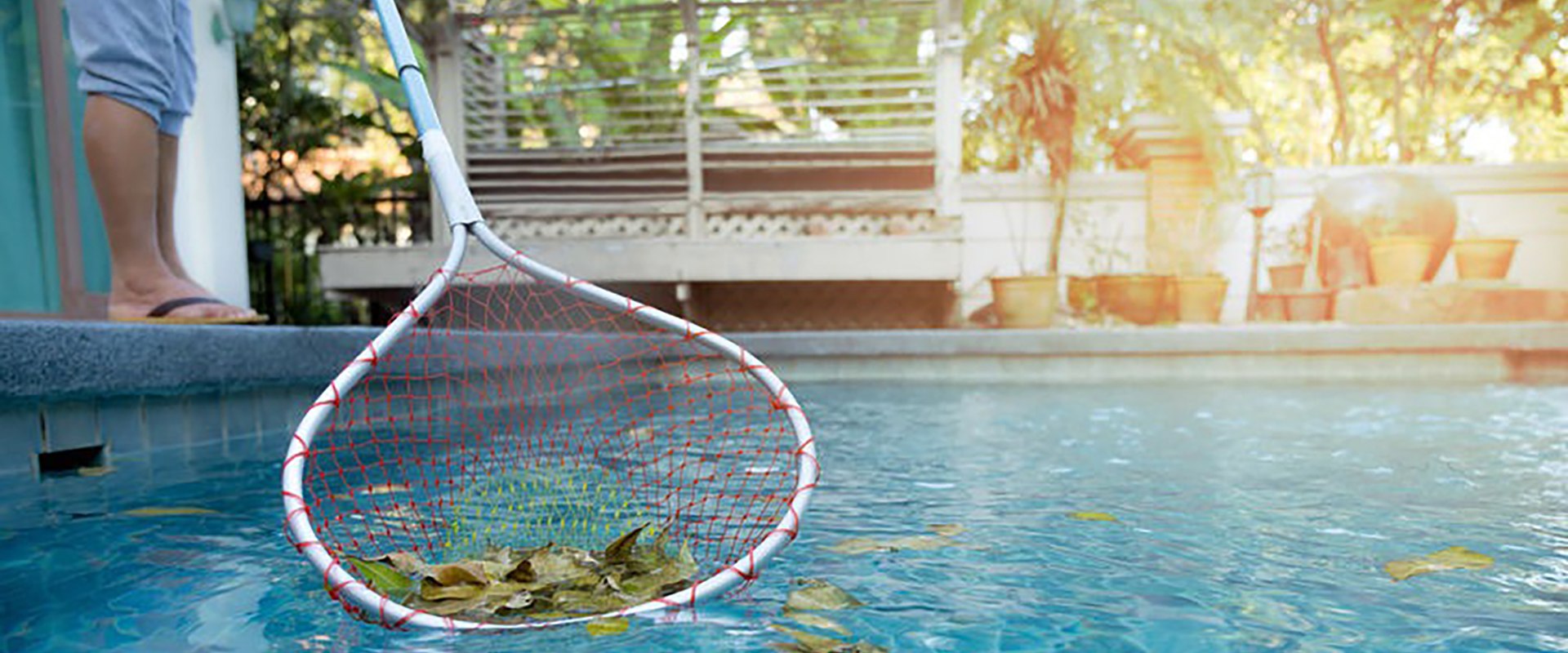
When it comes to maintaining a pristine swimming pool, understanding the various types of pool cleaners available is essential. Each type of cleaner offers unique features and benefits, catering to different pool shapes, sizes, and cleaning needs. In this section, we will explore the three primary categories of automatic pool cleaners: robotic, suction, and pressure cleaners. By grasping how each type operates, you can make an informed decision on which cleaner best suits your pool maintenance requirements.
Robotic pool cleaners
have gained immense popularity due to their advanced technology and efficiency.
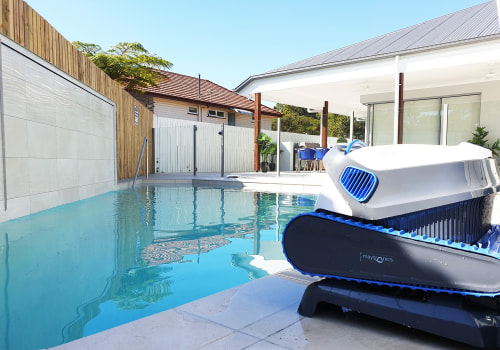
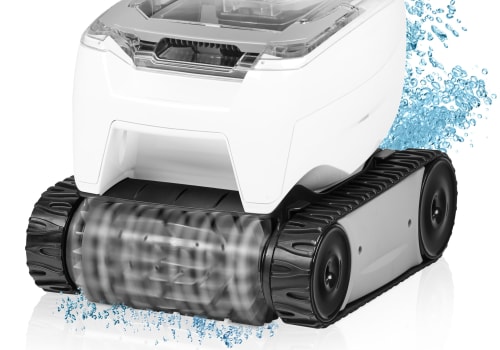
These self-contained units operate independently, using a combination of brushes and powerful suction to scrub and collect debris from the pool floor and walls. Equipped with smart navigation systems, robotic cleaners can map out the pool's layout, ensuring thorough coverage without missing any spots. Their energy-efficient design often allows them to operate on low power, making them an eco-friendly choice. However, they tend to come with a higher price tag compared to other types.
Suction pool cleaners
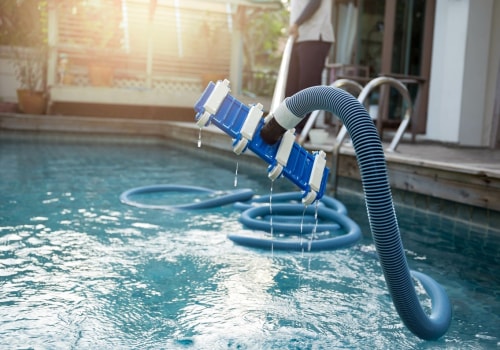
, on the other hand, utilize the existing filtration system of your pool to create suction that pulls in dirt and debris.
These cleaners are typically less expensive than robotic models and are easy to install. They work well in various pool types but may struggle with larger debris or uneven surfaces. While they are effective for routine cleaning, suction cleaners can sometimes be slower and may require more frequent maintenance of the filter system. Lastly, pressure pool cleaners operate by using water pressure from your pool's pump to dislodge dirt and debris. These cleaners are particularly effective at handling larger debris like leaves and twigs.
They often come with their own debris bags or can be connected to the pool's filtration system for added convenience. However, they may require more energy to operate and can be more complex to set up compared to suction cleaners. Understanding these different types of pool cleaners is crucial for selecting the right one for your needs. Each type has its advantages and disadvantages, so consider factors such as your pool's size, shape, and typical debris when making your choice. With the right cleaner in hand, you can enjoy a sparkling clean pool with minimal effort.
Key Features to Consider When Choosing a Pool Cleaner
When selecting an automatic pool cleaner, understanding the key features is essential to ensure you make a wise investment.Here are the most important aspects to consider:
- Cleaning Efficiency: The primary function of any pool cleaner is to keep your pool spotless. Look for models with powerful suction capabilities and effective brush systems. Some cleaners are designed specifically for fine debris, while others excel at picking up larger items like leaves and twigs. A cleaner that can handle both types of debris will save you time and effort.
- Navigation Technology: Advanced navigation systems allow pool cleaners to map out the pool's layout, ensuring comprehensive coverage.
Models equipped with smart technology can avoid obstacles and efficiently clean hard-to-reach areas, such as corners and steps. Consider cleaners with gyroscopic navigation or those that utilize sensors to enhance their cleaning paths.
- Filter Types: The type of filter used in a pool cleaner significantly impacts its performance. Some cleaners come with multiple filter options, including fine mesh filters for small particles and larger bags for leaves and debris. A dual-filter system can provide versatility, allowing you to switch filters based on the type of debris in your pool.
- Ease of Use: A user-friendly design is crucial for hassle-free operation.
Look for models that are easy to set up, operate, and maintain. Features such as programmable timers, remote controls, or smartphone connectivity can enhance convenience. Additionally, consider how easy it is to remove and clean the filter or debris bag.
- Maintenance Requirements: Regular maintenance is necessary to keep your pool cleaner functioning optimally. Check if the model requires frequent filter changes or if it has self-cleaning capabilities.
Understanding the maintenance needs will help you gauge the long-term costs associated with your purchase.
Top Automatic Pool Cleaners Reviewed by Experts
When it comes to maintaining a pristine swimming pool, choosing the right automatic pool cleaner is crucial. Below, we delve into expert reviews of some of the top-rated pool cleaners available on the market, highlighting their performance metrics, unique features, pros and cons, and ideal use cases.Dolphin Explorer E50
The Dolphin Explorer E50 stands out as a premier choice for those seeking an efficient and powerful cleaning solution. This robotic cleaner is designed to tackle all types of debris, from large leaves to fine dirt particles.- Performance: With its advanced navigation system, the E50 can easily clean walls, floors, and even stairs.
- Unique Features: It boasts a dual-filter system that captures both large debris and fine particles, ensuring a thorough clean.
- Pros: Quiet operation, lightweight design for easy handling, and a large waste basket that minimizes the need for frequent emptying.
- Cons: Higher price point compared to some competitors.
Aiper Seagull SE
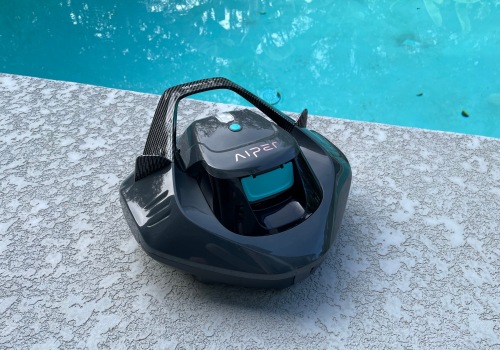
The Aiper Seagull SE is another excellent choice, particularly for those with elevated or larger pools.Its wireless design enhances mobility and ease of use.
- Performance: While it may not match the power of pricier models, it effectively collects smaller debris like pollen and dirt.
- Unique Features: Quick charging time of just 2.5 hours and intelligent navigation technology.
- Pros: Simple controls with a programmable timer for customized cleaning schedules.
- Cons: May struggle with larger debris such as leaves.
Dolphin Escape
The Dolphin Escape is specifically designed for pools surrounded by trees or heavy foliage. Its robust cleaning capabilities make it a favorite among pool owners dealing with significant debris accumulation.- Performance: Excellent at climbing walls and scrubbing tiles while effectively collecting leaves and branches.
- Unique Features: A 40-foot tangle-free cable that allows for extensive coverage without interruptions.
- Pros: Large filter tray that’s easy to clean and maintain; great wall-climbing ability.
- Cons: Limited effectiveness in cleaning waterline surfaces and may require manual intervention in deeper areas.
Comparing Costs: Budgeting for Your Pool Cleaner
When it comes to selecting an automatic pool cleaner, understanding the cost of pool cleaners is crucial for making an informed decision. The price range for these devices can vary significantly based on several factors, including the type of cleaner, its features, and the brand. Generally, you can expect to pay anywhere from $100 to over $1,500 for a quality automatic pool cleaner.Types of Pool Cleaners and Their Costs
- Robotic Pool Cleaners: These are typically the most expensive option, ranging from $300 to $1,500.
They offer advanced features like programmable cleaning schedules and smart navigation systems. Their efficiency in cleaning various pool surfaces justifies the higher price point.
- Suction-Side Cleaners: These cleaners connect to your pool's existing filtration system and usually cost between $150 and $600. They are effective but may require more maintenance since they rely on your pool's pump.
- Pressure-Side Cleaners: Priced between $300 and $800, these cleaners use a separate booster pump to operate. They are known for their ability to handle larger debris but can incur additional costs due to the need for a booster pump.
Factors Influencing Costs
Several factors can influence the price of an automatic pool cleaner:
- Brand Reputation: Well-known brands often charge a premium for their products due to their reliability and customer service.
- Features: Advanced features such as remote control, programmable settings, and enhanced filtration systems can increase the cost.
- Warranty and Support: A longer warranty period may indicate a higher initial cost but can save you money in repairs or replacements down the line.
Budgeting Tips
When budgeting for an automatic pool cleaner, consider not only the initial purchase price but also long-term maintenance costs.
Here are some tips:
- Assess Your Pool Size: Larger pools may require more powerful cleaners, which can be more expensive.
- Factor in Maintenance Costs: Regular maintenance such as filter replacements or repairs should be included in your budget.
- Look for Sales: Keep an eye out for seasonal sales or discounts that can help you save on your purchase.
Maintenance Tips for Your Automatic Pool Cleaner
Maintaining your automatic pool cleaner is essential for ensuring its longevity and optimal performance. Regular upkeep not only enhances the efficiency of the cleaner but also extends its lifespan, allowing you to enjoy a sparkling clean pool with minimal effort. Here are some practical maintenance tips to keep your pool cleaner in top shape:- Regular Cleaning of Filters: One of the most crucial maintenance tasks is to clean the filters regularly. Depending on usage, check the filters after every cleaning cycle.
If they appear clogged with debris, rinse them thoroughly with a hose to remove dirt and particles. This will help maintain suction power and efficiency.
- Inspect the Brushes: The brushes on your automatic pool cleaner play a vital role in scrubbing surfaces. Inspect them periodically for wear and tear. If you notice any bristles are worn down or damaged, consider replacing them to ensure effective cleaning.
- Check for Blockages: After each use, inspect the cleaner for any blockages in the intake or hoses.
Leaves, twigs, and other debris can obstruct the flow of water, reducing performance. Clear any obstructions promptly to avoid potential damage.
- Examine Cables and Hoses: Regularly check the cables and hoses for signs of wear, such as cracks or fraying. A damaged cable can lead to operational issues or even cause the cleaner to malfunction. If you find any damage, replace the affected parts immediately.
- Store Properly: When not in use, store your automatic pool cleaner in a cool, dry place away from direct sunlight.
This helps prevent deterioration of materials and prolongs its life.
Frequently Asked Questions About Pool Cleaners
When considering the purchase of an automatic pool cleaner, potential buyers often have a variety of questions.This FAQ section aims to address some of the most common inquiries regarding pool cleaners, helping you make an informed decision.
What types of pools are compatible with automatic pool cleaners?
Automatic pool cleaners are designed to work with various types of pools, including:- Inground Pools: Most robotic and suction-side cleaners are suitable for inground pools, regardless of their shape or size.
- Above-Ground Pools: Many models are specifically designed for above-ground pools, ensuring effective cleaning without damaging the pool's structure.
- Vinyl, Fiberglass, and Concrete Pools: Most automatic cleaners can handle different pool surfaces, but it's essential to check the manufacturer's specifications for compatibility.
How energy-efficient are automatic pool cleaners?
Energy efficiency varies by model, but many modern pool cleaners are designed to minimize energy consumption. Robotic cleaners typically use less energy than traditional suction or pressure-side cleaners because they operate independently and do not rely on the pool's filtration system. Look for models with energy-saving features such as:- Programmable Timers: Set cleaning schedules to optimize energy use.
- Smart Navigation: Advanced models use algorithms to clean efficiently, reducing unnecessary energy expenditure.
What is the warranty period for automatic pool cleaners?
The warranty period for automatic pool cleaners can vary significantly between brands and models. Generally, you can expect:- 1-Year Warranty: Most entry-level models come with a one-year warranty covering manufacturing defects.
- 2-3 Year Warranty: Mid-range to high-end models often offer extended warranties that cover parts and labor.
- Lifetime Warranty: Some premium brands provide lifetime warranties on specific components, such as the motor or housing.
What should I do if my pool cleaner is not working properly?
If you encounter issues with your automatic pool cleaner, consider these troubleshooting steps:- Check Power Supply: Ensure the cleaner is plugged in and that the outlet is functioning.
- Inspect Filters: Clogged filters can hinder performance; clean or replace them as needed.
- Cable Issues: Look for tangles or damage in the power cable that may affect operation.
- Navigational Problems: If the cleaner is not moving correctly, check for obstructions in the pool and ensure it is set up according to the manufacturer's instructions.
Conclusion: Making the Right Choice for Your Pool Cleaning Needs
In conclusion, selecting the right automatic pool cleaner is crucial for maintaining a clean and enjoyable swimming environment.Throughout this guide, we have explored various models, their features, and how they cater to different pool types and cleaning needs. Understanding these factors will empower you to make an informed decision that aligns with your specific requirements. When considering a pool cleaner, it’s essential to evaluate:
- Pool Type: Whether you have an inground or above-ground pool can significantly influence your choice. Some cleaners are specifically designed for certain pool types, ensuring optimal performance.
- Debris Type: Assess the common debris in your pool. If your area is prone to leaves and larger debris, a more powerful model may be necessary.
Conversely, if your pool mainly collects fine dirt and pollen, a less robust cleaner might suffice.
- Cleaning Efficiency: Look for models that offer efficient cleaning patterns and can navigate obstacles effectively. Features like wall-climbing capabilities and advanced navigation systems can enhance cleaning performance.
- Ease of Use: Consider how user-friendly the cleaner is. Features such as programmable timers, easy-to-empty filters, and lightweight designs can make a significant difference in your overall experience.
- Budget: Automatic pool cleaners come in a range of prices. While it’s tempting to opt for the cheapest option, investing in a quality model can save you time and money in the long run.
Take the time to assess your pool's specific needs and match them with the features offered by various models. By doing so, you’ll not only enhance your pool maintenance routine but also ensure that your swimming experience remains enjoyable and hassle-free. Now that you are equipped with the knowledge from this guide, it’s time to take action. Research the models discussed, read customer reviews, and consider reaching out to experts if needed. With the right automatic pool cleaner, you can transform your pool maintenance from a chore into a simple task that allows you to focus on what truly matters—enjoying your beautiful pool!.