Clear guidance for cleaner pools.
Maximizing Efficiency: Understanding the Energy Impact of Robotic Pool Cleaners
Discover how robotic pool cleaners enhance energy efficiency and reduce costs while keeping your pool pristine. Learn more about their benefits today!

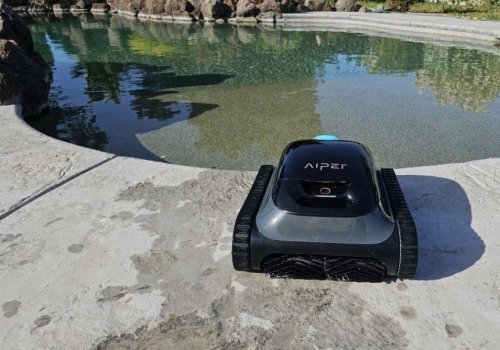
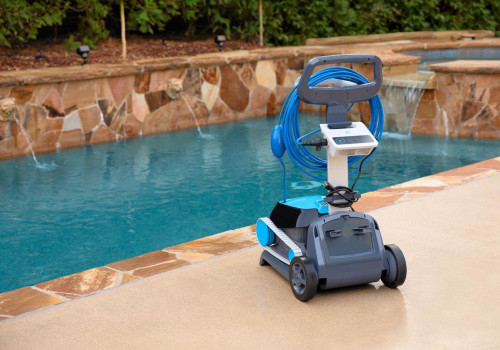
In the realm of pool maintenance, the advent of robotic pool cleaners has revolutionized how homeowners approach keeping their pools pristine. These innovative devices are designed to autonomously navigate the pool's surface, scrubbing away dirt, debris, and algae with minimal human intervention. As the demand for efficient and effective cleaning solutions grows, understanding the role of these machines in enhancing energy efficiency becomes increasingly important. Robotic pool cleaners stand out from traditional cleaning methods due to their advanced technology and energy-saving capabilities. Unlike suction-side or pressure-side cleaners that rely on the pool's filtration system, robotic cleaners operate independently, utilizing their own motors and filtration systems.
This independence not only allows for a more thorough clean but also significantly reduces the energy consumption associated with pool maintenance. Homeowners can enjoy a sparkling clean pool without the guilt of skyrocketing energy bills. Moreover, the integration of smart technology in many robotic cleaners enables them to optimize their cleaning cycles based on the specific needs of each pool. By adjusting their cleaning patterns and durations, these devices can effectively minimize energy usage while maximizing cleaning efficiency. This adaptability is crucial for environmentally conscious homeowners who are keen on reducing their carbon footprint while still enjoying the luxury of a well-maintained swimming pool. As we delve deeper into the impact of robotic pool cleaners on energy consumption, it becomes clear that investing in these machines is not just about convenience; it’s about making a sustainable choice for both your wallet and the environment.
Understanding how to leverage these tools effectively will empower you to maintain your pool with minimal energy expenditure, ensuring that your outdoor oasis remains a source of joy without compromising on sustainability.
How Robotic Pool Cleaners Work
Understanding how robotic pool cleaners operate is essential for any pool owner looking to maximize efficiency and cleanliness. These advanced machines utilize a combination of sophisticated technology and mechanical design to ensure thorough cleaning with minimal energy consumption. At the heart of a robotic pool cleaner is its intelligent navigation system. This system employs sensors and algorithms to map the pool's layout, allowing the cleaner to navigate efficiently without missing any spots. The sensors detect obstacles, enabling the cleaner to adjust its path in real-time, which not only enhances cleaning efficiency but also prevents damage to the unit or pool surfaces. Most robotic cleaners are equipped with powerful motors that drive their movement and suction capabilities.Unlike traditional cleaners that rely on the pool's filtration system, robotic cleaners have their own independent motors. This independence allows them to operate more efficiently, as they do not draw power from the main pump, which can be a significant source of energy consumption. The cleaning process typically involves several stages:
- Suction: The cleaner uses its motorized brushes and suction ports to collect debris from the pool floor and walls.
- Filtration: Debris is trapped in an internal filter, which can be easily cleaned or replaced by the user.
- Navigation: The cleaner continuously adjusts its path based on the pool's shape and size, ensuring comprehensive coverage.
By understanding these mechanics, pool owners can make informed decisions about their maintenance routines and enjoy a cleaner pool with less environmental impact.
Energy Consumption of Different Types of Pool Cleaners
When it comes to maintaining a clean pool, understanding the energy consumption of different types of pool cleaners is crucial for both your wallet and the environment. The three primary categories of pool cleaners are suction-side, pressure-side, and robotic cleaners, each with its own unique energy profile.Suction-Side Cleaners
- Suction-side cleaners operate by utilizing the suction power generated by your pool's main circulation pump. This means that they rely on the same energy source that keeps your pool water circulating.
- While they are generally less expensive upfront, their energy consumption can be significant, especially if used frequently. The cleaner's efficiency is directly tied to the performance of your pump, which can lead to higher electricity bills.
- Moreover, suction-side cleaners may require longer cleaning cycles to achieve satisfactory results, further increasing their energy usage.
Pressure-Side Cleaners
- Pressure-side cleaners use water pressure from the return jets to propel themselves around the pool.
They collect debris in a separate bag or canister, which can be emptied easily.
- These cleaners tend to consume more energy than suction-side models because they often require a booster pump to operate effectively. This additional pump adds to the overall energy consumption.
- However, pressure-side cleaners can be more efficient in larger pools or those with heavy debris loads, as they can cover more ground in less time.
Robotic Cleaners
- Robotic pool cleaners are self-contained units that operate independently of your pool's filtration system. They have their own motors and filtration systems, which allows them to clean efficiently without relying on your main pump.
- These cleaners are designed with advanced technology that enables them to navigate the pool intelligently, optimizing their cleaning paths and reducing unnecessary movements. As a result, they often consume less energy compared to suction and pressure-side cleaners.
- Many robotic models also feature programmable settings that allow you to schedule cleaning cycles during off-peak hours, further minimizing energy costs.
Robotic cleaners, although typically more expensive upfront, offer greater efficiency and lower operational costs in the long run. By understanding these differences, you can make an informed decision that balances effective pool maintenance with energy efficiency.
Benefits of Using Robotic Pool Cleaners for Energy Savings
Investing in robotic pool cleaners offers a multitude of benefits, particularly when it comes to energy savings and cost-effective pool maintenance. These advanced machines are designed not only to keep your pool clean but also to do so in a way that minimizes energy consumption, ultimately leading to lower utility bills. One of the primary advantages of robotic pool cleaners is their energy efficiency. Unlike traditional pool cleaning methods that rely on your pool's filtration system, robotic cleaners operate independently.This independence means they have their own motors and filtration systems, which allows them to use significantly less energy. For instance, while suction-side and pressure-side cleaners depend on the main pump, robotic cleaners can complete their tasks with minimal power usage. Moreover, robotic pool cleaners are equipped with intelligent navigation systems that optimize their cleaning paths. This technology enables them to cover the entire pool area efficiently, ensuring that every corner is reached without unnecessary backtracking or wasted movements. As a result, they can complete cleaning cycles faster than traditional methods, further reducing energy consumption. Another key benefit is the customizability of cleaning schedules.
Many robotic cleaners allow users to set specific cleaning times and frequencies based on their pool's needs. By adjusting these settings, homeowners can ensure that the cleaner operates only when necessary, avoiding excessive energy use during off-peak times. This flexibility not only conserves energy but also extends the lifespan of the cleaner itself. In addition to energy savings, robotic pool cleaners contribute to cost-effective maintenance. While the initial investment may seem higher compared to traditional cleaners, the long-term savings on energy bills and reduced wear on your pool's filtration system can make them a more economical choice over time.
Furthermore, many models come with features such as programmable timers and remote control options, allowing for effortless operation and maintenance. Ultimately, choosing a robotic pool cleaner is not just about keeping your pool clean; it's about making a smart investment in your home. By prioritizing energy efficiency and cost-effectiveness, these machines provide significant long-term benefits that align with both financial savings and environmental responsibility.
Optimizing the Use of Robotic Pool Cleaners for Maximum Efficiency
To truly harness the benefits of robotic pool cleaners, homeowners must adopt strategies that optimize their use. By implementing effective cleaning schedules and energy-efficient practices, you can ensure that your pool remains pristine while minimizing energy consumption.Establishing a Cleaning Schedule
One of the most effective ways to maximize the efficiency of your robotic pool cleaner is by establishing a regular cleaning schedule. Here are some tips to consider:- Frequency: Depending on your pool's usage, aim for cleaning sessions at least once a week.
If your pool is frequently used or surrounded by trees, consider increasing the frequency to twice a week.
- Timing: Schedule cleaning during off-peak hours, such as early morning or late evening. This not only reduces energy costs but also allows the cleaner to operate without interference from swimmers.
- Duration: Most robotic cleaners come with adjustable cycle times. Choose a cycle duration that matches your pool's size and debris level. Shorter cycles can save energy while still providing adequate cleaning.
Utilizing Energy-Efficient Practices
In addition to scheduling, employing energy-efficient practices can further enhance the performance of your robotic pool cleaner:- Pre-Cleaning Preparation: Before deploying your robotic cleaner, remove large debris manually, such as leaves and twigs.
This allows the cleaner to focus on finer particles and reduces its workload.
- Optimize Water Circulation: Ensure that your pool's water circulation system is functioning efficiently. Proper circulation helps distribute chemicals evenly and reduces the burden on your robotic cleaner.
- Regular Maintenance: Keep your robotic cleaner in top condition by regularly checking and cleaning its filters and brushes. A well-maintained cleaner operates more efficiently and uses less energy.
Investing time in optimizing your robotic cleaner's use is a step towards sustainable pool maintenance.
Environmental Impact of Robotic Pool Cleaners
As the world increasingly prioritizes sustainability, the environmental impact of various household appliances, including pool cleaners, has come under scrutiny. Robotic pool cleaners, in particular, offer a unique opportunity to enhance pool maintenance while minimizing ecological footprints. These devices not only streamline the cleaning process but also contribute to more sustainable practices in pool care. One of the primary environmental benefits of robotic pool cleaners is their energy efficiency. Unlike traditional cleaning methods that rely on the pool's main filtration system, robotic cleaners operate independently.This independence allows them to consume significantly less energy, as they are designed to optimize their cleaning cycles based on the specific needs of your pool. For instance, many models feature smart navigation systems that allow them to map out the pool's layout and clean only where necessary, avoiding unnecessary energy expenditure. Moreover, robotic cleaners often utilize advanced filtration systems that capture debris and contaminants more effectively than standard filters. This means that fewer chemicals are needed to maintain water quality, which is a crucial aspect of sustainable pool maintenance. By reducing the reliance on harsh chemicals, homeowners can help protect local ecosystems and reduce chemical runoff into surrounding areas. In addition to energy savings and reduced chemical use, robotic pool cleaners can also contribute to water conservation.
Many models are designed to clean pools efficiently without wasting water. Traditional cleaning methods often require backwashing or excessive water replacement due to debris accumulation. In contrast, robotic cleaners can maintain optimal cleanliness with minimal water loss, making them a more sustainable choice for pool owners. Furthermore, investing in a high-quality robotic pool cleaner can lead to long-term savings and environmental benefits. While the initial cost may be higher than traditional cleaners, the reduction in energy consumption and chemical use can result in lower utility bills and maintenance costs over time.
This financial incentive aligns with environmentally responsible practices, encouraging homeowners to make choices that benefit both their wallets and the planet. In conclusion, the environmental impact of robotic pool cleaners is largely positive when compared to traditional cleaning methods. By embracing these innovative devices, homeowners can enjoy cleaner pools while actively participating in sustainable practices that protect our environment for future generations.
Cost Considerations: Initial Investment vs. Long-Term Savings
When considering the purchase of a robotic pool cleaner, one of the most significant factors to evaluate is the initial investment compared to the potential long-term savings. While the upfront cost of these advanced cleaning devices can be higher than traditional pool cleaners, the benefits they offer often justify the expense. The price range for robotic pool cleaners typically varies based on features, brand, and cleaning capabilities.On average, homeowners can expect to spend anywhere from $300 to $1,500. Higher-end models may include advanced features such as smart navigation, remote control operation, and enhanced filtration systems. While this initial outlay may seem daunting, it’s essential to consider how these machines can lead to substantial savings over time.
Energy Efficiency and Reduced Utility Bills
One of the primary advantages of robotic pool cleaners is their energy efficiency. Unlike traditional cleaners that rely on your pool's filtration system, robotic cleaners operate independently.This independence means they consume significantly less energy during operation. For instance, a typical robotic cleaner uses about 30% less energy than suction-side or pressure-side cleaners. Over time, this reduction in energy consumption can translate into noticeable savings on your monthly utility bills.
Lower Maintenance Costs
In addition to energy savings, robotic pool cleaners can also reduce maintenance costs. Traditional cleaning methods often require more frequent servicing and repairs due to wear and tear on your pool's filtration system.Robotic cleaners are designed with durable materials and advanced technology that minimizes the need for repairs. By investing in a quality robotic cleaner, you can expect fewer maintenance issues and lower overall costs associated with keeping your pool clean.
Time Savings Equals Cost Savings
Another factor to consider is the time saved by using a robotic pool cleaner. These devices can clean your pool in a fraction of the time it would take using manual methods or less efficient cleaners. This time efficiency allows you to enjoy your pool more and spend less time on maintenance tasks.The value of your time should not be underestimated; by reducing the hours spent on cleaning, you can allocate those hours towards leisure activities or other responsibilities. In conclusion, while the initial investment in a robotic pool cleaner may be higher than traditional options, the long-term savings on energy bills and maintenance costs make it a wise financial decision for many homeowners. By carefully evaluating your options and considering both immediate costs and future savings, you can make an informed choice that enhances your pool experience while being mindful of your budget.
Frequently Asked Questions about Robotic Pool Cleaners and Energy Use
When considering the purchase of a robotic pool cleaner, many potential buyers have questions regarding their energy consumption and overall efficiency. Below are some of the most frequently asked questions that can help clarify these concerns.How much energy do robotic pool cleaners use?
The energy consumption of robotic pool cleaners varies based on the model and its features. On average, these devices consume between 60 to 150 watts per hour during operation.To put this into perspective, running a robotic pool cleaner for about two hours may cost you approximately 10 to 30 cents, depending on your local electricity rates. This is significantly less than traditional cleaning methods that rely on your pool's filtration system.
Are robotic pool cleaners more energy-efficient than traditional cleaners?
Yes, robotic pool cleaners are generally more energy-efficient compared to traditional suction-side or pressure-side cleaners. Since they operate independently of your pool's filtration system, they do not require the main pump to run continuously, which can lead to substantial energy savings. Additionally, their smart navigation systems allow them to clean effectively without unnecessary movements, further reducing energy usage.Can I schedule my robotic pool cleaner to run at specific times?
Most modern robotic pool cleaners come equipped with programmable timers that allow you to set cleaning schedules.This feature enables you to run the cleaner during off-peak electricity hours, potentially lowering your energy costs even further. By scheduling cleaning sessions at night or during times when electricity rates are lower, you can maximize efficiency and minimize expenses.
What should I do if my robotic pool cleaner is not working efficiently?
If you notice that your robotic pool cleaner is not performing as expected, consider the following troubleshooting tips:- Check for clogs: Inspect the filter and intake for debris that may be obstructing water flow.
- Inspect the power supply: Ensure that the power cord is undamaged and securely connected.
- Examine the brushes: Worn or damaged brushes can hinder cleaning performance; replace them if necessary.
- Review settings: Make sure you are using the appropriate cleaning mode for your pool type and size.
Do robotic pool cleaners have any environmental benefits?
Absolutely! By using less energy than traditional cleaning methods and reducing the need for chemical treatments (as they help maintain water clarity), robotic pool cleaners contribute positively to environmental sustainability. Their efficient operation not only saves you money but also helps in conserving energy resources. In summary, understanding how robotic pool cleaners operate in terms of energy consumption can help you make an informed decision. With their efficiency and advanced features, these devices are a smart investment for any pool owner looking to maintain a clean swimming environment while being mindful of energy use.Conclusion: The Future of Pool Maintenance with Robotic Cleaners
As we look towards the future of pool maintenance, it is clear that robotic pool cleaners are not just a passing trend but a vital component of efficient and sustainable pool care.The advancements in technology have transformed these devices into intelligent machines capable of performing thorough cleaning tasks while minimizing energy consumption. By embracing these innovations, pool owners can enjoy a pristine swimming environment without the burden of excessive energy costs. Throughout this article, we have explored the various benefits of robotic pool cleaners, particularly their ability to enhance cleaning efficiency and reduce energy usage. With features such as smart navigation systems and customizable cleaning cycles, these devices adapt to the unique needs of each pool, ensuring optimal performance. This adaptability not only leads to cleaner pools but also translates into significant savings on energy bills. Moreover, the environmental impact of using energy-efficient pool cleaners cannot be overstated.
As homeowners become increasingly aware of their carbon footprint, investing in technologies that promote sustainability is essential. Robotic cleaners operate independently from traditional filtration systems, which means they consume less energy overall. This independence allows for a more eco-friendly approach to pool maintenance, aligning with the values of environmentally conscious consumers. In conclusion, the future of pool maintenance lies in the hands of robotic technology. By choosing energy-efficient solutions, homeowners can not only maintain their pools effectively but also contribute to a more sustainable future.
As manufacturers continue to innovate and improve these devices, we can expect even greater efficiency and functionality in the years to come. Embracing robotic pool cleaners is not just a smart choice for today; it is an investment in a cleaner, greener tomorrow.