Clear guidance for cleaner pools.
Essential Guide to Maintaining and Storing Your Pool Robot for Optimal Performance
Learn how to maintain and store your pool robot for optimal performance and longevity. Protect your investment in pool cleaners today!
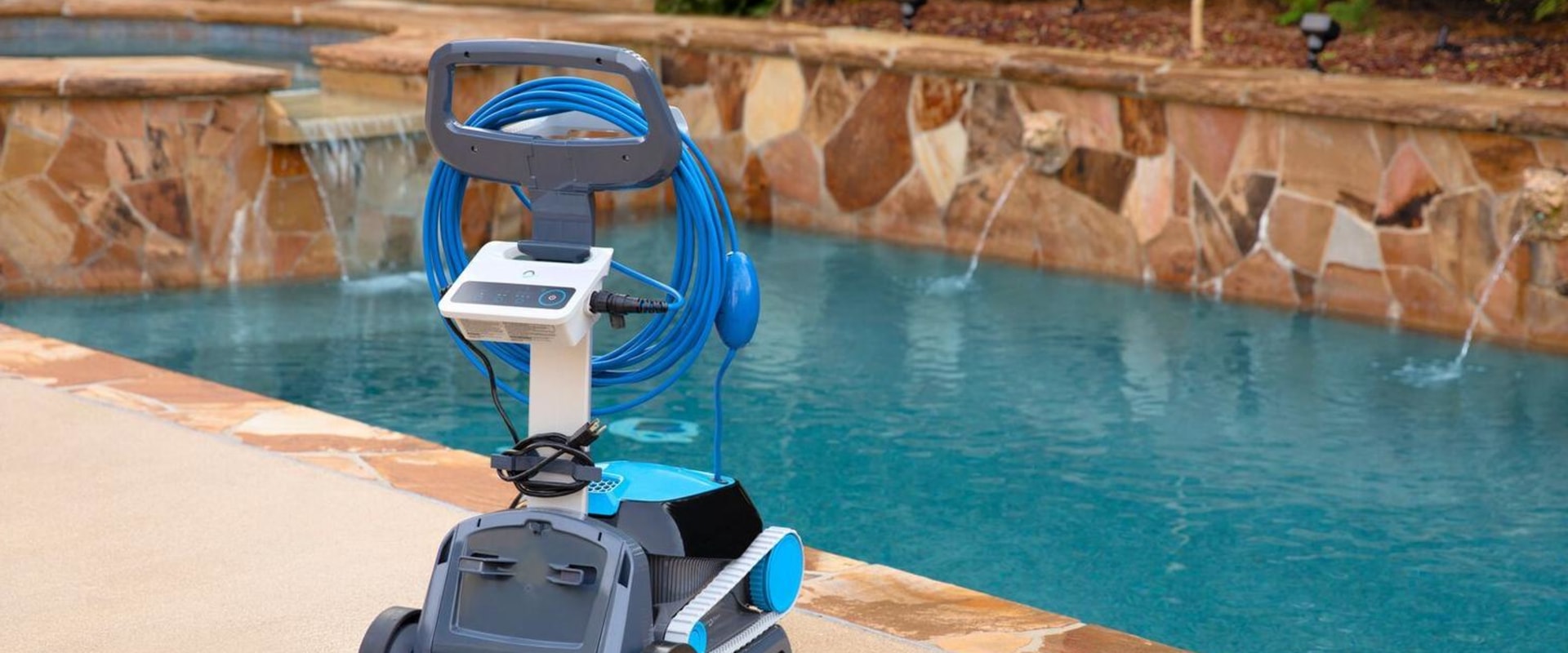
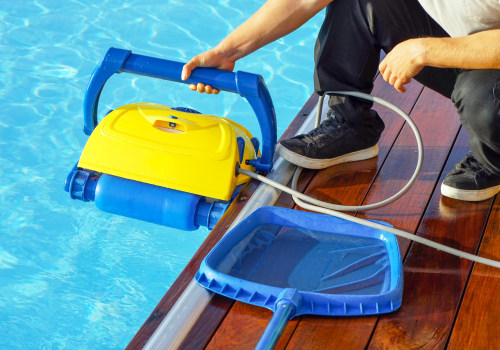
When it comes to maintaining a clean and inviting swimming pool, pool cleaners play a crucial role. These devices are designed to automate the labor-intensive task of cleaning, allowing pool owners to enjoy their pools without the constant worry of debris accumulation. Understanding the different types of pool cleaners available is essential for selecting the right one for your needs and ensuring optimal performance. There are three primary categories of pool cleaners: robotic cleaners , suction-side cleaners , and pressure-side cleaners. Each type operates on distinct principles and offers unique advantages.
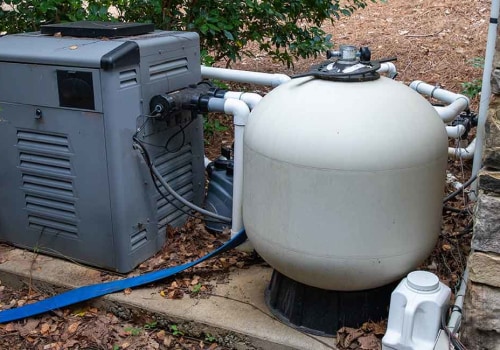
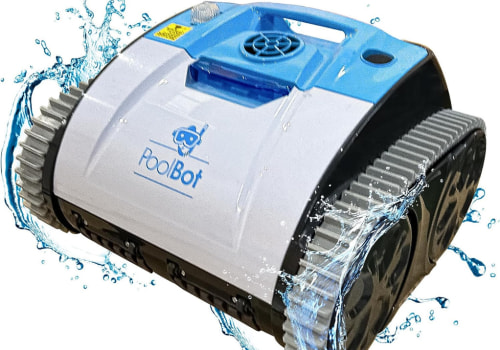
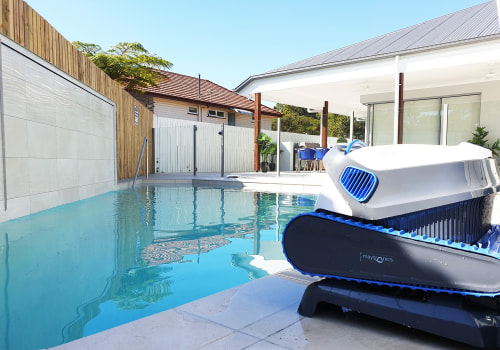
Robotic cleaners are self-contained units that use advanced technology to navigate the pool, scrubbing surfaces and filtering debris independently. They are known for their efficiency and ability to clean all areas of the pool, including walls and steps. Suction-side cleaners, on the other hand, rely on the pool's existing filtration system to create suction that pulls in dirt and debris. These cleaners are typically more affordable but may require more frequent maintenance since they depend on the pool's pump to function effectively. Lastly, pressure-side cleaners utilize water pressure from the pool's return jets to propel themselves around the pool while collecting debris in a separate bag or canister.
This type is often praised for its ability to handle larger debris, such as leaves and twigs. Understanding how these different types of pool cleaners work is vital for effective pool maintenance. Each cleaner has its own set of features and capabilities that can significantly impact your cleaning routine. By choosing the right type of cleaner and ensuring proper maintenance, you can keep your pool sparkling clean and ready for enjoyment all season long.
The Risks of Neglecting Your Pool Robot
Leaving your pool robot submerged in water for extended periods can lead to a variety of risks that compromise its functionality and longevity. Understanding these risks is essential for any pool owner who wants to maintain their investment in a pool cleaner.Damage from UV Rays
One of the most significant threats to your pool robot is the damaging effects of ultraviolet (UV) rays from the sun.
Prolonged exposure can cause:
- Fading: The vibrant colors of your pool cleaner can diminish, making it look worn and less appealing.
- Deterioration: UV rays can weaken the structural integrity of rubber and plastic components, leading to cracks and breaks.
- Heat Damage: Excessive heat can warp parts, affecting the overall performance of the cleaner.
Chemical Exposure
The chemicals used to maintain pool water, such as chlorine and algaecides, can also pose a risk to your robotic cleaner. When left in the water, these chemicals can:
- Corrode Components: Prolonged contact with harsh chemicals can lead to corrosion of metal parts and degradation of rubber seals.
- Affect Performance: Chemical buildup can clog filters and impair the cleaning efficiency of your robot.
- Shorten Lifespan: Continuous exposure to these chemicals can significantly reduce the lifespan of your pool cleaner.
Physical Debris
Another risk associated with leaving your pool robot in the water is damage from physical debris. Items such as leaves, twigs, or even larger objects can:
- Cause Mechanical Damage: Debris can get caught in moving parts, leading to jams or breakage.
- Create Scratches: Sharp objects can scratch the surface of your cleaner, affecting its appearance and functionality.
- Introduce Contaminants: Organic matter can lead to algae growth on your robot, making it less effective during cleaning cycles.
The Importance of Regular Maintenance for Pool Robots
Regular maintenance of your pool robot is crucial for ensuring its longevity and optimal performance.By adhering to a consistent maintenance routine, you can significantly enhance the efficiency of your pool cleaners and prevent costly repairs down the line. Here are some essential maintenance tasks that every pool owner should incorporate into their routine:
- Remove Debris After Each Use: After your pool robot has completed its cleaning cycle, it’s important to remove any debris that may have accumulated on or around the unit. This includes leaves, twigs, and dirt that can clog the filters or impede the robot's movement.
- Rinse Thoroughly: Rinse your pool cleaner with fresh water after each use. This helps to eliminate any residual chemicals or dirt that could corrode parts over time.
Pay special attention to the wheels and brushes, as these components are critical for effective cleaning.
- Check and Clean Filters: The filters in your pool robot play a vital role in capturing dirt and debris. Regularly check the filters for clogs and clean them according to the manufacturer’s instructions. A clean filter ensures that your robot operates efficiently and maintains suction power.
- Inspect Cables and Hoses: Examine the cables and hoses for any signs of wear or damage. Look for fraying, kinks, or tangles that could affect performance.
If you notice any issues, consider replacing these components to avoid further damage.
- Store Properly: When not in use, store your pool robot in a cool, dry place away from direct sunlight. This will help protect it from UV damage and prolong its lifespan.
- Enhance Efficiency: A well-maintained pool robot operates more efficiently, ensuring that your pool remains clean with less energy consumption.
- Extend Lifespan: Regular care can significantly extend the lifespan of your equipment, allowing you to enjoy a cleaner pool for years without needing costly replacements.
- Improve Water Quality: A properly functioning pool cleaner helps maintain balanced water chemistry by effectively removing debris that can contribute to algae growth and other water quality issues.
Best Practices for Storing Your Pool Robot
Proper storage of your pool robot is essential to ensure its longevity and optimal performance.Here are some best practices to follow when storing your pool cleaner:
- Remove After Each Use: Always take your pool robot out of the water after each cleaning cycle. Leaving it submerged can lead to damage from chemicals and prolonged exposure to sunlight.
- Rinse Thoroughly: After removing the robot, rinse it with fresh water to eliminate any chlorine, dirt, or debris that may have accumulated during its operation. This simple step can prevent corrosion and buildup that could impair its functionality.
- Dry Completely: Before storing your pool cleaner, ensure it is completely dry. Moisture can lead to mold and mildew growth, which can damage the internal components of the robot.
- Choose the Right Storage Location: Store your pool robot in a cool, dry place away from direct sunlight.
A shaded area will help protect it from UV rays that can cause fading and deterioration of plastic parts.
- Use a Storage Container: Consider investing in a dedicated storage bin or trunk for your pool robot. This not only keeps it protected from environmental factors but also organizes your pool cleaning supplies in one convenient location.
- Avoid Extreme Temperatures: Ensure that the storage area does not experience extreme heat or cold, as these conditions can adversely affect the battery and other components of your pool cleaner.
- Check Cables and Hoses: Inspect the cables and hoses for any signs of wear or damage before storing. Properly coil them to avoid kinks or tangles that could lead to future issues.
Common Mistakes Pool Owners Make with Their Robots
When it comes to maintaining a clean and inviting pool, robotic pool cleaners can be a game changer.However, many pool owners inadvertently make mistakes that can hinder the performance and longevity of these valuable devices. Understanding these common pitfalls is essential for ensuring your pool cleaner operates efficiently and effectively.
- Neglecting Regular Cleaning: One of the most frequent errors is failing to clean the robot itself after each use. Debris, dirt, and algae can accumulate in the filters and brushes, reducing the cleaner's efficiency. Make it a habit to rinse your robot thoroughly with fresh water after every cleaning session.
- Improper Storage: Leaving your pool robot in the water or exposed to harsh sunlight can lead to significant damage over time.
UV rays can degrade plastic components, while prolonged exposure to chlorine can affect rubber parts. Always remove your cleaner from the pool and store it in a shaded, dry area.
- Ignoring Cable Management: The cable of your robotic cleaner is crucial for its operation. Many owners neglect to untangle or properly store the cable after use, leading to kinks or damage. Ensure that you carefully wind the cable and store it separately to prevent wear and tear.
- Overlooking Software Updates: Some advanced robotic cleaners come with software that may require updates for optimal performance.
Failing to keep the software current can result in inefficient cleaning patterns or missed features. Regularly check for updates from the manufacturer.
- Using Incompatible Chemicals: The type of chemicals used in your pool can significantly impact your robotic cleaner's performance. Avoid using harsh chemicals that are not recommended by the manufacturer, as they can corrode parts and lead to malfunctions.
- Not Following Manufacturer Guidelines: Each robotic pool cleaner comes with specific instructions regarding usage, maintenance, and storage. Ignoring these guidelines can lead to premature wear or even void warranties.
Always refer to the user manual for best practices.
Consulting Professionals: When and Why It Matters
When it comes to maintaining your pool robot, there are instances where seeking the expertise of a professional can be invaluable. Understanding when to consult a pool professional can save you time, money, and ensure that your pool cleaners operate at peak performance.Identifying Complex Issues
While routine maintenance can often be handled by the pool owner, certain complex issues may arise that require professional intervention. For example:
- Electrical Problems: If your robotic cleaner is not functioning as expected, it could be due to electrical issues.
Professionals can diagnose problems with the motor or wiring that may not be apparent to the average user.
- Software Updates: Many modern pool robots come equipped with advanced software that may require updates or troubleshooting. Professionals are equipped to handle these technical aspects efficiently.
- Severe Damage: If your cleaner has been damaged by debris or has suffered wear and tear beyond simple repairs, a professional can assess the situation and recommend the best course of action.
The Benefits of Professional Maintenance
Engaging a professional for regular maintenance offers several advantages:
- Expert Knowledge: Professionals have extensive training and experience with various models of pool cleaners. They can provide insights into specific maintenance needs based on the type of robot you own.
- Time-Saving: Regularly scheduled maintenance by a professional frees up your time, allowing you to enjoy your pool without the hassle of upkeep.
- Longer Lifespan: Consistent professional care can extend the lifespan of your pool robot, ensuring it remains efficient and effective for years to come.
When to Seek Expert Advice
If you notice any unusual behavior from your pool cleaner—such as erratic movements, failure to pick up debris, or strange noises—it’s wise to consult a professional. Additionally, if you’re unsure about how to perform specific maintenance tasks or if you’re considering upgrading to a more advanced model, expert advice can guide you in making informed decisions. In conclusion, while many aspects of pool robot maintenance can be managed independently, recognizing when to consult professionals is crucial.
Their expertise not only helps in resolving complex issues but also enhances the overall performance and longevity of your pool cleaners.
Conclusion: Protecting Your Investment in Pool Cleaners
In summary, the significance of proper maintenance and storage for your pool cleaners cannot be overstated. By taking the time to care for your robotic pool cleaner, you not only enhance its performance but also extend its lifespan, ensuring that it continues to serve you effectively for years to come. Throughout this article, we have explored various aspects of maintaining and storing your pool robot. Here are the key takeaways:- Regular Removal: Always remove your pool cleaner from the water after each use. This simple step prevents unnecessary exposure to harmful chemicals and UV rays.
- Thorough Rinsing: Rinse your cleaner with fresh water after every use to eliminate any residual chemicals or debris that could cause damage over time.
- Proper Storage: Store your pool robot in a cool, shaded area when not in use.
Consider using a storage bin or trunk that protects it from sunlight and environmental elements.
- Filter Maintenance: Regularly empty and clean the filter to ensure optimal performance during each cleaning cycle.
- Consult Professionals: If you own a high-end model or are uncertain about maintenance practices, seeking professional advice can provide valuable insights tailored to your specific cleaner.