Clear guidance for cleaner pools.
Maximizing Energy Efficiency for Your Swimming Pool: Expert Tips and Insights
Discover expert tips to enhance energy efficiency for your swimming pool, focusing on pool cleaners, pumps, and heating options.
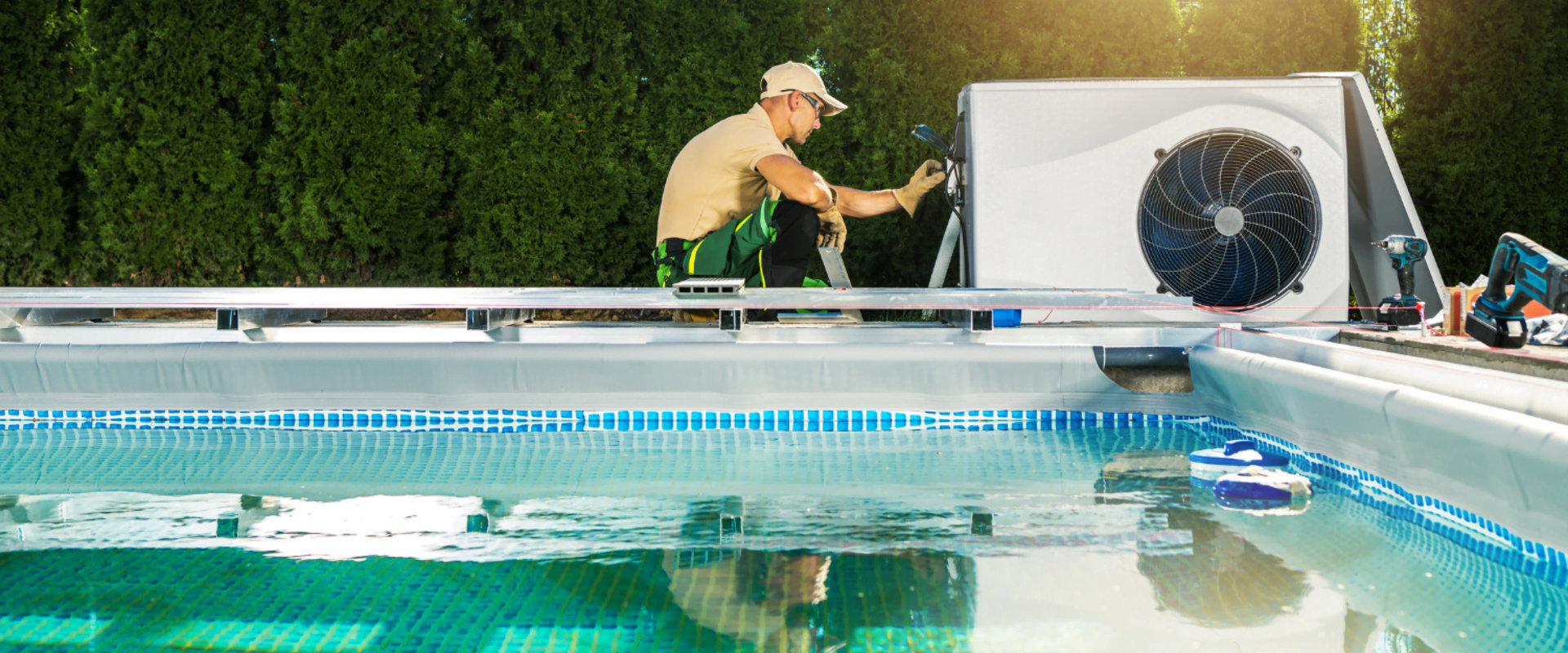
Swimming pools are a source of joy and relaxation for many homeowners, but they can also be a significant drain on energy resources. Understanding the energy consumption associated with your pool is crucial for managing costs and enhancing energy efficiency. From the moment you fill your pool to the daily maintenance routines, every aspect contributes to your overall energy bill. By gaining insight into how various components work together, you can make informed decisions that not only save you money but also reduce your environmental footprint. One of the primary contributors to energy consumption in swimming pools is the equipment used for maintenance and operation.
This includes pool cleaners, pumps, heaters, and lighting systems. Each of these elements plays a vital role in keeping your pool clean and comfortable, but they can also lead to unexpectedly high electricity costs if not managed properly. For instance, while automatic pool cleaners can save time and effort, their energy usage can vary significantly based on their design and efficiency ratings. Understanding these differences is essential for selecting the right equipment that aligns with your energy-saving goals. Moreover, the way you operate your pool can have a profound impact on its energy consumption.
Factors such as the duration of pump operation, heater settings, and even the type of cleaning system you choose can either contribute to or mitigate high energy costs. By being proactive about these choices, you can create a more sustainable swimming environment that maximizes enjoyment while minimizing expenses. In this article, we will explore various strategies to enhance your pool's energy efficiency , focusing on practical tips that homeowners can implement immediately.
The Role of Pool Cleaners in Energy Efficiency
When it comes to maintaining a swimming pool, the choice of pool cleaners plays a crucial role in not only keeping the water clean but also in enhancing energy efficiency. Understanding the different types of pool cleaners available can help homeowners make informed decisions that lead to significant energy savings. There are primarily two categories of pool cleaners: manual and automated.Each type has its own advantages and disadvantages regarding energy consumption and cleaning effectiveness.
Manual Pool Cleaners
Manual pool cleaners require physical effort to operate. These devices typically consist of a vacuum head attached to a pole, which is used to scrub the pool's surfaces and remove debris. While they are often less expensive upfront, manual cleaners can be labor-intensive and time-consuming. This means that homeowners may spend more time cleaning their pools, which can lead to increased energy use if they run the pool pump longer than necessary during the cleaning process.Automated Pool Cleaners
On the other hand, automated pool cleaners offer a more efficient solution for maintaining pool cleanliness.These devices can be categorized into three main types:
- Suction-side cleaners: These cleaners attach to the pool's skimmer and use the suction from the pump to collect debris. They are generally energy-efficient as they utilize existing pump power but may require the pump to run longer than necessary.
- Pressure-side cleaners: These operate using water pressure from the return jets, collecting debris in a separate bag. They tend to be more effective at cleaning larger debris but may require a booster pump, which can increase energy consumption.
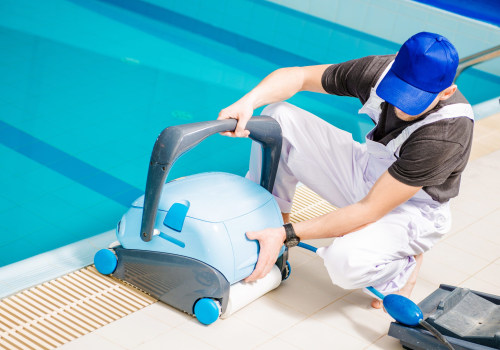
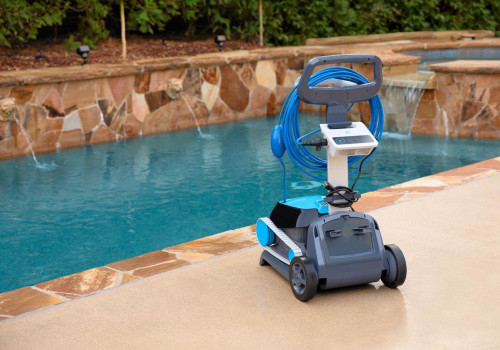
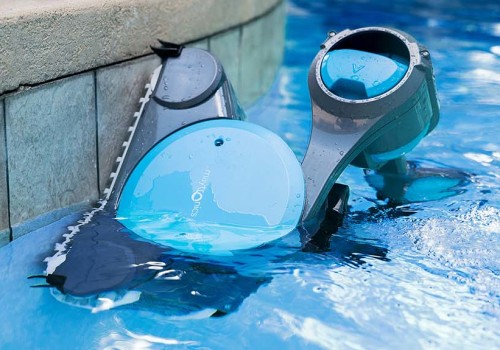
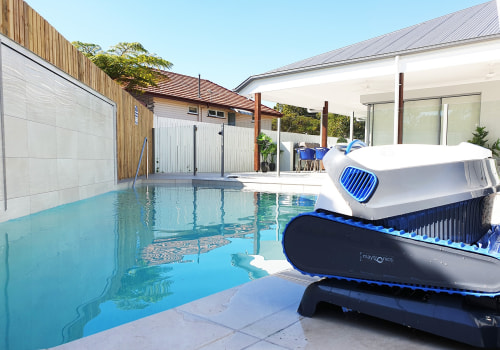
- Robotic cleaners: These are self-contained units that operate independently of the pool's filtration system. They are highly efficient, using less energy than traditional suction or pressure-side cleaners.
Many robotic models come with programmable features that allow them to clean on a schedule, optimizing energy use by running during off-peak hours.
Choosing the Right Pool Pump for Optimal Performance
When it comes to maintaining an energy-efficient swimming pool, selecting the right pool pump is crucial.The pool pump is responsible for circulating water through the filtration system, ensuring that your pool remains clean and safe for swimming. However, not all pumps are created equal, and choosing the wrong one can lead to unnecessary energy consumption and increased costs.
Understanding Pool Pump Selection
One of the first steps in selecting a pool pump is understanding the size of your pool. The pump must be appropriately sized to handle the volume of water in your pool. A pump that is too small will struggle to circulate water effectively, leading to poor filtration and potentially unhealthy swimming conditions.
Conversely, a pump that is too large will waste energy and increase your electricity bill.
To determine the right size, you can calculate the flow rate needed for your pool. This is typically measured in gallons per minute (GPM). A general rule of thumb is that you should aim to turn over the entire volume of your pool at least once every 8 hours. For example, if you have a 20,000-gallon pool, you would need a pump that can provide a flow rate of about 42 GPM.
The Benefits of Energy-Efficient Pool Pumps
Energy-efficient pool pumps are designed to use less electricity while still providing effective water circulation.
These pumps often feature advanced technology that allows them to operate at lower speeds without sacrificing performance. By investing in an energy-efficient model, you can significantly reduce your energy costs over time.
Variable Speed Pumps: A Smart Choice
Among the most popular options for energy-efficient pool pumps are variable speed pumps. Unlike traditional single-speed pumps that operate at a constant speed, variable speed pumps allow you to adjust the flow rate based on your specific needs. This flexibility means you can run the pump at lower speeds during off-peak hours or when less filtration is required, which can lead to substantial savings on your energy bill.
Additionally, variable speed pumps tend to have longer lifespans compared to their single-speed counterparts due to reduced wear and tear from operating at lower speeds.
Many homeowners report savings of up to 80% on their energy costs after switching to a variable speed pump.
Conclusion
Choosing the right pool pump is essential for maximizing energy efficiency and maintaining optimal performance in your swimming pool. By selecting an appropriately sized pump and considering energy-efficient options like variable speed pumps, you can enjoy a clean and inviting pool while keeping your electricity costs in check.
Heating Your Pool Efficiently: Options and Strategies
When it comes to heating your swimming pool, selecting the right system can significantly impact both your comfort and your energy bills. Understanding the various pool heating options available is essential for making an informed decision that aligns with your lifestyle and environmental considerations.1.Traditional Gas Heaters
Gas heaters have long been a popular choice for pool heating due to their ability to quickly raise water temperatures. They operate on natural gas or propane, making them effective for immediate heating needs.
However, while they provide rapid heating, they can be costly to operate over time. The efficiency of gas heaters is typically measured in terms of their thermal efficiency, which can range from 80% to 95%. This means that a significant portion of the energy consumed is converted into heat, but the ongoing fuel costs can add up quickly.
2.Heat Pumps: A Modern Alternative
Heat pumps are becoming increasingly popular as a more energy-efficient alternative to traditional gas heaters. They work by extracting heat from the air (even in cooler temperatures) and transferring it to the pool water.
This process is much more energy-efficient, as heat pumps can produce three to five times more energy than they consume. For instance, if a heat pump uses 1 unit of electricity, it can generate 3-5 units of heat energy for your pool.
While heat pumps have a higher upfront cost compared to gas heaters, their lower operational costs often make them a more economical choice in the long run, especially in warmer climates where they can operate efficiently year-round.
3.Choosing the Right Heating Method
Your choice between gas heaters and heat pumps should depend on several factors:
- Climate: If you live in a region with mild winters, a heat pump may be ideal as it can efficiently maintain comfortable water temperatures without excessive energy use.
- Usage Patterns: For pools that are used sporadically or only during specific seasons, gas heaters may be more suitable due to their quick heating capabilities.
- Budget: Consider both initial installation costs and long-term operational expenses when evaluating your options.
Maintaining Your Pool for Maximum Efficiency
To ensure your swimming pool operates at peak energy efficiency, regular maintenance is essential. Neglecting this aspect can lead to increased energy costs and a less enjoyable swimming experience. Here are some key maintenance tips to help you keep your pool in top shape while maximizing energy savings.Regular Cleaning Routines
One of the most critical aspects of pool maintenance is establishing a consistent cleaning routine.Debris such as leaves, dirt, and insects can accumulate in your pool, leading to clogged filters and inefficient circulation. Here are some cleaning tasks to incorporate into your routine:
- Skimming: Use a skimmer net to remove floating debris daily.
- Brushing: Brush the walls and floor of your pool weekly to prevent algae buildup.
- Vacuuming: Vacuum the pool at least once a week to remove settled dirt and debris.
- Filter Maintenance: Clean or replace your pool filter as recommended by the manufacturer to ensure optimal performance.
Chemical Balance
Maintaining the correct chemical balance in your pool is crucial for both safety and efficiency. An unbalanced pool can lead to algae growth, which not only affects water clarity but also forces your pump and filter to work harder, increasing energy consumption. Regularly test your pool water for:- pH Levels: Aim for a pH level between 7.2 and 7.8.
- Chlorine Levels: Maintain chlorine levels between 1-3 ppm (parts per million).
- Alkalinity: Keep total alkalinity between 80-120 ppm.
This not only helps in keeping the water safe for swimming but also reduces the workload on your filtration system.
The Cost of Neglect
Failing to maintain your pool can lead to significant energy waste. For instance, if your pump has to work overtime due to poor water quality or a clogged filter, it will consume more electricity than necessary. Additionally, algae growth can lead to murky water, prompting you to run your pump longer than needed for filtration. By investing time in regular maintenance, you can avoid these pitfalls and enjoy a cleaner, more efficient swimming environment. In conclusion, maintaining your pool through regular cleaning and proper chemical balance is vital for maximizing energy efficiency.By following these tips, you can enjoy a sparkling clean pool while keeping energy costs in check.
Utilizing Technology for Energy Savings
In today's world, technology plays a pivotal role in enhancing the energy efficiency of swimming pools. By integrating smart pool technology, homeowners can significantly reduce their energy consumption while enjoying a pristine swimming environment. These advancements not only streamline maintenance tasks but also optimize energy usage, leading to substantial savings on utility bills. One of the most notable innovations in this realm is the development of automated systems. These systems can manage various aspects of pool maintenance, including cleaning, heating, and chemical balancing.For instance, automated pool cleaners can operate on a schedule, ensuring that your pool remains clean without requiring constant manual intervention. This not only saves time but also minimizes the energy used by traditional cleaning methods. Moreover, smart heaters equipped with advanced sensors can adjust their operation based on real-time temperature readings. This means that instead of running continuously, they can activate only when necessary, thereby conserving energy. Homeowners can set desired temperature ranges through mobile apps, allowing for remote control and monitoring. Another essential component of maximizing energy efficiency is the use of energy monitoring tools.
These devices provide insights into your pool's energy consumption patterns, helping you identify areas where you can cut back. For example, some systems can track the energy usage of your pool pump and heater separately, allowing you to see which component is consuming the most power. With this information at hand, you can make informed decisions about when to run these devices or whether to upgrade to more efficient models. Additionally, many modern pool management systems offer integration with home automation platforms. This means that your pool's operation can be synchronized with other smart home devices.
For instance, you could program your pool heater to turn off when your home’s air conditioning system kicks in during peak hours, further reducing energy costs. In conclusion, leveraging technology in your swimming pool not only enhances convenience but also plays a crucial role in promoting energy efficiency. By investing in smart pool technology, automated systems, and energy monitoring tools, homeowners can enjoy their pools while minimizing their environmental impact and reducing monthly expenses.
The Impact of Pool Location and Design on Energy Use
The location and design of your swimming pool play a crucial role in determining its energy efficiency. Understanding how these factors influence energy consumption can help you make informed decisions that not only enhance your pool experience but also reduce your utility bills.Sun Exposure
One of the most significant factors affecting a pool's energy use is its exposure to sunlight. Pools that receive ample sunlight throughout the day tend to retain heat more effectively, which can reduce the need for additional heating.
If your pool is situated in a sunny area, you may find that you can maintain a comfortable temperature with less energy input.
Conversely, pools located in shaded areas—due to trees, buildings, or other structures—often require more energy to heat. The shade can significantly lower the water temperature, leading to increased reliance on heaters. If you are considering installing a pool or redesigning an existing one, take into account the sun's path and how it will affect your pool's temperature throughout the day.
Landscaping Considerations
Landscaping around your pool can also impact its energy efficiency. Strategically placed trees and shrubs can provide shade during the hottest parts of the day, helping to keep the water cooler and reducing evaporation rates.
However, be cautious; too much shade can lead to excessive cooling, necessitating more heating.
Additionally, using windbreaks such as fences or hedges can help minimize heat loss from wind exposure. Wind can increase evaporation rates and cool the water surface, leading to higher heating costs. Therefore, consider incorporating landscaping elements that balance shade and wind protection while enhancing the aesthetic appeal of your outdoor space.
Pool Design Features
The design of your pool itself can also influence energy consumption. For instance, pools with irregular shapes or larger surface areas may experience higher evaporation rates compared to more compact designs.
If you are in a region with high temperatures and low humidity, opting for a smaller or more streamlined pool design could help reduce energy costs associated with heating and maintenance. Moreover, features such as automatic covers can significantly enhance energy efficiency by reducing heat loss when the pool is not in use. These covers not only help maintain water temperature but also minimize debris accumulation, which can lead to lower cleaning costs and less frequent filtration cycles. In summary, when planning your swimming pool's location and design, consider how sun exposure, landscaping, and design features will impact its energy efficiency. By making thoughtful choices in these areas, you can enjoy a comfortable swimming environment while keeping energy costs in check.
Frequently Asked Questions About Pool Energy Efficiency
When it comes to maximizing energy efficiency for your swimming pool, many homeowners have questions. Below are some of the most frequently asked questions regarding pool energy efficiency, particularly focusing on pool cleaners and tips for reducing overall pool costs.What are the most energy-efficient types of pool cleaners?
Pool cleaners come in various types, each with its own energy consumption levels.The three main types are:
- Robotic Pool Cleaners: These are among the most energy-efficient options available. They operate independently and use minimal electricity, often equipped with smart technology to optimize cleaning patterns.
- Pressure-Side Cleaners: These cleaners use the pool's existing pump to operate. While they can be effective, they may increase your energy bill due to the additional strain on your pump.
- Suction-Side Cleaners: Similar to pressure-side cleaners, these rely on the pool's filtration system. They can be less efficient than robotic cleaners but are generally more affordable.
How can I reduce my pool's energy costs?
Reducing your pool's energy costs involves a combination of smart choices and regular maintenance.Here are some effective tips:
- Invest in a Variable-Speed Pump: Unlike single-speed pumps, variable-speed pumps allow you to adjust the flow rate, leading to significant energy savings.
- Use a Pool Cover: A cover can help retain heat and reduce evaporation, which means less need for heating and chemical balancing.
- Optimize Your Cleaning Schedule: Run your pool cleaner during off-peak hours when electricity rates may be lower.
- Regular Maintenance: Keeping your pool clean and well-maintained ensures that all systems operate efficiently, reducing unnecessary energy consumption.
What role does pool heating play in energy efficiency?
The type of heating system you choose significantly impacts your pool's energy efficiency. Heat pumps are generally more efficient than gas heaters, as they transfer heat rather than generate it. Additionally, lowering the temperature setting by just a few degrees can lead to substantial savings on your energy bill. By addressing these common questions and implementing the suggested strategies, you can enhance your swimming pool's energy efficiency while enjoying all the benefits it has to offer.Conclusion: Embracing Energy Efficiency for a Sustainable Pool Experience
In conclusion, embracing energy efficiency in your swimming pool not only contributes to a more sustainable environment but also leads to significant cost savings over time. As we have explored, the choices you make regarding pool cleaners, heating systems, and maintenance practices play a crucial role in determining your pool's energy consumption. To recap, here are some essential strategies for maximizing energy efficiency:- Choose the Right Pool Cleaner: Selecting an energy-efficient pool cleaner can drastically reduce electricity usage.
Robotic cleaners, for instance, often consume less power compared to traditional suction or pressure cleaners.
- Optimize Your Pool Pump: Invest in a variable-speed pump that can adjust its flow rate based on your pool's needs. This not only enhances filtration but also minimizes energy consumption.
- Maintain Proper Water Chemistry: Regularly testing and balancing your pool's chemicals ensures that your filtration system operates efficiently, reducing the need for excessive cleaning cycles.
- Utilize Solar Covers: Using a solar cover can help retain heat and reduce evaporation, which means less energy is required to maintain your pool's temperature.
- Regular Maintenance: Keeping your pool clean and well-maintained prevents unnecessary strain on your equipment, ensuring it operates at peak efficiency.
With the right approach, your swimming pool can be a source of joy without compromising on energy efficiency or incurring exorbitant costs. Embrace these practices today for a more sustainable and enjoyable pool experience tomorrow.