Clear guidance for cleaner pools.
Expert Tips for Extending the Lifespan of Your Robotic Pool Cleaner
Discover expert tips to extend the lifespan of your robotic pool cleaner and keep your pool sparkling clean with minimal effort.
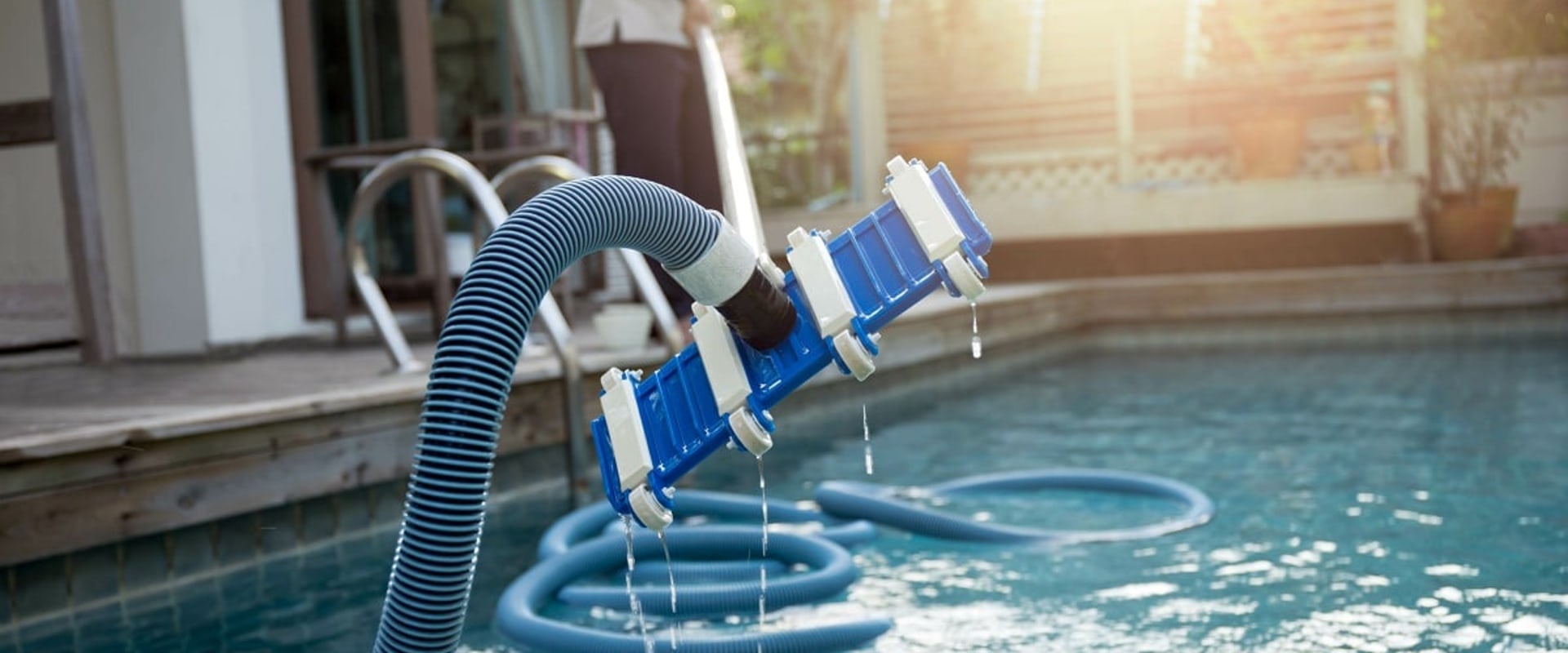
Robotic pool cleaners have revolutionized the way pool owners maintain their swimming environments. These automated devices are designed to take the hassle out of pool cleaning, allowing you to enjoy your pool without the constant worry of debris and dirt accumulation. But what exactly are robotic pool cleaners? In essence, they are self-operating machines equipped with advanced technology that enables them to navigate through your pool, scrubbing surfaces and collecting debris with minimal human intervention. The benefits of using robotic pool cleaners are numerous. First and foremost, they save you time and effort.
Instead of spending hours manually cleaning your pool, a robotic cleaner can do the job in a fraction of the time, often while you relax or attend to other tasks. Additionally, these devices are designed to be energy-efficient, consuming less power than traditional suction or pressure cleaners. This not only helps in reducing your electricity bills but also contributes to a more eco-friendly approach to pool maintenance. So, how do robotic pool cleaners work? Most models operate using a combination of brushes, filters, and powerful suction mechanisms. They are equipped with sensors that allow them to detect obstacles and navigate around them, ensuring comprehensive coverage of your pool's surfaces.
Some advanced models even feature smart technology that enables them to map out your pool's layout for optimal cleaning efficiency. By understanding the mechanics behind these devices, you can appreciate their value even more and recognize the importance of proper maintenance to extend their lifespan.
Importance of Regular Maintenance
Regular maintenance of your robotic pool cleaner is not just a recommendation; it is a necessity for ensuring optimal performance and longevity. Just like any mechanical device, these cleaners require consistent care to function effectively and efficiently. Neglecting maintenance can lead to a host of problems that may compromise the cleaner's ability to keep your pool pristine.Why Maintain Your Pool Cleaner?
- Performance Optimization: A well-maintained robotic pool cleaner operates at peak efficiency.
Regularly cleaning the filters, brushes, and tracks ensures that the device can navigate your pool without obstruction, picking up debris effectively.
- Preventing Damage: Over time, dirt and debris can accumulate in various parts of the cleaner, leading to wear and tear. By routinely checking and cleaning these components, you can prevent costly repairs or replacements.
- Extending Lifespan: With proper care, your robotic pool cleaner can last significantly longer than its expected lifespan. Regular maintenance can add years to its functionality, allowing you to enjoy a clean pool without frequent replacements.
Benefits of Regular Maintenance
- Cost Savings: Investing time in regular maintenance can save you money in the long run. By preventing major issues through routine checks, you avoid expensive repairs or the need for a new unit altogether.
- Enhanced Cleaning Efficiency: A cleaner that is regularly maintained will perform better, ensuring that your pool remains free from algae and debris.
This not only improves the aesthetic appeal of your pool but also contributes to a healthier swimming environment.
- Increased Reliability: Knowing that your robotic pool cleaner is in good working order provides peace of mind. You can rely on it to do its job effectively, especially during peak swimming seasons when cleanliness is paramount.
Key Components to Maintain
To ensure your robotic pool cleaner operates at peak efficiency, it’s essential to focus on its key components.Each part plays a vital role in the overall performance and longevity of the device. Here’s a breakdown of the main components that require regular maintenance:
- Filters: The filters are crucial for trapping dirt, debris, and contaminants. Regularly check and clean the filters to prevent clogs that can hinder performance. Most filters can be rinsed with a hose to remove debris, but be sure to follow the manufacturer’s instructions for deep cleaning or replacement.
Aim to clean the filters after every use or at least once a week during peak swimming season.
- Brushes: The brushes are responsible for scrubbing the pool surfaces. Over time, they can accumulate dirt and algae, reducing their effectiveness. Inspect the brushes regularly for wear and tear. If they appear worn down or damaged, replace them promptly.
Cleaning the brushes with a soft brush or cloth can help maintain their scrubbing power.
- Wheels: The wheels allow your robotic pool cleaner to navigate smoothly across various surfaces. Check for any debris caught in the wheels or axles, as this can impede movement. Clean the wheels with a damp cloth and ensure they rotate freely. If you notice any signs of damage or excessive wear, consider replacing them to maintain optimal mobility.
- Cables: The power cable is essential for providing energy to your robotic cleaner.
Inspect it regularly for any signs of fraying or damage. Avoid tangling the cable during operation, as this can lead to premature wear. Store the cable properly when not in use to prevent kinks and damage.
- Hoses: If your robotic pool cleaner uses hoses, ensure they are free from blockages and leaks. Rinse them out periodically to remove any buildup of dirt or algae.
Check for cracks or weak spots that could lead to leaks, and replace hoses as necessary.
Optimal Usage Practices
To ensure that your robotic pool cleaner operates efficiently and lasts as long as possible, it is essential to adopt optimal usage practices. These practices not only enhance the performance of your cleaner but also contribute to its longevity.Frequency of Use
One of the most critical factors in extending the lifespan of your robotic pool cleaner is how often you use it. Regular cleaning sessions are recommended, especially during peak swimming seasons when debris accumulation is at its highest.
Aim to run your robotic cleaner at least once a week. This frequency helps prevent the buildup of dirt and algae, which can strain the machine's components over time.
Duration in Water
While robotic pool cleaners are designed to operate in water, it is advisable to limit the duration they spend submerged when not in use. Leaving your cleaner in the pool for extended periods can expose it to harsh chemicals and sunlight, leading to potential damage. After each cleaning cycle, remove the cleaner from the water and store it in a shaded, dry area.
This practice not only protects the unit but also helps maintain its performance.
Operational Settings
Most modern robotic pool cleaners come equipped with various operational settings tailored for different cleaning needs. Familiarize yourself with these settings and adjust them based on your pool's condition. For instance, if your pool has accumulated a significant amount of debris after a storm, consider using a more intensive cleaning mode. Conversely, for routine maintenance, a standard setting will suffice.
Utilizing the appropriate settings ensures that your cleaner operates efficiently without unnecessary wear and tear.
Pre-Cleaning Preparation
- Remove Large Debris: Before deploying your robotic cleaner, manually remove larger items such as leaves or branches. This step prevents clogging and allows the cleaner to focus on smaller particles.
- Check Water Levels: Ensure that your pool's water level is adequate for optimal operation. Insufficient water can lead to overheating and damage to the motor.
- Inspect Cables: Regularly check the power cable for any signs of wear or damage. A frayed cable can pose safety risks and affect performance.
Proper usage not only saves you money on repairs but also ensures that your pool remains clean and inviting throughout the swimming season.
Storage Tips for Longevity
Proper storage of your robotic pool cleaner is essential for maximizing its lifespan and ensuring it remains in optimal working condition. When not in use, following the right storage practices can prevent damage from environmental factors and prolong the life of your investment.1.Choose the Right Location
- Store your pool cleaner in a cool, dry place away from direct sunlight. Excessive heat can warp plastic components, while moisture can lead to corrosion and electrical issues.
- A garage or shed is often ideal, as these spaces typically provide protection from the elements. Avoid areas that are prone to extreme temperatures or humidity.
2.Clean Before Storing
- Before putting your robotic pool cleaner away, ensure it is thoroughly cleaned.
Remove any debris, dirt, or algae that may have accumulated during use.
- Pay special attention to the filters, wheels, and brushes. Rinse them with fresh water to eliminate any chemicals or contaminants that could cause damage over time.
3.Disconnect Power Sources
- If your robotic pool cleaner is battery-operated, make sure to disconnect the battery or ensure it is fully charged before storage. This helps prevent battery degradation.
- For models with power cords, neatly coil the cord and avoid sharp bends that could damage the wiring.
4.Use Protective Covers
- If possible, invest in a protective cover specifically designed for your model. This can shield it from dust and potential scratches while stored.
- A cover also helps keep out pests that might find their way into your storage area.
5.Regular Checks During Storage
- Even when not in use, periodically check on your robotic pool cleaner.
Look for signs of wear or damage and ensure that it remains clean and dry.
- This proactive approach can help you catch any potential issues before they become significant problems.
Troubleshooting Common Issues
Robotic pool cleaners are designed to make pool maintenance easier, but like any technology, they can encounter issues from time to time. Understanding common problems and their solutions can help you keep your cleaner running smoothly and extend its lifespan.1.Cleaner Not Moving
If your robotic pool cleaner is not moving, the first step is to check the power supply. Ensure that the unit is properly plugged in and that the outlet is functioning.If the power supply is working, inspect the cleaner's drive belts and wheels for any obstructions or damage. Debris can often get lodged in the wheels, preventing movement. Clean any debris and check for wear on the belts; replacing them may be necessary if they appear frayed.
2.Incomplete Cleaning
Another common issue is when the cleaner fails to cover the entire pool area. This could be due to a few factors:- Filter Clogs: A clogged filter can restrict water flow, reducing cleaning efficiency.
Regularly clean or replace filters according to the manufacturer's recommendations.
- Navigation Issues: Some models use advanced navigation technology. If your cleaner seems to get stuck or misses spots, it may need recalibration or a software update. Refer to the user manual for instructions on how to reset or update your device.
- Pool Shape: Irregularly shaped pools may pose challenges for some cleaners. Consider adjusting the cleaning schedule or using a model specifically designed for complex pool shapes.
3.Poor Suction
Poor suction can significantly affect cleaning performance.Check for:
- Blocked Hoses: Inspect hoses for kinks or blockages that could impede water flow. Clear any obstructions and ensure hoses are properly connected.
- Dirty Filters: As mentioned earlier, dirty filters can lead to reduced suction power. Regular maintenance of filters is essential.
- Pump Issues: If your robotic cleaner has a built-in pump, ensure it is functioning correctly. Listen for unusual noises that may indicate a malfunction.
4.Error Codes
If your robotic pool cleaner displays error codes, consult the user manual for specific troubleshooting steps related to those codes.Common errors may indicate issues with sensors, motors, or other components that require attention. By addressing these common issues promptly and performing regular maintenance, you can ensure that your robotic pool cleaner operates efficiently and effectively, allowing you to enjoy a clean pool with minimal effort.
Choosing the Right Robotic Pool Cleaner for Longevity
When it comes to investing in a robotic pool cleaner, making the right choice is crucial for ensuring longevity and efficiency. With numerous options available on the market, understanding the key features that contribute to durability can help you select a model that not only meets your cleaning needs but also stands the test of time.1.Build Quality and Materials
The first aspect to consider is the build quality of the robotic pool cleaner. Look for models constructed from high-quality materials that can withstand exposure to water and pool chemicals.
Durable plastics
and corrosion-resistant components are essential for longevity.Additionally, check if the cleaner has reinforced parts, such as wheels and brushes, which are often the first to wear out.
2.Advanced Navigation Technology
Robotic pool cleaners equipped with advanced navigation systems can significantly enhance cleaning efficiency. Models featuring smart navigation use sensors to map your pool's layout, ensuring they cover every inch without getting stuck or missing spots. This not only improves cleaning performance but also reduces wear and tear on the unit.
3.Filter System
A high-quality filtration system is vital for maintaining a clean pool and prolonging the life of your robotic cleaner. Look for models with dual or multi-layer filters that can capture both fine debris and larger particles.
Easy-to-clean filters will also save you time and effort, allowing for regular maintenance without hassle.
4.Energy Efficiency
Energy-efficient models not only save you money on electricity bills but also tend to have longer-lasting components due to reduced strain on their motors. Check for energy ratings and consider cleaners that operate on low voltage while still delivering powerful suction.
5.Warranty and Customer Support
A robust warranty is a strong indicator of a manufacturer’s confidence in their product's durability. Look for models that offer at least a two-year warranty, as this often covers parts and labor for any defects or issues that may arise. Additionally, reliable customer support can be invaluable if you encounter problems or need assistance with maintenance.
6.User Reviews and Recommendations
Before making a purchase, take the time to read user reviews and expert recommendations.
Feedback from other pool owners can provide insights into the long-term performance of specific models, helping you make an informed decision. By focusing on these essential features when selecting a robotic pool cleaner, you can ensure that your investment will last longer while keeping your pool sparkling clean with minimal effort.
FAQs About Robotic Pool Cleaners Maintenance
Maintaining a robotic pool cleaner can raise several questions, especially for first-time users. Here are some of the most frequently asked questions regarding the upkeep and care of these essential devices.How often should I clean my robotic pool cleaner?
It is recommended to clean your robotic pool cleaner after every use. This includes removing debris from the filter, checking for tangled cords, and rinsing off any dirt or algae that may have accumulated on the unit. Regular cleaning helps maintain optimal performance and extends the lifespan of your cleaner.What maintenance tasks should I perform regularly?
- Filter Cleaning: Clean or replace the filter as per the manufacturer's instructions.
A clogged filter can reduce suction power and efficiency.
- Inspect Brushes: Check the brushes for wear and tear. Replace them if they appear worn out to ensure effective cleaning.
- Check Cables: Inspect the power cable for any signs of damage or fraying. A damaged cable can lead to operational issues.
- Storage: Store your robotic cleaner in a cool, dry place when not in use to prevent damage from pool chemicals or extreme temperatures.
Can I leave my robotic pool cleaner in the water?
While many robotic pool cleaners are designed to withstand prolonged exposure to water, it is advisable to remove them from the pool when not in use. Leaving them submerged for extended periods can lead to wear on components and may shorten their lifespan.What should I do if my robotic pool cleaner gets stuck?
If your cleaner gets stuck, first turn it off and remove it from the water.Check for any obstructions such as large debris or tangled cords. After clearing any blockages, restart the unit. If it continues to get stuck, consider adjusting its cleaning pattern or checking for mechanical issues.
How can I troubleshoot common issues?
If your robotic pool cleaner is not functioning properly, start by checking the power source and ensuring that it is plugged in correctly. Inspect the filter and brushes for clogs or damage.If problems persist, consult the user manual for troubleshooting tips specific to your model. By addressing these common concerns and following a regular maintenance routine, you can ensure that your robotic pool cleaner operates efficiently and lasts for many seasons to come.
Conclusion: Ensuring Your Robotic Pool Cleaner Lasts Longer
In conclusion, ensuring the longevity of your robotic pool cleaner is not just about the initial investment; it’s about the ongoing care and attention you provide. By implementing the expert tips discussed throughout this article, you can significantly enhance the lifespan of your pool cleaners and enjoy a consistently clean swimming environment. First and foremost, regular maintenance is essential. This includes cleaning the filters, inspecting the brushes, and checking for any debris that may hinder performance. A well-maintained cleaner operates more efficiently, reducing wear and tear on its components. Additionally, consider the frequency of use.While robotic pool cleaners are designed to handle regular cleaning tasks, overuse can lead to premature wear. It’s advisable to establish a cleaning schedule that aligns with your pool usage and environmental factors such as falling leaves or debris from nearby trees. Another critical aspect is proper storage. When not in use, store your robotic cleaner in a cool, dry place away from harsh chemicals and direct sunlight. This simple step can prevent damage to sensitive components and prolong its operational life. Moreover, be mindful of how long you leave your cleaner submerged in the water.
While these devices are built to withstand aquatic conditions, extended exposure can lead to issues such as corrosion or battery degradation. Aim to remove it from the pool when it’s not actively cleaning. Lastly, always refer to the manufacturer’s guidelines for specific maintenance tips tailored to your model. Each robotic pool cleaner may have unique requirements that can help maximize its lifespan. By following these strategies, you not only protect your investment but also ensure that your pool remains a refreshing oasis for years to come. A little effort in maintenance goes a long way in extending the life of your pool cleaners, allowing you to enjoy a sparkling clean pool with minimal hassle.